
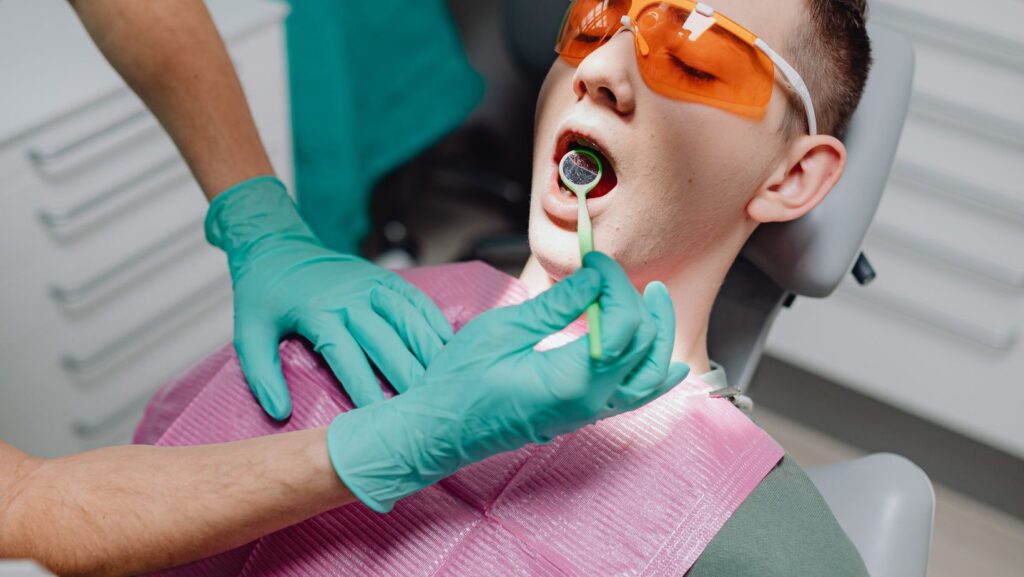
If dental visits make you anxious or you need a complex procedure, IV sedation can help you stay calm and comfortable throughout treatment. IV sedation lets your dentist control how relaxed you feel, often keeping you awake but drowsy so procedures go smoothly and with less stress.
You will learn how IV sedation works, who it suits, the safety steps your team will take, and what to expect before, during, and after the appointment. This information helps you decide if IV sedation fits your needs and prepares you for a safer, less stressful dental visit.
Understanding IV Sedation for Dental Procedures
IV sedation helps you stay calm and comfortable during dental care. It acts quickly, wears off faster than general anesthesia, and lets your dentist adjust levels of sedation during treatment.
What Is IV Sedation?
IV sedation means a sedative medicine goes directly into your vein through an IV. You remain awake or in a light sleep-like state, but you feel relaxed and may remember little or nothing of the procedure. It reduces anxiety, blocks some pain, and can make long or complex treatments easier to tolerate.
Your medical history guides the drug choice and dose. Staff monitor your breathing, heart rate, and oxygen level the whole time. You must arrange a ride home because the sedative affects judgment and coordination for several hours.
How IV Sedation Works
A nurse or anesthetist places a small IV in your arm or hand. The sedative enters your bloodstream and reaches your brain quickly, producing calmness within minutes. Your dentist adjusts the drip or gives extra doses to keep you comfortable.
Monitors track vital signs continuously. Oxygen and emergency drugs are available if needed. Recovery usually takes less time than after general anesthesia, but you may feel drowsy and need rest for the rest of the day.
Types of Dental Procedures Using IV Sedation
IV sedation suits many procedures that cause anxiety or need long appointments. Common examples:
- Tooth extractions, including impacted wisdom teeth
- Dental implant placement and bone grafting
- Root canals on multiple teeth in one visit
- Complex periodontal surgery
- Extensive restorative work like full-mouth reconstruction
Dentists also use IV sedation when patients have severe gag reflexes, strong dental fear, or difficulty sitting still. Your dentist will recommend IV sedation if it improves safety and comfort compared to oral sedatives or local anesthesia alone.
Safety and Benefits of IV Sedation
IV sedation helps you stay calm and comfortable during dental work. It often reduces pain, lowers anxiety, and lets your dentist work faster and with fewer breaks.
Advantages Over Other Sedation Methods
IV sedation starts working within minutes because medication goes directly into your bloodstream. You remain awake but very relaxed and may have little or no memory of the procedure. Compared with oral sedatives, IV allows your dentist to adjust the dose quickly if you need more or less sedation.
Compared with nitrous oxide (laughing gas), IV sedation gives deeper relaxation. That makes it better for longer or more complex procedures, such as multiple extractions, implants, or bone grafts. IV also reduces sudden movements, which improves precision and safety during surgery.
Safety Protocols and Monitoring
Before IV sedation, your provider reviews your medical history, current medicines, and allergies. You will likely need to fast for several hours and arrange a ride home. Staff will set up an IV and attach monitors for blood pressure, heart rate, oxygen levels, and sometimes carbon dioxide.
A trained clinician—often an anesthesiologist or a dentist with IV sedation training—adjusts drugs and watches your vitals throughout the procedure. Emergency equipment and reversal drugs must be on hand. Clinics follow local and national guidelines for drugs, staffing, and documentation to reduce risks.
Suitability for Different Patient Groups
IV sedation suits adults who have severe dental anxiety, gag reflex issues, or need long, complex procedures. It also helps patients with special needs who cannot sit still for dental work. Children may get IV only when clinicians have pediatric sedation training and appropriate monitoring.
You may not qualify if you have uncontrolled heart or lung disease, severe sleep apnea, or certain drug interactions. Pregnant patients generally avoid IV sedatives unless essential. Your dentist or anesthesiologist will assess risks and may recommend alternatives like oral sedatives or general anesthesia.
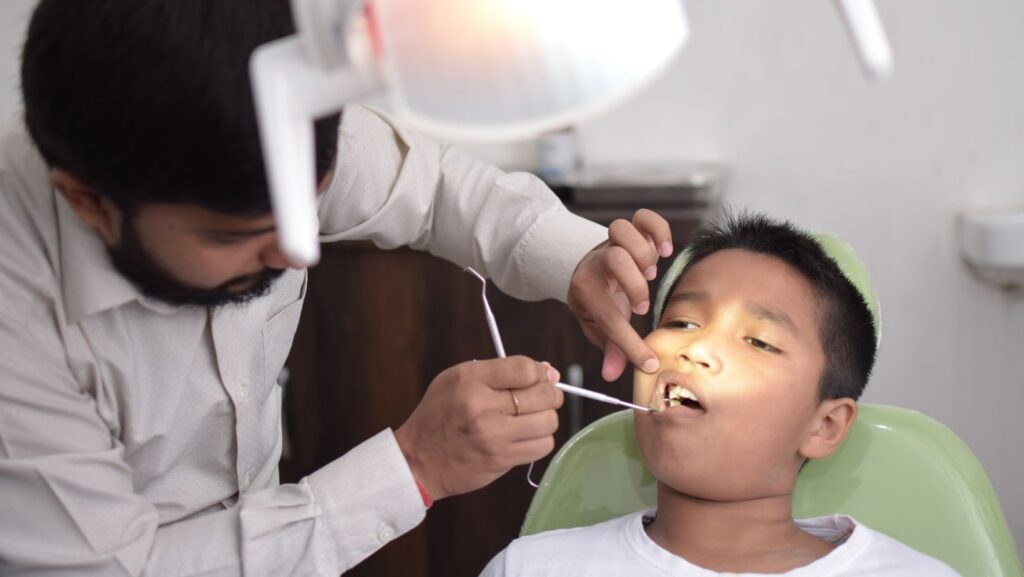
Potential Side Effects and Risks
Common short-term effects include drowsiness, nausea, and lightheadedness. You may feel groggy for several hours and should not drive or operate machinery the rest of the day. Rare but serious risks include respiratory depression, allergic reactions, or low blood pressure.
Risk factors that increase complications include obesity, heavy smoking, uncontrolled medical conditions, and multiple prescription medications. Clinics lower risk by screening patients, using proper dosing, continuous monitoring, and having emergency protocols ready. If you notice breathing changes, chest pain, or severe swelling after sedation, seek emergency care right away.
What to Expect Before, During, and After IV Sedation
You will prepare with clear instructions, experience a monitored sedation process, and follow simple recovery steps. Expect specific fasting rules, medication checks, a staffed IV insertion, and short-term memory gaps after the visit.
Pre-Procedure Preparation
You will get a phone call or written instructions that list fasting times and medication rules. Typically, do not eat solid food for 6–8 hours and avoid liquids 2 hours before the appointment unless your provider says otherwise.
Bring a list of all prescription and over-the-counter medicines, plus allergy information. Your dentist or anesthetist will review your medical history, current meds, and any past reactions to sedation.
Arrange a responsible adult to drive you home and stay with you for several hours. Wear loose clothing and skip jewelry. Follow any specific blood-thinning or diabetes medication guidance your provider gives you.
Step-by-Step Sedation Process
When you arrive, staff will place an IV in your hand or arm and attach monitors (blood pressure, pulse, oxygen). The anesthetist will give sedative medication through the IV and adjust the dose to keep you relaxed but able to respond to simple commands.
You may feel warm, heavy, or drowsy within minutes. Many patients have blurry memory for the procedure and little or no recall afterward. Staff will watch your breathing, heart rate, and oxygen levels the whole time and be ready to treat any concerns immediately.
The procedure team will tell you what to expect before each step. Communication continues throughout so they can keep you comfortable and safe.
Recovery and Aftercare Instructions
After the procedure, you will be moved to a recovery area until your vital signs are stable and you can sit up and follow simple directions. Expect grogginess, mild nausea, or lightheadedness for a few hours.
Do not drive, operate machinery, or sign legal documents for 24 hours. Have someone stay with you overnight if your provider recommends it. Follow written instructions on pain control, oral care, and which foods or drinks to avoid.
Contact your dental office right away if you have severe bleeding, worsening pain, high fever, or breathing trouble. Keep follow-up appointments to check healing and any stitches or temporary restorations.