
Lean muscle is not only built in a squat rack. It is built by consistent tension, smart progression, and enough recovery. Heavyweights can do that, but they are not the only path. High-impact workouts can also build fitness, but they often come with joint stress.
For many people, the real goal is simple. Build muscle, feel athletic, and stay consistent. That is easier with training that feels tough but repeatable.
This guide explains how to do it without heavy lifting or joint-pounding workouts.
What “Lean Muscle” Really Means
Lean muscle is not a special type of muscle. It usually means a muscle that shows because body fat is managed. It also means muscles that look firm and work well in daily life.
Building lean muscle comes down to three drivers.
- Progressive tension on muscles
- Enough weekly training volume
- Nutrition that supports recovery and growth
The method can vary. The drivers do not.
Why Heavy Weights Are Not Required
Muscle grows when it is challenged close to its limit. That limit can come from a heavy load. It can also come from long sets, slow reps, and constant tension.
This is why people can build muscle with bodyweight training. It is also why controlled resistance methods work well.
Key variables that can replace heavy load include:
- Time under tension: slower reps keep muscles working longer
- Range of motion: training through the full range recruits more fibres
- Proximity to failure: stopping when form breaks, not when bored
- Consistency: the simplest lever, but the most powerful
Harvard explains why you can go slower for strength gains and still build strength over time.
Why High Impact Can Backfire
High impact has a place in sport. For general fitness, it can create problems. Jumps, sprint intervals, and fast plyos add force to joints. That force can irritate knees, hips, and ankles, especially when recovery is limited.
Many people also pair high impact with poor sleep and stress. That makes tissue recovery slower. The result is a cycle of soreness, skipped sessions, and lost momentum.
Low-impact strength training is easier to repeat. Repeatability is what makes results show up.
The Low-Impact Muscle-Building Formula
A simple formula works for most people.
- Train the full body 2 to 4 times per week
- Use slow, controlled reps for key movements
- Push sets close to form failure
- Progress one variable every 1 to 2 weeks
- Eat enough protein and sleep consistently
The training can be done with dumbbells, cables, bands, or reformer-style resistance. The method matters more than the tool.
Why Pilates-Style Strength Training Works
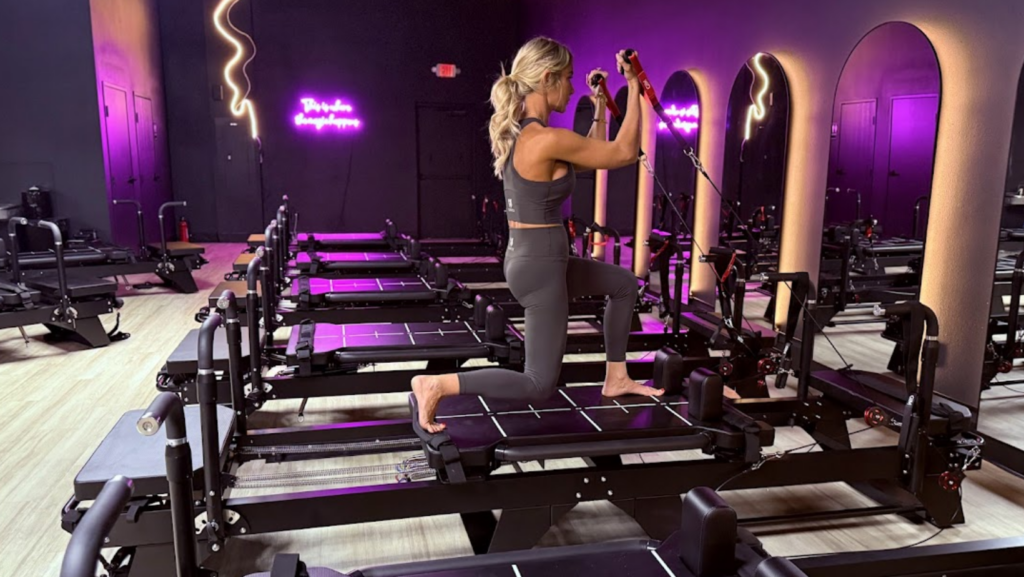
Pilates is known for control. Modern Pilates-style strength adds resistance and longer sets. The intensity can be high while the impact stays low.
This style builds lean muscle through:
- Sustained tension in legs and glutes
- Core engagement through most movements
- Slow transitions that reduce momentum cheating
- High time under tension without heavy loading
This is why sessions can feel brutal without joint pounding. Muscles burn because they stay loaded.
Where High-Resistance Reformers Fit
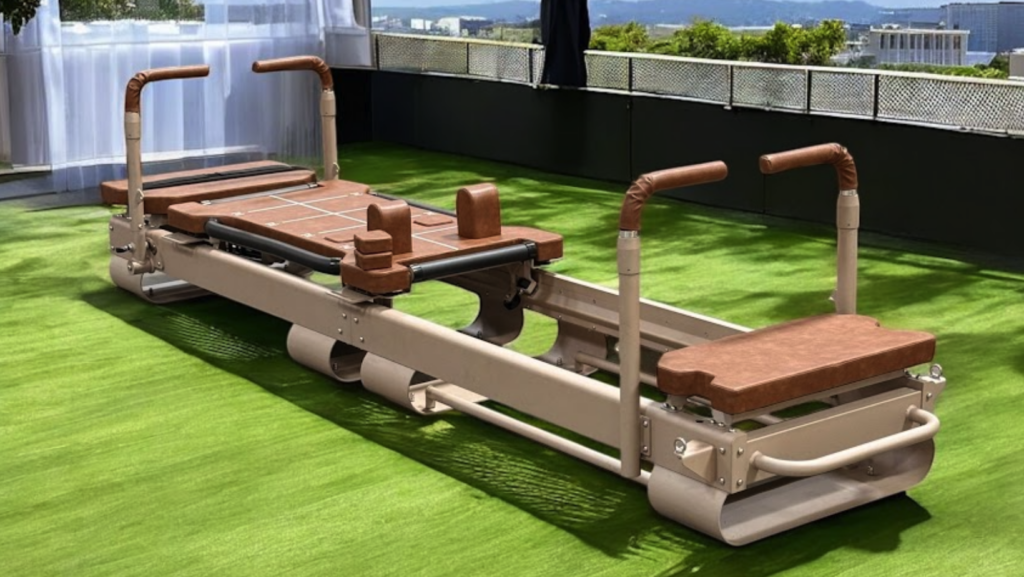
High-resistance reformer formats are popular for a reason. They combine structure, resistance, and controlled movement. They also make it easier to train consistently at home.
Sculptformer sits in this category. It is a high-intensity Pilates reformer-style machine. It is often compared with studio-style formats people already know. The safest approach is to focus on features and training style, not brand names.
If home training is the goal, a reliable megaformer for sale should match resistance, stability, and available space.
The Best Low-Impact Exercises for Lean Muscle
Building muscle without a heavy load still requires smart exercise choices. Focus on big patterns that recruit a lot of muscle.
Lower Body
- Slow split squats or lunges
- Step-ups with controlled lowering
- Hamstring sliders or curls
- Glute bridges with long holds
Upper Body
- Push-ups on an incline or floor
- Rows with bands or cables
- Overhead press with controlled tempo
- Triceps work with full range
Core
- Dead bugs and slow holds
- Plank variations with breathing control
- Anti-rotation presses
- Slow roll-down patterns
The theme is control. Fast reps reduce tension and increase joint stress.
How To Progress Without Heavy Weights
Progression keeps muscle growing. Research shows that training close to failure can drive growth even with lighter loads.
Use these options one at a time.
- Add 2 to 4 reps per set
- Add one extra set to a key movement
- Slow the lowering phase by 2 seconds
- Reduce rest by 15 seconds
- Increase range of motion safely
This keeps training challenging. It also protects joints because the load increases gradually.
Nutrition Basics for Lean Muscle
Training builds the signal. Nutrition supports the result. Muscle needs protein, calories, and recovery.
Keep it simple.
- Eat protein at each meal
- Keep meals consistent on training days
- Hydrate early in the day
- Include carbs around workouts for energy
- Do not crash diet during a muscle-building phase
People often train hard, then under-eat. That slows progress and increases fatigue.
Recovery Is Where Muscle Actually Builds
Muscle is built after training, not during it. Recovery is not optional. It is part of the plan.
Prioritise these basics.
- 7 to 9 hours of sleep, most nights
- 1 to 2 easier days per week
- Light walking for blood flow
- Mobility work that feels good, not punishing
If soreness lasts for days, reduce volume slightly. Consistency beats hero sessions.
Common Mistakes to Avoid
These mistakes show up in most “lean muscle” routines.
- Training too randomly with no progression
- Doing only cardio and expecting muscle gain
- Staying too far from fatigue in sets
- Skipping protein and sleep basics
- Adding impact when joints already feel stressed
Fixing these usually delivers faster results than changing the workout style.
Final Thoughts
Lean muscle can be built without heavy weights and without high impact. The key is controlled tension, smart progression, and repeatable sessions. Pilates-style strength and high-resistance reformer training can fit this goal well, especially for people who want tough workouts that are easier on joints.
Pick a plan that fits the week. Track small progress markers. Stay consistent for 8 to 12 weeks. That is when the body starts to change in a way that actually lasts.