
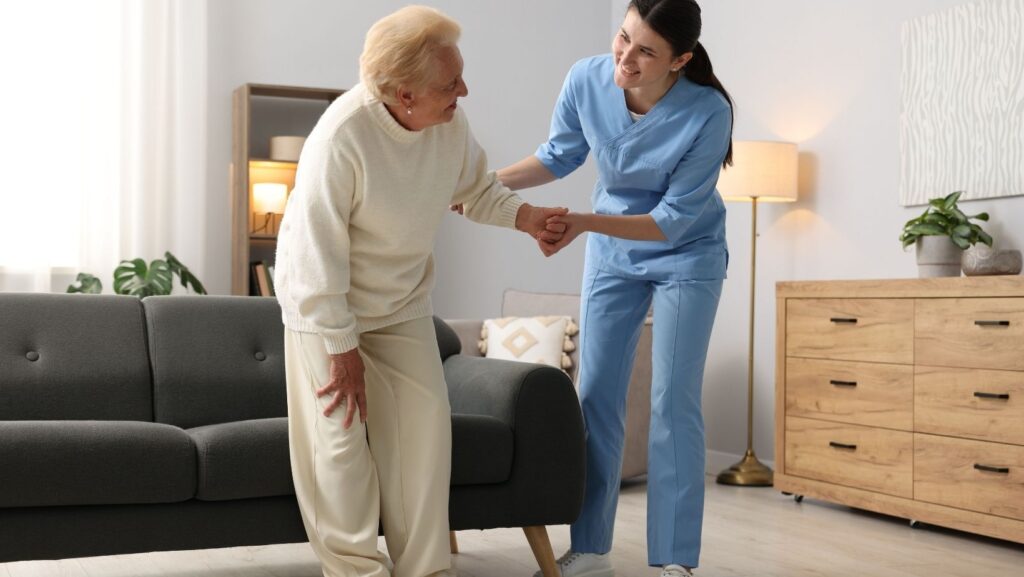
The Shift Toward Living, Not Just Care
Nursing homes have long been associated with clinical routines, shared rooms, and institutional environments. Today, that perception is steadily changing. A growing movement within long-term care is redefining what these spaces look and feel like, shifting from purely medical settings into environments designed for comfort, dignity, and daily living.
A simple realization drives this shift. Residents are not just patients; they are individuals with histories, preferences, and emotional needs. Research and policy discussions increasingly emphasize that facilities must prioritize resident-centered care, where services are tailored to individual needs rather than standardized routines.
The result is a transformation that blends healthcare with thoughtful design, social engagement, and personal autonomy.
Why Environment Matters More Than Ever
The physical environment of a nursing home has a direct impact on both mental and physical health. Studies on healthcare design show that well-planned spaces can reduce stress, improve recovery outcomes, and enhance overall well-being.
In nursing homes, this translates into smaller living units, more natural light, and access to outdoor areas. Facilities are moving away from long hallways and shared wards toward layouts that resemble residential homes. Some models even organize residents into small groups, creating closer relationships and a stronger sense of community.
These changes are not just aesthetic. They address long-standing concerns about isolation and loss of independence, which have been major challenges in traditional care settings.
The Rise of Personalized Daily Living
One of the most important developments in modern nursing homes is personalization. Instead of rigid schedules, residents are increasingly given choices about their daily routines, from meal times to activities.
This approach reflects a broader trend toward precision and individualized care. Facilities are incorporating technologies and care plans that adapt to each resident’s medical and personal needs. Innovations such as remote monitoring and smart systems are helping staff deliver more responsive and tailored support.
At the same time, personalization extends beyond healthcare. Residents may participate in cooking, decorating their rooms, or engaging in hobbies that reflect their past lifestyles. These seemingly small changes help maintain identity and purpose, which are essential for emotional well-being.
Staffing Challenges and Human Connection
While design and technology are evolving, staffing remains one of the most pressing issues in nursing homes. Workforce shortages continue to affect care quality, making it difficult to maintain consistent attention and support for residents.
On average, residents receive just under four hours of nursing care per day, a figure that has declined over time. This highlights the importance of not only increasing staff numbers but also improving the delivery of care.

Human-centered models aim to address this by fostering stronger relationships between staff and residents. When caregivers are assigned to smaller groups, they become more familiar with individual preferences and needs. This continuity improves both care quality and job satisfaction, creating a more stable and compassionate environment.
Designing for Community and Belonging
A major criticism of traditional nursing homes has been the sense of isolation they can create. New approaches to tackling this prioritize social interaction and community building.
Modern facilities are incorporating shared kitchens, living rooms, and activity spaces that encourage residents to interact naturally. Some designs even mirror neighborhood layouts, with clusters of rooms around common areas.
These changes are rooted in the idea that social connection is just as important as medical care. Research has shown that environments supporting relationships and engagement can improve overall quality of life and reduce feelings of loneliness.
For families exploring options like nursing homes in Fort Wayne Indiana, this shift toward community-focused living is becoming an important factor in decision-making.
Technology as a Support System, Not a Replacement
Technology is playing an increasingly important role in nursing homes, but its purpose is not to replace human care. Instead, it supports caregivers and enhances safety.
Sensor-based systems can detect falls or monitor movement patterns, allowing staff to respond quickly without constant intrusion. Digital tools also help track health data and coordinate care more effectively.
At the same time, facilities are careful to balance innovation with privacy and dignity. The goal is to create an environment where residents feel safe without feeling watched or restricted.
A Future Built Around Dignity
The transformation of nursing homes reflects a broader shift in how society approaches aging. Instead of viewing these facilities as last-resort institutions, there is a growing effort to make them places where people can live meaningful, comfortable lives.
This change will not happen overnight. Challenges such as staffing shortages, regulatory pressures, and rising costs remain significant. However, the direction is clear.
By focusing on human-centered design, personalized care, and community engagement, nursing homes are evolving into environments that respect residents’ medical and emotional needs.
In the end, the goal is simple yet profound. To create spaces where care does not come at the expense of dignity, and where aging is supported with both compassion and intention.