
Mini Dental Implants: Are They a Legitimate Alternative or a Compromise? — Evidence, Risks, and Patient Considerations
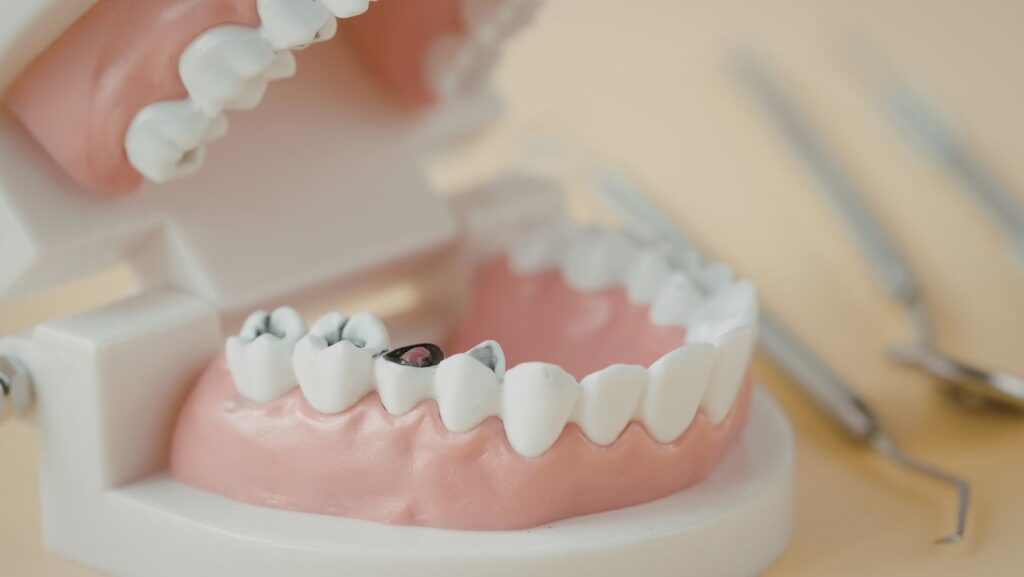
You can get a stable, less invasive tooth replacement with mini dental implants, and for many people they serve as a legitimate alternative—especially when bone loss, cost, or faster recovery matter most.
Mini implants often deliver reliable support for crowns, bridges, or denture stabilization with smaller surgery and lower expense, though they trade some long-term strength compared with full-size implants.
This article helps you weigh benefits, limitations, and real-world cases so you can decide whether mini implants match your mouth, budget, and lifestyle. Expect clear comparisons of procedure, recovery, durability, and how to choose the implant solution that fits your situation, especially when considering same day dental implants in Minot ND as a faster full-arch restoration option.
Understanding Mini Dental Implants
Mini dental implants are smaller-diameter titanium posts designed to support crowns, bridges, or to stabilize dentures with less bone removal and a shorter procedure time. They trade some structural strength for a minimally invasive approach that can suit limited-bone situations and lower budgets.
Definition and Design Features
Mini dental implants (MDIs) are usually under 3.0 mm in diameter and are often one-piece, combining the implant body and abutment.
The head commonly has a ball-shaped or tapered end that protrudes through the gum to engage a crown, overdenture housing, or attachment.
You get a narrow, threaded shaft that screws into the jawbone with a self-tapping design in many systems.
Because MDIs are one-piece, they eliminate the separate abutment screw connection found in standard implants, reducing components and chair time.
Materials are typically medical-grade titanium or titanium alloys to encourage osseointegration.
MDIs rely on cortical bone engagement and immediate mechanical stability more than on large surface area for long-term load distribution.
Comparison to Standard Dental Implants
Standard implants usually range from about 3.5–6 mm in diameter and use a two-piece design: implant body plus abutment.
That larger diameter provides greater surface area for bone contact and higher load-bearing capacity under chewing forces.
You should expect MDIs to involve less invasive placement, often in a single visit with minimal flap surgery.
This suits patients with narrow ridges or reduced bone who either decline bone grafting or want faster treatment.
Longevity and strength favor standard implants for single-tooth crowns and heavy bite forces.
MDIs perform well for denture stabilization and small teeth replacement but may have higher risk of fracture or loss under high occlusal load.
Consider cost, healing time, and available bone: MDIs tend to be less costly and allow immediate function, while standard implants often require staged healing and possibly grafts.
History and Development
Mini implants trace roots to narrower implant concepts developed in the 1970s but gained clinical popularity in the 1990s as materials and machining improved.
Early designs tested the idea that a smaller-diameter screw could provide adequate retention for removable prostheses.
Clinical adoption accelerated when manufacturers standardized one-piece systems and marketed immediate-loading protocols for denture retention.
Growing patient demand for lower-cost, less invasive options pushed clinicians to refine techniques and indications.
Research since the 2000s has focused on survival rates, fracture risk, and comparative outcomes versus standard implants.
You’ll find evidence supporting MDIs for overdentures and certain single-tooth cases, but long-term data still show standard implants as the stronger choice for high-load, aesthetic restorations.
Evaluating Mini Dental Implants as an Alternative
Mini dental implants can reduce surgical complexity, lower upfront cost, and work in narrower ridges. Weigh how they perform clinically, which patient profiles benefit most, and what the evidence says about long-term success.
Clinical Effectiveness
Mini implants provide strong immediate retention for single crowns, small bridges, and overdentures when placed in adequate bone. You can expect a less invasive, often flapless procedure with a one-piece design that shortens chair time and recovery.
Clinical studies show comparable short-term stability to standard implants in selected cases, though mini implants have smaller diameters and different load tolerances. This makes implant planning critical: evaluate bone quality, occlusal forces, and prosthetic design before choosing minis.
Monitor for marginal bone loss and soft-tissue response after placement. You should expect higher mechanical risk under heavy lateral forces, so limit minis where high occlusal loads or long-span prostheses are required.
Suitability for Different Patient Needs
Mini implants suit patients with narrow alveolar ridges who want less invasive surgery or cannot afford bone grafting. You can often avoid augmentation because the smaller diameter fits where standard implants would need additional procedures.
They also work well for stabilizing lower dentures, improving function and comfort for many denture wearers. Consider patient health factors: smokers, uncontrolled diabetes, or poor oral hygiene raise failure risk for any implant but may impact minis more due to reduced mechanical margin.
If your treatment goal involves single-tooth replacement in a low-load zone, or interim solutions during healing, minis are a viable option. For bruxers, patients requiring full-arch fixed restorations, or those needing the longest-term durability, standard implants usually remain preferable.
Long-Term Outcomes
Long-term data on mini implants is more limited than for standard implants but growing. You should expect acceptable survival rates over 5–10 years in carefully selected cases, particularly for denture retention and short-span prostheses.
Failure patterns differ: mechanical complications (fracture, loosening) and peri-implant bone loss occur more often with minis under inappropriate loads. Regular recall, occlusion checks, and maintenance reduce these risks and extend service life.
When comparing cost-per-year, minis can offer better short-term value if replacement or repairs remain infrequent. For lifetime planning, evaluate expected prosthesis lifespan, likelihood of future augmentation, and how replacement costs affect long-term economics.
Potential Compromises and Limitations
Mini dental implants can offer faster surgery and lower upfront cost, but they trade off durability, load-bearing capacity, and suitability for complex cases. Expect different long-term outcomes, specific maintenance needs, and distinct financial considerations compared with standard implants.
Risks and Drawbacks
Mini implants have a smaller diameter, which reduces strength under heavy biting forces. You face a higher risk of bending, fracture, or loosening when used to replace molars or support large bridges.
Bone and gum conditions matter. If you have thin cortical bone, active periodontal disease, or parafunctional habits (like grinding), mini implants are more likely to fail. Success rates for single-tooth anterior placements and denture stabilization are acceptable, but predictable long-term success for full-arch or posterior load-bearing restorations is limited.
Surgical simplicity can mask biological risks. Because some clinicians place minis without flap elevation or grafting, you may skip necessary augmentation and compromise osseointegration. Ask for published success rates for the operator’s specific application before proceeding.
Cost Considerations
Mini implants usually cost less per fixture than standard implants, often 30–60% cheaper when you compare implant hardware and simpler surgery. That makes them attractive for denture stabilization or single-tooth temporary solutions.
Factor in downstream costs. If a mini fails or deforms under load, you may need replacement implants, additional surgeries, or conversion to standard implants with bone grafting—adding net expense. Compare total cost projections for a 5–10 year horizon, not just the initial fee.
Insurance and financing vary. Some plans treat minis like removable prosthetic supports with lower coverage. Confirm whether your insurer considers mini implants as definitive restorative treatment or only a transitional option.
Maintenance Requirements
Mini implants require routine checks more often than standard implants. You should expect follow-up visits at 1, 3, 6, and 12 months initially, then semiannual exams to monitor mobility, peri-implant tissue, and occlusion.
Oral hygiene matters. Clean around the narrow implant collars with interproximal brushes and low-abrasive toothpaste to limit plaque buildup and peri-implant mucositis. If you use a denture retained by minis, inspect attachment housings and O-rings every 6–12 months; these parts wear and need periodic replacement.
Prepare for adjustments. Because minis transmit forces differently, your prosthesis may require occlusal equilibration or rebasing. If you grind or clench, discuss nightguard use—without force management, maintenance needs and failure risk increase.
Choosing the Right Implant Solution
You should weigh clinical suitability, cost, timeline, and long-term goals when choosing between mini and traditional implants. A focused exam and clear priorities will guide the right choice for your mouth and lifestyle.
Consulting with Dental Professionals
Talk to a dentist or oral surgeon who evaluates bone volume with CBCT imaging and reviews your medical history. Ask whether you need bone grafting, the risk of sinus involvement for upper teeth, and how implant diameter affects neighboring roots.
Request to see outcome photos and ask about experience placing the specific implant type you’re considering. Confirm who will restore the prosthesis — the surgeon or your restorative dentist — and whether coordination between specialists is included in the fee.
Get a written plan that lists steps, estimated timeline, total cost, payment options, and contingency for complications. Verify warranties or follow-up care policies and confirm how many follow-up visits are typical.
Key Factors in Decision-Making
Evaluate bone quantity and quality first: narrow ridges or low bone height often favor mini implants to avoid grafting. For single-tooth gaps with adequate bone, standard implants typically provide greater long-term load-bearing capacity.
Compare functional demands and prosthesis type. If you need an implant-supported denture or immediate stabilizing posts, minis can reduce surgical time and cost. For fixed crowns or bridges under higher bite forces, traditional implants usually offer superior durability.
Factor in cost, recovery time, and maintenance. Minis tend to be less expensive and heal faster, but they may have higher failure risk under heavy chewing forces. Balance short-term convenience against your expected functional lifespan and replacement tolerance.