
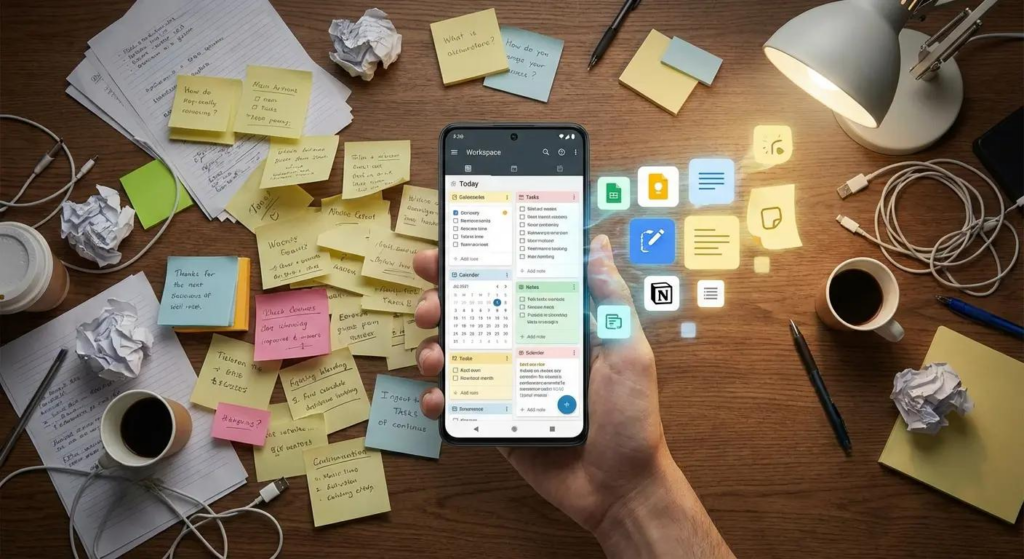
Modern life comes with an enormous amount of invisible administration. Paying bills, booking appointments, managing subscriptions, ordering groceries, arranging travel, renewing documents, and tracking healthcare can collectively consume hours every week. None of these tasks is particularly significant on its own, but together they have increasingly become known as “life admin.”
Technology is beginning to reduce that burden. Digital services are transforming routine responsibilities into tasks that can often be completed in minutes, automated entirely, or managed without leaving home. As convenience becomes embedded in more industries, the real benefit may not simply be faster services but something much more valuable: giving people greater control over their time.
Everyday Tasks Are Moving Online
The shift toward digital life administration has been developing for years. Online banking removed the need to visit a branch for many routine transactions, while e-commerce changed how people shop. Grocery delivery, mobile payments, digital government services, and online booking platforms have continued the same trend.
The attraction is straightforward. A task that once required traveling somewhere, waiting in line, and completing paperwork can increasingly be handled through a smartphone or computer.
These small savings accumulate. Removing ten or twenty minutes from several routine responsibilities can free up meaningful time over a month, helping people focus more on work, family, hobbies, rest, or other priorities.
Healthcare Is Becoming Easier to Organize

Healthcare has traditionally involved a significant amount of administration. Patients may need to arrange appointments, travel to clinics, manage prescriptions, collect medications, and keep track of follow-ups alongside their existing responsibilities.
Digital healthcare is beginning to simplify parts of this process. Online appointment systems, telehealth consultations, electronic prescriptions, patient portals, and an online pharmacy can reduce some of the logistical steps involved in managing routine healthcare when digital services are appropriate.
The objective is not to replace doctors, clinics, or physical pharmacies. Instead, technology can remove unnecessary friction from tasks that do not always require an in-person interaction, while leaving traditional healthcare available when direct professional care is needed.
Automation Is Changing Personal Productivity
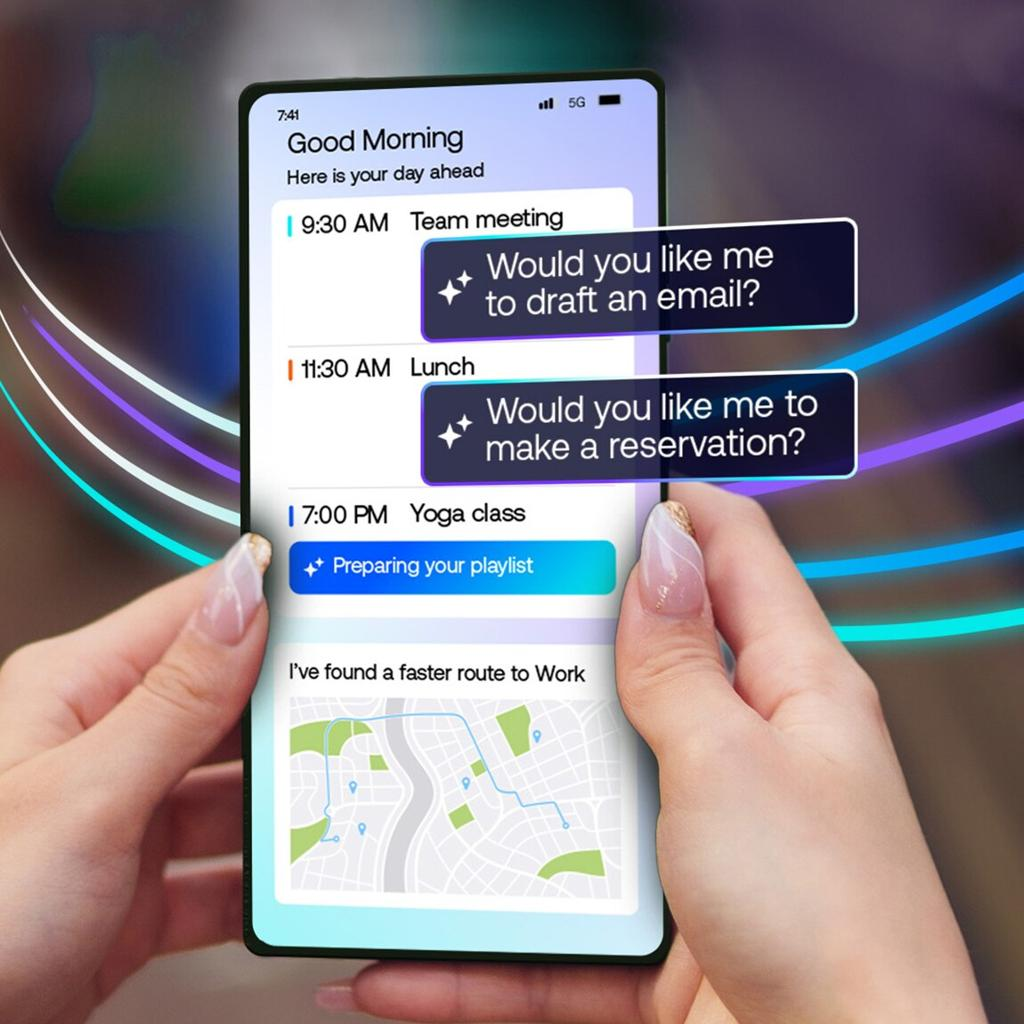
One of the most significant developments in life administration is the transition from simply completing tasks online to automating them altogether. Direct debits, automatic savings transfers, recurring grocery deliveries, calendar reminders, and subscription services can reduce the number of decisions people need to make repeatedly.
Artificial intelligence could accelerate this shift. Digital assistants may increasingly help people organize schedules, identify upcoming responsibilities, manage routine communications, and bring important information together in one place.
This matters because productivity is not solely about completing more work. Reducing the mental load associated with remembering dozens of small obligations can make daily life feel more manageable. The next generation of productivity technology may therefore focus as much on removing tasks as helping people complete them faster.
Convenience Is Changing Consumer Expectations
Once consumers experience a simpler way of completing a routine task, their expectations often change across other industries. Someone accustomed to managing banking instantly through a smartphone may become less willing to spend an afternoon completing an administrative process that could reasonably be digitized.
Healthcare provides a clear example. Services such as an online pharmacy reflect the wider expectation that suitable routine activities should be accessible without unnecessary travel or waiting. Similar expectations are influencing insurance, personal finance, education, fitness, and professional services.
Businesses are responding by redesigning customer journeys around fewer steps, clearer interfaces, faster communication, and greater flexibility. Increasingly, convenience is not treated as a premium extra but as a fundamental part of a good user experience.
Digital Convenience Still Requires Thoughtful Choices
Moving more of life online creates benefits, but convenience should not automatically be confused with quality. People still need to consider security, privacy, reliability, and credibility when choosing digital services, particularly when financial or healthcare information is involved.
Automation also works best when users retain appropriate oversight. A subscription that saves time can become an unnecessary expense if forgotten, while automated financial or healthcare processes may still require occasional review.
The most useful digital tools are therefore those that simplify repetitive work without removing meaningful control. Technology should reduce the burden of life admin rather than make important decisions invisible.
Reclaiming Time for What Actually Matters
The life admin revolution is ultimately less about apps and platforms than about how people choose to spend their limited time. Technology cannot create additional hours in a day, but it can reduce the hours those tasks consume.
The cumulative effect can be significant. A simpler healthcare process, automated bill payment, grocery delivery, online banking, and more efficient scheduling may each save only a modest amount of time individually. Together, they can create more space in everyday life.
As digital services become smarter and increasingly connected, consumers are likely to judge innovation partly by how much friction it removes. The most valuable technologies may not be those that demand more of our attention, but those that quietly handle routine responsibilities and allow us to direct that attention somewhere more worthwhile.