
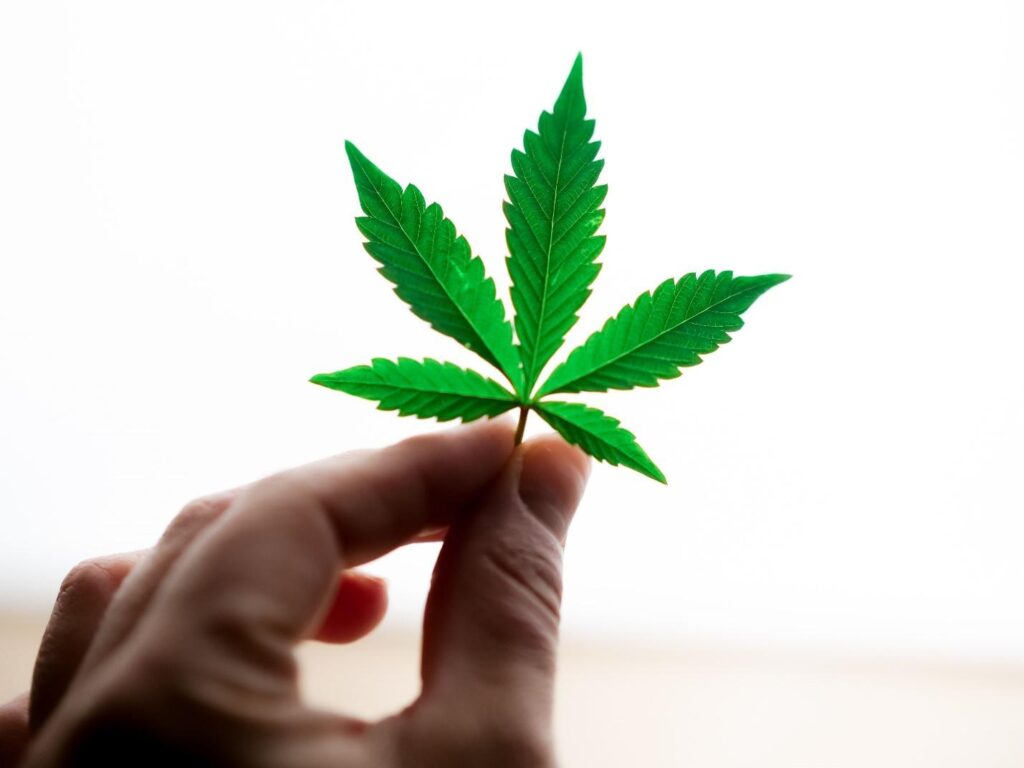
Cannabis has more nicknames than almost any other commonly used substance, and the list keeps growing every year. Whether you’ve heard an unfamiliar term online, in a song, or in conversation, it can be hard to keep track of what’s actually being referred to. This guide walks through the most common names for marijuana, along with a deeper look at the other names for weed that have emerged more recently, so you can make sense of the ever-changing vocabulary.
Why Marijuana Has So Many Names
Slang around cannabis has developed for a mix of practical and cultural reasons. Historically, coded language allowed people to discuss use more discreetly, especially during periods when cannabis was more heavily stigmatized or criminalized. Over time, these terms took on lives of their own, spreading through music, film, regional dialects, and eventually the internet.
Today, the sheer number of names for marijuana reflects decades of overlapping cultural influence from 1960s counterculture, to hip-hop in the ’80s and ’90s, to the meme-driven, algorithm-conscious slang of the social media era. Each wave added new terms without necessarily replacing the old ones, which is why so many different names remain in circulation simultaneously.
The Most Common Names for Marijuana
Some terms have staying power because they’ve become deeply embedded in everyday language. These are among the most recognized:
These core names for marijuana form the vocabulary most people are already familiar with, even if they don’t use cannabis themselves.
Other Names for Weed You Might Not Know
Beyond the well-known classics, there’s a wide range of other names for weed that are more regional, generational, or context-specific. Some of these have faded in and out of popularity, while others remain tied to specific communities or subcultures.
Regional and Cultural Variations
Descriptive and Slang-Based Terms
Terms Tied to Form or Method
Some other names for weed describe the product’s form rather than the plant itself:
The Cultural Shift Behind the Language
The evolution of names for marijuana closely tracks broader shifts in how cannabis is viewed and regulated. As legalization has expanded across many states, some slang terms have moved from underground vocabulary into mainstream retail language. Dispensary menus now casually use terms like “flower,” “pre-roll,” and strain-specific nicknames that would have sounded like coded slang a generation ago.
At the same time, newer other names for weed continue to emerge specifically because social platforms actively moderate drug-related content. Younger users often adapt quickly, replacing flagged terms with new code words, which is part of why this vocabulary shifts so much faster than it used to.
Why Understanding This Language Matters
Staying familiar with cannabis slang isn’t just useful for cultural literacy. Parents, educators, and anyone paying close attention to conversations involving younger people may find it easier to recognize what’s actually being discussed when unfamiliar terms come up in texts, social media, or everyday conversation.
It’s worth remembering, though, that recognizing a term isn’t the same as understanding the full picture. Casual references to cannabis use don’t automatically indicate a problem, but shifts in language sometimes accompany other changes worth paying attention to changes in mood, secrecy, or reliance on substances to manage stress, anxiety, or other underlying difficulties.
When It’s More Than Just Slang
For some people, cannabis use exists alongside other challenges, including anxiety, depression, or other substance use. When these issues overlap, they’re often best addressed through dual diagnosis treatment, which is designed specifically for situations where substance use and mental health conditions influence one another rather than existing in isolation. Recognizing when casual use may be masking a larger issue is often the first step toward getting the right kind of support.
Final Thoughts
From foundational terms like “pot” and “Mary Jane” to newer, platform-driven code words like “broccoli” and “za,” the list of names for marijuana and other names for weed reflects decades of shifting culture, technology, and social attitudes. Understanding this language doesn’t require becoming an expert in slang but staying reasonably informed can make conversations, whether casual or more serious, a little easier to navigate.