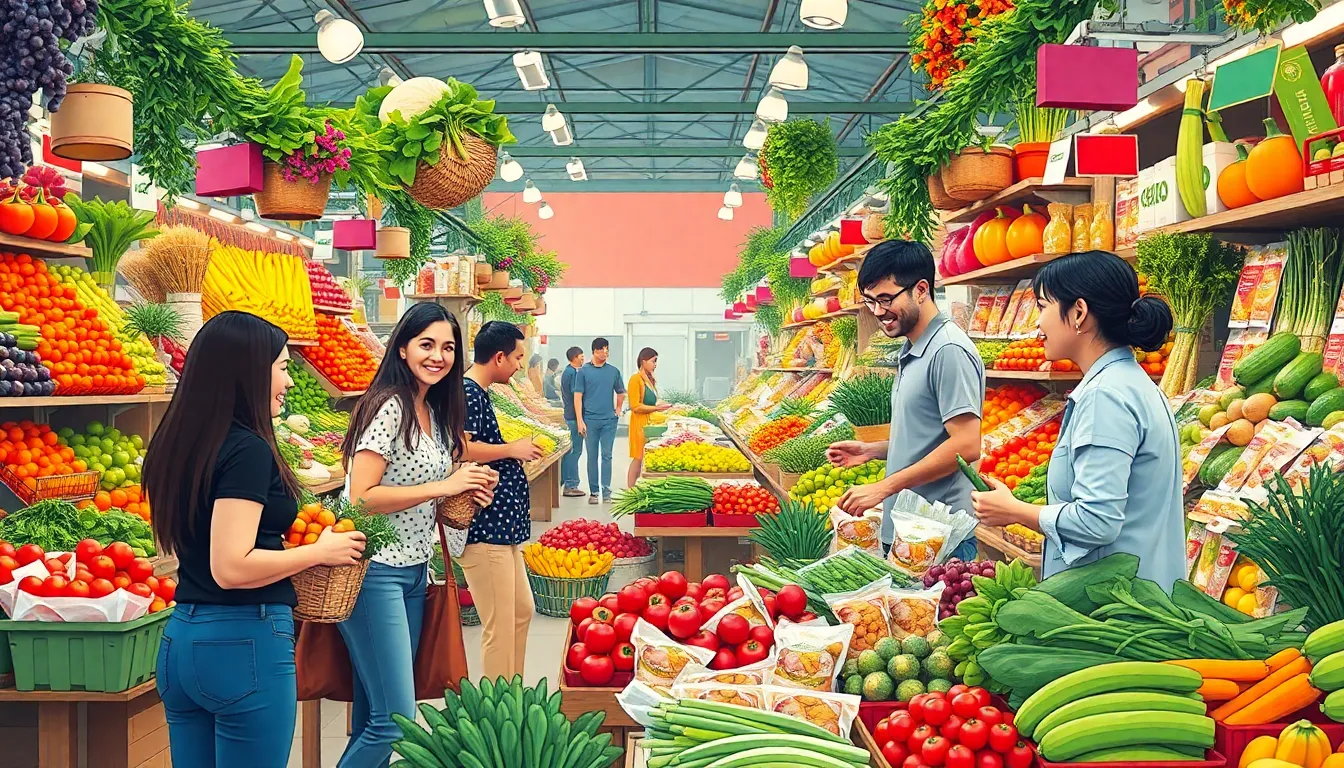
In a world where kale reigns supreme and quinoa is practically a food group, the healthy living market is booming like never before. People are trading in their greasy fries for green smoothies and discovering that “superfoods” aren’t just a trendy buzzword but a gateway to feeling fabulous. With an increasing number of health-conscious consumers, the quest for wellness has transformed shopping into a treasure hunt for nutritious delights.
Overview of the Healthy Living Market
Consumers increasingly prioritize health and wellness, driving growth in the healthy living market. The rise of nutritious food options significantly reflects this trend. Data shows that sales of organic foods increased by 12.4% in 2021, emphasizing a shift towards healthier lifestyles. Many individuals now seek products enriched with vitamins, minerals, and antioxidants.
Preference for superfoods like kale, quinoa, and chia seeds continues to grow. Research indicates that 81% of consumers actively look for healthful attributes in the foods they purchase. Retailers respond by expanding their inventories to include more organic and non-GMO products.
Innovative brands play a pivotal role in shaping consumer experiences. Those brands often highlight sustainability alongside health benefits to attract eco-conscious buyers. Convenience also factors into shopping habits; ready-to-eat meals and snack options are gaining popularity among busy individuals.
E-commerce platforms further enhance access to healthy living products. Statistics reveal that online grocery sales surged by 54% during the pandemic, with many choosing online shopping for health-focused options.
Investment in health technology complements these trends. Wearable devices and health apps empower consumers to monitor their nutrition and physical activity. Businesses that adapt to these changes not only meet consumer demand but also thrive in a competitive market.
Growing awareness of mental health impacts choices within the healthy living sector. Mindfulness and holistic approaches contribute to this expanding market, highlighting the overall connection between physical health, mental well-being, and nutrition.
Key Trends Shaping the Healthy Living Market
The healthy living market continues to evolve, driven by significant consumer preferences and behavior changes. Two prominent trends are the rise of plant-based products and an increasing focus on mental wellness.
Rise of Plant-Based Products
Plant-based products are gaining traction as more consumers shift away from animal-based diets. Reports show that sales of plant-based foods increased by 27% in 2020, highlighting a significant movement toward vegetarian and vegan options. Brands are responding by introducing plant-based meat alternatives and dairy substitutes, meeting the demand for sustainable choices. Superfoods such as lentils, chickpeas, and various nuts offer nutritious benefits, attracting those who prioritize health. Additionally, many consumers view plant-based diets as a means to improve their overall wellness and environmental impact. Retailers stock more diverse plant-based options to cater to this expanding market.
Increasing Focus on Mental Wellness
Mental wellness is becoming a top priority, influencing consumer choices in the healthy living market. Many individuals now seek products that promote not just physical health but also mental clarity and emotional balance. Mindfulness practices, such as meditation and yoga, gain popularity as effective strategies to manage stress. Research indicates that 75% of consumers look for mental health benefits when selecting wellness products. Brands are incorporating adaptogens, herbal supplements, and nutrient-rich foods designed to enhance mood and cognitive function. Companies recognizing this trend are expanding their offerings to include holistic solutions that benefit the mind and body, addressing the growing need for comprehensive wellness.
Major Players in the Healthy Living Market
Several influential brands shape the healthy living market by catering to consumer demands with innovative strategies and products. Focus remains on health, sustainability, and convenience.
Leading Brands and Their Strategies
Top brands like Whole Foods Market and Trader Joe’s emphasize organic options, with Whole Foods reporting a 12.4% growth in organic food sales in 2021. Trader Joe’s excels in offering affordable, health-conscious options. Brands craft marketing campaigns that highlight healthful attributes, appealing to the 81% of consumers who seek nutritious products. Many companies prioritize transparency by clearly labeling ingredients and sourcing. Brands also leverage social media to showcase recipes and usage tips, fostering community engagement. Their commitment to sustainability resonates with eco-conscious shoppers, making health a prominent aspect of shopping decisions.
Innovators in the Industry
Innovators like Beyond Meat and Oatly represent the shift toward plant-based options, witnessing a 27% surge in sales in 2020. These companies revolutionize consumer choices by providing protein alternatives and dairy substitutes. Investment in technology enhances the shopping experience, encouraging brands to utilize e-commerce platforms for broader access. Wearable devices and health apps support consumers in tracking nutrition and fitness. Many startups focus on mental wellness products, integrating adaptogens for improved cognitive function. Their unique positioning helps capture the growing market, responding effectively to the rising awareness around holistic health.
Consumer Behavior and Preferences
Consumer behavior in the healthy living market reveals distinct trends and preferences. Health-conscious individuals come from various demographics, often influenced by age, income, and education. Younger consumers aged 18 to 34 typically show a greater affinity for plant-based products. Meanwhile, higher-income households prioritize organic and specialty health items. Research indicates that educated consumers place significant value on nutrition labels and ingredients, leading them to seek products with health benefits.
Purchasing decisions are influenced by several factors, with health benefits and taste leading the way. Environmental sustainability also plays a crucial role, as consumers gravitate toward brands that support eco-friendly practices. Convenience impacts decisions as well; ready-to-eat meals and easy-to-navigate online shopping options appeal to busy lifestyles. Shopping experiences that include transparency about sourcing and production resonate deeply. Trust in brand integrity fosters loyalty among consumers committed to health and wellness.
Conclusion
The healthy living market is more than just a trend; it’s a reflection of a significant lifestyle shift towards better nutrition and overall well-being. As consumers embrace nutritious options and prioritize mental health alongside physical health, the demand for innovative products continues to rise. Retailers are adapting swiftly to meet these changing preferences by offering a diverse range of organic and plant-based items.
With the integration of technology and a focus on sustainability, brands are not only enhancing consumer experiences but also fostering loyalty among health-conscious shoppers. The future of the healthy living market looks promising as it evolves to accommodate the needs of a more informed and health-oriented population.