
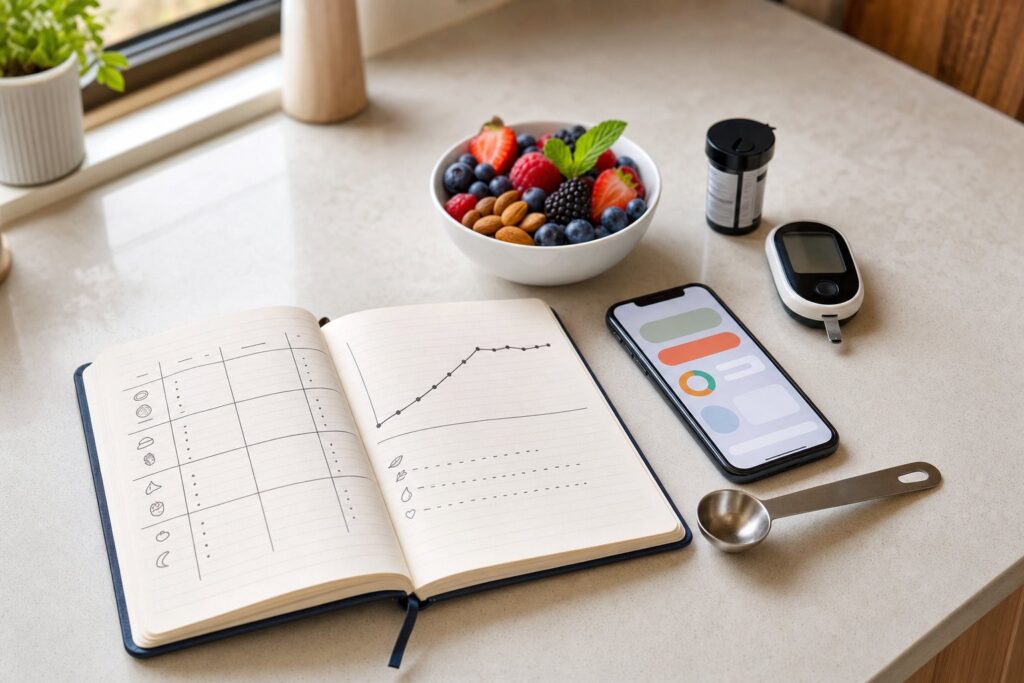
Nutrition tracking is sometimes used as a tool for personal wellness and self-improvement. Many people use it to build awareness of their eating patterns without letting the process become overwhelming. When approached with the right mindset, nutrition tracking can inform better choices and support healthy habits over time.
Modern nutrition tracking has evolved from detailed calorie logs to flexible and technology-enabled options that fit your lifestyle. Whether you jot down meals or use photos, this practice supports self-awareness by revealing trends in energy, mood, and focus. Including tracking resources such as the A1C to Blood Sugar Chart as part of your self-tracking process can provide helpful context for people monitoring health data over time. This versatility is especially important if you want to support long-term health rather than chase quick fixes.
Understanding the range of nutrition tracking options
Nutrition tracking spans a broad spectrum, from simple notes on what you eat to comprehensive data on macronutrients, micronutrients, and meal timing. Some people prefer jotting down rough meal outlines or snapping quick photos, making the process less intrusive. Others might track protein, fiber, or added sugar to align nutrition with specific goals or dietary needs.
Apps and digital tools allow you to monitor trends without focusing too much on perfection. Tracking can involve recording carb intake, noting servings of vegetables, or observing how meal spacing impacts your energy. This adaptable approach means that you can customize nutrition tracking according to personal comfort and evolving wellness priorities.
Awareness benefits that improve self-knowledge
One of the main benefits of nutrition tracking is the opportunity to spot patterns across your diet and daily routine. By reviewing meal details, you may notice links between what you eat and changes in focus, mood swings, or sugar cravings. Recognizing these connections can help refine habits without drastic or restrictive diets.
Awareness also helps you evaluate how certain foods affect your satiety and energy stability across the day. It becomes easier to identify whether frequent afternoon energy crashes align with low-fiber lunches or skipped meals. As part of broader tracking, a Blood Sugar Targets Chart can provide useful context for people managing blood sugar alongside overall well-being.
Applying tracking to blood sugar and energy levels
Carbohydrate and fiber intake play essential roles in regulating blood sugar and daily energy. Tracking these elements can shed light on how meal balance may shape physical and mental performance. For instance, steady energy levels may result from meals containing a mix of complex carbs, lean protein, and healthy fats rather than high-sugar foods that can trigger rapid fluctuations.
Monitoring nutrition is not just for those with medical needs but can benefit anyone striving for better focus and fewer energy dips. If you observe persistent symptoms, reviewing your logs might uncover foods or timing patterns that contribute to changes in energy or mood. Over time, these insights can shape longer-term dietary adjustments for greater personal wellness.
Flexible and balanced tracking for real progress
Sustainable nutrition tracking emphasizes consistency rather than perfection. Tracking every meal is not necessary to experience benefits. Some individuals keep records a few days per week or focus on logging staple meals they eat most often. These practical methods make nutrition tracking realistic and less likely to cause frustration.
It is common to face pitfalls such as underestimating portion sizes, making incomplete entries, or feeling anxious about numbers. Recognizing these obstacles and taking breaks when needed supports a healthier relationship with food and self-tracking. Adjusting the approach, such as focusing on a single nutrient or periodic check-ins, keeps tracking effective and sustainable over time.
Defining clear purposes for nutrition tracking, like improving energy stability, sleeping better, or supporting training recovery, can turn the process into a meaningful tool rather than a daily stressor. If you notice stress, confusion, or a history of disordered eating, it is wise to consult a healthcare professional before making tracking a regular practice. This can help ensure self-tracking supports your wellness without unintended negative consequences, keeping the focus on long-term growth and self-awareness.