
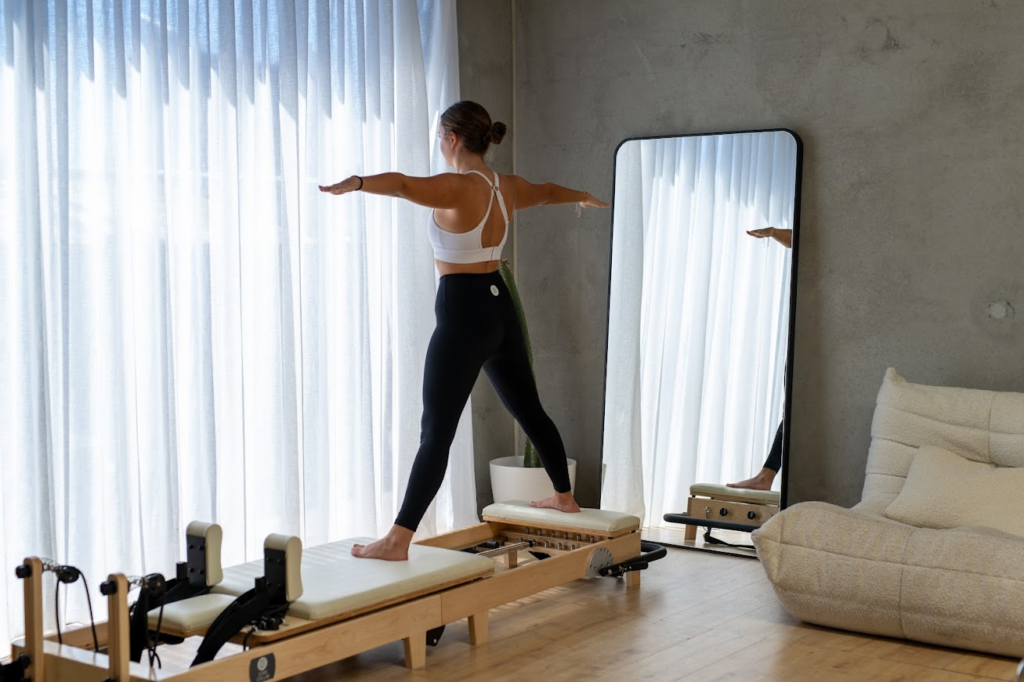
Home workouts often start strong, then fade fast. The plan feels unclear. The sessions feel repetitive. Progress stalls, and motivation drops. A complete routine fixes that by giving structure and purpose.
A good home program trains the whole body each week. It builds strength, stability, and conditioning together. It also protects joints by spreading the load across patterns. That matters when training time is limited.
The goal is not random sweat. The goal is repeatable sessions that build results. Once the framework is clear, almost any training style can fit. Pilates-based strength work can fit too, especially with smart progressions.
How To Keep Sessions Balanced Without Overthinking Exercises
Balance is not about choosing “perfect” movements. It is about training the body in different ways across the week. That means giving attention to legs, hips, upper body, and trunk control, instead of hammering one area repeatedly.
A practical way to think about balance is using the five training needs. A lower-body bend pattern. A hip hinge pattern. An upper-body push. An upper-body pull. A brace or carry style effort. Most aches show up when one of these is missing for too long.
The goal is simple coverage. Each week should include all five, which aligns with NHS activity guidelines for adults that also include regular muscle-strengthening work. The exact movements can change based on space, equipment, and skill. The structure stays the same, which makes progress easier to track.
The Intensity Rules That Prevent Burnout at Home
Home training often fails because every session turns into a max effort test, even though UK physical activity guidelines focus on consistent weekly activity and regular strength work.
A better rule is to leave 1 to 2 good reps in reserve most of the time. Effort stays high, but control stays intact. This also makes it easier to train again two days later, which is what builds results.
Another helpful rule is to keep one session per week, which is slightly easier. That session still counts. It builds skill, posture, and joint control. It also protects motivation by keeping training sustainable.
How To Progress Without Turning Training Into Maths
Progress should be obvious, but not complicated. It can come from small wins. A little more control. A little more range. A little more time under tension. A little less rest.
Use one progression lever at a time for two weeks:
- Add a few reps across the session
- Slow the lowering phase slightly
- Reduce rest a little
- Increase the range only if the form stays clean
- Add a small amount of resistance if breathing stays calm
This style of progress feels boring on purpose. Boring progress is repeatable. Repeatable progress is what changes the body.
A Quick Self-Check That Keeps the Routine on Track
A complete plan should feel better over time, not worse. A simple weekly check helps catch problems early. It also stops small aches from becoming long-lasting.
Use three markers at the end of each week. First, check energy. Training should feel challenging, but daily energy should stay stable. If energy keeps dropping, the week is too hard, or recovery is too low.
Second, check movement quality. Posture should feel easier during the day. Shoulders should feel less tense. Hips should feel more stable when walking and standing. If movement feels tighter, the plan needs less intensity and more control.
Third, check consistency. If sessions get skipped, the plan is too complex. Simplify the week and remove friction points. A routine that feels easy to start usually wins in the long run.
Why “Support Tools” Matter More Than Most People Think
Many people blame motivation when a plan breaks. The real issue is friction. Grip hurts. Knees feel uncomfortable. A setup feels unstable. That leads to missed sessions.
Small support tools can remove that friction fast. Better padding can make kneeling work feel safer. Better grips can reduce wrist strain. Simple add-ons can help a home setup feel more stable and consistent.
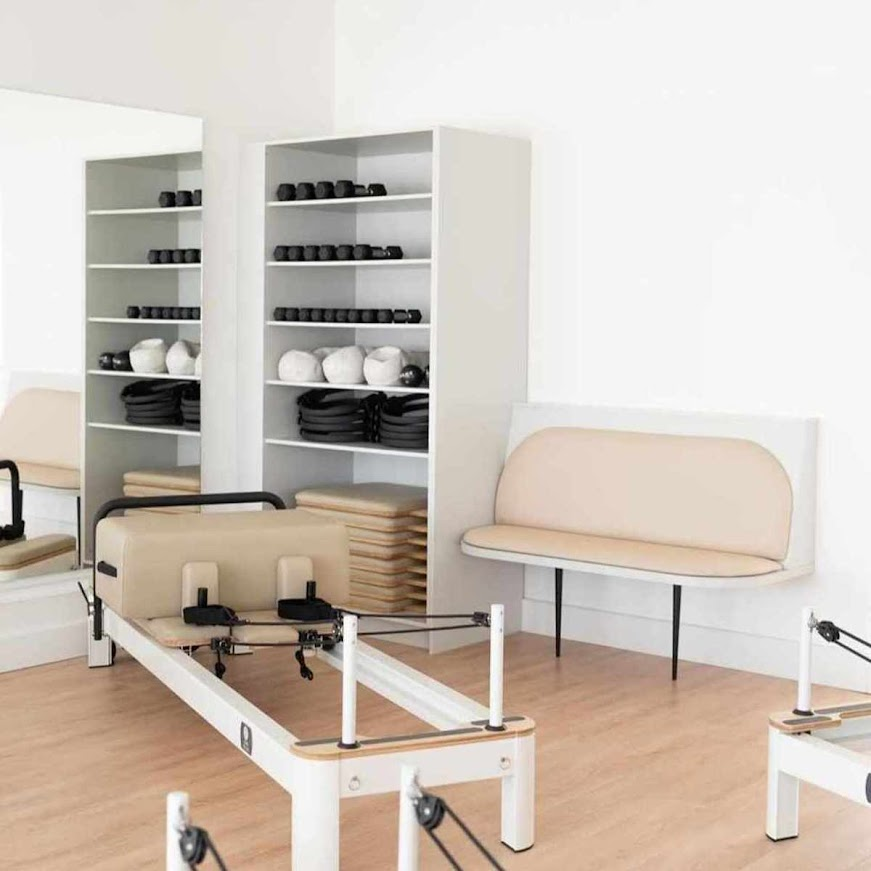
For anyone using Pilates-style spring resistance at home, other quality reformer Pilates accessories can make sessions smoother without changing the training goal. The point is not more gear. The point is fewer excuses and better form.
Where High-Intensity Pilates Style Training Fits
Many people want full-body strength without constant impact. That is why spring-based training has grown, especially in Australia. It offers controlled resistance and a long time under tension. It can feel challenging without heavy joint load.
Some people search for well-known studio machine styles, then look for home alternatives. Sculptformer fits that high-intensity category as an option for people who want a similar training intent. It should still be used with a structured plan, not random hard sessions.
Care matters with wording here. Brand names in this space are trademarks of their owners. The focus should stay on the training need. High effort. Low impact. Clear progression.
The Common Mistakes That Make Home Plans Feel “Incomplete”
A home routine can look complete on paper and still fail in practice. These are the patterns that cause that.
- Too much variety too soon. Progress needs repetition, especially at home.
- No pulling work. Shoulders often ache when upper-back work is missing.
- All sessions feel the same. The body adapts fast when stress never changes.
- No plan for recovery. Fatigue builds quietly, then kills consistency.
- Training through poor form. The body learns bad patterns through repetition.
Fixing these usually makes the plan feel easier overnight.
Final Thoughts
A complete full-body home routine does not need a long exercise list. It needs a weekly rhythm, balanced training priorities, and small progress markers that stay realistic. Keep intensity high, but not chaotic. Keep sessions repeatable, and build from there.
The best home training plan is the one that happens every week. Consistency wins, especially when the structure is simple.