
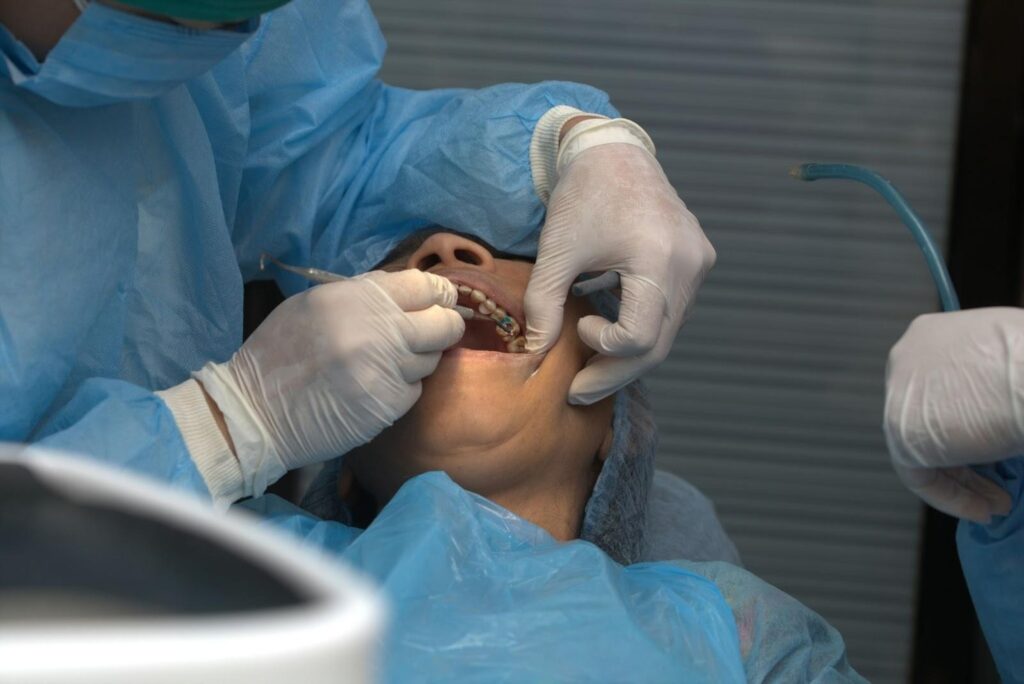
Missing a tooth in your 30s or 40s costs more than money — it accelerates bone loss and raises the long-term price of restoration and oral health problems. Choosing implants early often reduces overall expenses and preserves jaw structure, so acting now can save you both treatment costs and future health complications.
You’ll learn how implant pricing compares to the cumulative costs of inaction, why bone loss speeds up after a missing tooth, and practical steps to protect your smile before complications multiply. This article lays out clear financial and health trade-offs so you can decide whether to invest in implants now or face higher costs and risks later, especially if you are considering dental implants in Woodbury
Understanding Dental Implants and Bone Loss in Your 30s and 40s
Missing teeth can change how your jaw functions, reduce chewing efficiency, and trigger gradual bone loss where the tooth once sat. Early intervention affects implant options, costs, and long-term oral health.
What Happens When Teeth Are Missing
When a tooth is lost, the jawbone around that socket no longer receives the mechanical stimulation from chewing that maintains bone density. You may notice nearby teeth shifting, changed bite alignment, and increased wear on remaining teeth within months to years.
Soft tissue and gum contours also remodel, creating gaps that can trap food and make hygiene harder. These changes raise your risk of gum disease and make later implant placement more complex and costly, because less bone and altered soft tissue often require grafting.
How Bone Loss Progresses With Age
Bone loss after tooth removal starts quickly; most measurable resorption happens in the first 6–12 months and continues at a slower rate thereafter. If you lose multiple teeth or delay replacement, resorption accelerates because larger segments of the ridge lack stimulation.
Systemic factors like smoking, uncontrolled diabetes, and certain medications accelerate resorption and impair healing. Clinically, reduced ridge height and width limit implant diameter and length choices, often forcing more invasive procedures such as block grafts or sinus lifts to rebuild adequate support.
Why Bone Health Declines Faster in Adults Under 50
In your 30s and 40s, lifestyle and medical factors can compound bone loss even though you’re not elderly. High rates of smoking, periodontal disease from inconsistent dental care, and orthodontic history can weaken bone earlier than expected.
Hormonal shifts—especially for women approaching perimenopause—plus chronic inflammation from untreated gum disease increase bone turnover. Acting early preserves native bone, simplifies implant placement, and reduces the need for complex grafting procedures that raise treatment time and cost.
Comparing the Financial Impact: Dental Implants vs. Ignoring Missing Teeth
Acting early reduces long-term costs and preserves jawbone and adjacent teeth. Waiting often converts a single, predictable expense into multiple, escalating treatments.
Breakdown of Dental Implant Costs in Your 30s
In your 30s, a single dental implant (implant body, abutment, crown) typically ranges from $3,000 to $6,000 depending on materials and location. If you need bone grafting or sinus lifts because of early bone loss, expect an additional $300–$2,000 per site.
You usually pay less for preparatory work in this decade because bone quality and quantity are often better. Fewer secondary procedures lower both fees and treatment time, so you face fewer appointments, less time off work, and lower overall indirect costs.
Consider warranties and maintenance: crowns may need replacement every 10–15 years, but the implant body often lasts decades with good hygiene. Financing, insurance coverage, and bundled surgical fees can significantly change your out‑of‑pocket cost; get itemized estimates.
Long-Term Expenses from Delaying Treatment
If you delay, expect progressive costs: adjacent teeth may shift, requiring orthodontics ($3,000–$8,000) or bridgework ($2,000–$5,000 per pontic). Jawbone resorption can necessitate bone grafts costing $500–$3,000 per site later on.
Prolonged tooth loss raises the odds you’ll need full-arch solutions rather than single implants, which increases costs to $20,000–$50,000 for implant-supported bridges or dentures. You also face recurring costs for provisional restorations and higher maintenance visits.
Don’t forget indirect costs: dietary changes, lost productivity from dental appointments, and potential treatment for secondary oral health issues. These cumulative expenses often exceed the earlier cost of a single implant.
Complications and Increased Treatment Costs in Your 40s
In your 40s, untreated missing teeth commonly show greater bone loss and more periodontal disease, which raises surgical complexity and cost. Complex grafting, guided bone regeneration, or staged surgeries add $1,000–$5,000 per procedure.
Existing restorations on adjacent teeth may fail or require replacement to accommodate implants, adding restorative costs of $1,000–$4,000 per tooth. Complication rates (infection, implant failure) increase marginally with delay, leading to revision surgery that can double initial surgical expenses.
Insurance coverage typically remains limited for implants, so delayed, more complex care often means substantially higher out‑of‑pocket spending. Early action in your 30s usually reduces the number and cost of procedures you will face in your 40s.
Long-Term Health Consequences of Ignoring Bone Loss
Untreated bone loss after tooth loss leads to faster jaw shrinkage, functional problems with chewing and speaking, and changes to facial structure and self-image. It also raises the chance of needing more complex, costly treatments later.
Accelerated Bone Deterioration and Facial Changes
When you lose a tooth, the jawbone in that area no longer receives the mechanical stimulation it needs to maintain volume. Bone resorption commonly begins within months and accelerates over the first few years, reducing ridge height and width.
As bone volume drops, adjacent teeth can tilt or drift into the space, making restorations and future implant placement more difficult. You may need bone grafting, sinus lifts, or angled implants to compensate, which increases cost and treatment time.
Facial consequences include shortening of the lower face height and deepening of nasolabial folds. These changes can make your lower face appear collapsed or older than your years. Early implant placement preserves bone and avoids many of these structural changes.
Effects on Oral and Overall Health
Bone loss undermines the support for remaining teeth, raising the risk of tooth mobility and additional tooth loss. You may develop misaligned bites (malocclusion) that increase wear on teeth and strain the jaw joints. Chewing efficiency drops as you lose occlusal surface area, which can lead to dietary shifts away from nutrient-dense foods.
Persistent inflammation around residual teeth or partially healed sites can contribute to periodontal disease progression. Severe tooth loss and poor mastication have been associated with nutritional deficiencies and, in some studies, higher risk markers for systemic conditions such as cardiovascular disease. Addressing bone loss early reduces these downstream health risks and preserves oral function.
This dentist who does high-quality dental veneers in Chelsea NY adds that preventing these structural and systemic complications helps maintain your general vitality and quality of life. By stabilizing your oral environment early, you ensure that simple daily activities—like speaking clearly and enjoying balanced meals—remain comfortable and effortless as you age.
Psychological and Lifestyle Impacts
Missing teeth and changes in facial appearance often affect your confidence and social interactions. You may avoid smiling, public speaking, or close-up photos, which can influence work and personal relationships. These behavioral changes sometimes reduce quality of life and increase stress.
Functional limitations—difficulty eating certain foods, altered speech, or needing removable dentures—impact daily routines and enjoyment of meals. Removable prostheses may require frequent adjustments and can limit food choices, whereas implants restore near-normal function. Investing in early treatment can prevent the longer-term social, dietary, and emotional costs that follow progressive bone loss.
Taking Action Early: Steps to Preserve Your Smile and Health
Act promptly to limit bone loss, preserve neighboring teeth, and reduce long-term costs. Small, timely choices—like scheduling an exam, discussing implant timing, and maintaining oral hygiene—make the biggest difference.
Benefits of Early Intervention
Addressing a missing tooth within months instead of years preserves jawbone volume and reduces the need for bone grafts later. Bone loss accelerates after extraction; placing an implant or using a socket preservation graft soon after extraction helps maintain ridge height and width.
Early treatment also protects adjacent teeth. Gaps allow teeth to drift and bite forces to shift, increasing the risk of fractures, wear, and gum disease. Acting early often shortens overall treatment time and lowers cumulative costs by avoiding complex restorative work.
You gain better long-term function and aesthetics. Timely replacement maintains chewing efficiency and facial support, which can reduce the need for larger prosthetics or multiple corrective procedures down the road.
Options for Tooth Replacement
Dental implants provide the most bone-preserving option. A titanium implant post fuses with bone (osseointegration) and supports a crown; immediate or early implant placement can be possible depending on infection and bone quality.
Fixed bridges replace a missing tooth using adjacent teeth as anchors, but they require altering healthy tooth structure and do not prevent underlying bone loss. Removable partial dentures offer a lower-cost, reversible option suitable as a temporary solution while you plan definitive treatment.
Discuss timing and costs with your dentist: immediate implant placement, delayed implant after healing, or staged approaches using a temporary denture. Ask about grafting, guided bone regeneration, and implant-supported bridges when multiple teeth are missing.
How to Maintain Bone Health After Tooth Loss
Keep up meticulous oral hygiene to prevent periodontal disease, which accelerates bone loss. Brush twice daily with a fluoride toothpaste, clean between teeth once daily with floss or interdental brushes, and follow professional cleaning schedules every 3–6 months as recommended.
Consider lifestyle factors that affect bone: quit smoking, limit heavy alcohol use, and ensure adequate vitamin D and calcium intake. If you have medical conditions (diabetes, osteoporosis) or take medications that affect bone metabolism, coordinate care with your physician and dentist.
If you plan an implant, evaluate bone quality with CBCT imaging. When bone is insufficient, options include socket preservation at extraction, particulate grafting, block grafts, or sinus lifts. Early assessment and intervention often avoid extensive grafting and improve implant success rates.