
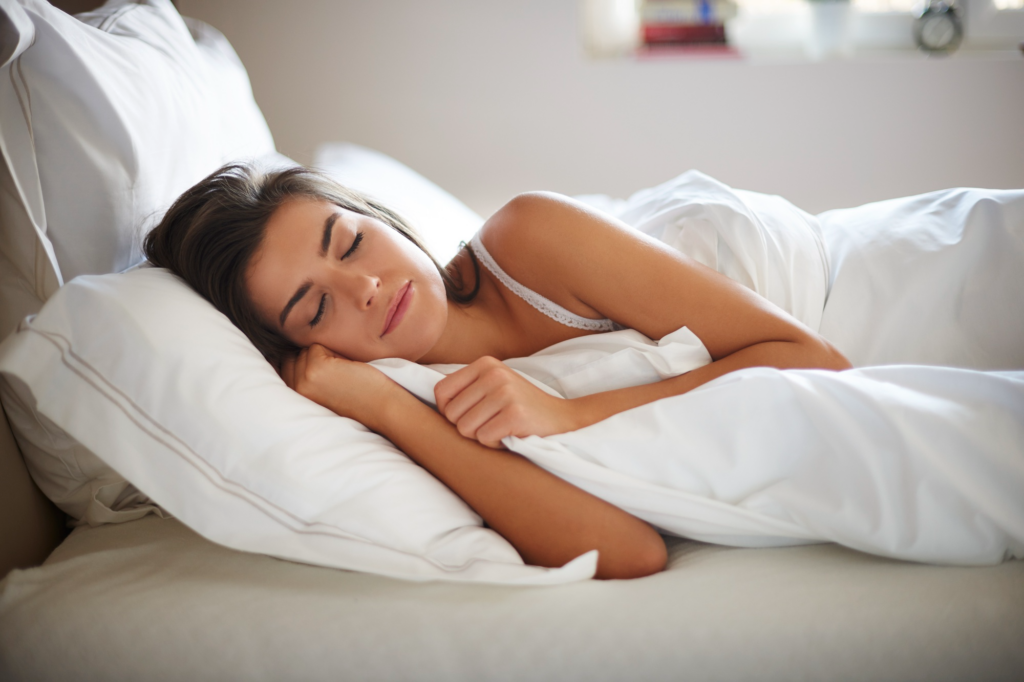
The two hours before bed quietly decide how well you sleep and how alert you feel the next morning. Most people focus on the night itself, when the real lever sits in the runway leading up to it. A consistent wind-down window built around light, food, and entertainment choices that match your body's natural shift toward rest does more for sleep quality than any single supplement or app.
Part of getting it right is choosing the kind of entertainment that fits the slot. Something engaging enough to pull your mind off work, yet contained enough that you can stop on cue. Many people unwind with one live dealer round, such as adventures beyond wonderland live playtech, to have a good time.
The principle holds across every category of evening media. Pick deliberately, and the wind-down stays restful. Default to autoplay, and you donate the next morning to your feed.
Why the Last Two Hours Decide Tomorrow
Sleep architecture starts forming long before your head hits the pillow. Body temperature drops, cortisol falls, and melatonin begins climbing roughly two hours before your usual bedtime, provided the environment cooperates. Bright light, late meals, and high-arousal content can flatten that ramp and push real sleep onset back by 30 to 60 minutes.
The cost adds up. According to the CDC, about 3 in 10 American adults regularly get less than seven hours of sleep, a pattern linked to a higher risk of heart disease, type 2 diabetes, and impaired daytime focus. Most of that gap is built into the wind-down hours rather than during the night itself.
Food and Drink Choices That Protect Sleep
What you consume in those last two hours either supports the melatonin ramp or actively fights it.
- Caffeine has a half-life of around five hours, so a 4 p.m. coffee still carries a meaningful stimulant load at 10 p.m
- Alcohol speeds sleep onset but fragments REM, leaving you groggy even after a full eight hours
- Heavy or spicy meals within two hours of bed slow gastric emptying and raise core temperature, both of which suppress melatonin
- A small carbohydrate-and-protein snack like Greek yogurt or a banana with nut butter helps if you go to bed hungry, since strong hunger raises cortisol and disrupts sleep onset.
Light, Screens, and What Your Brain Actually Registers
The issue at night is less about screens themselves and more about the light spectrum combined with the kind of content running on them.
|
Choice |
Sleep impact |
Better swap |
|
Overhead white light |
Strongest melatonin suppression |
Warm lamps below eye level |
|
Phone with feed apps |
High arousal, unpredictable pacing |
E-reader or downloaded show |
|
Action film or sports finale |
Adrenaline spike close to bed |
Slower-paced drama or documentary |
|
Bright kitchen at 11 p.m. |
Resets circadian rhythm |
Dim mode 90 minutes before bed |
The pattern across every row is the same: swap a high-arousal cue for one your brain reads as evening rather than midday.
Picking Entertainment You Can Actually Stop
The distinction that matters most is between stimulating content and engaging but low-arousal content. Both hold attention, but only one lets you off when the slot ends.
- Choose formats with clean endpoints, such as one episode, a defined match, or a single round of a structured game
- Avoid infinite-feed apps and autoplay rails once the wind-down window starts
- Watch your dopamine response; if the content has you reaching for snacks or refreshing tabs, it is wrong for the slot.
A Simple Two-Hour Template
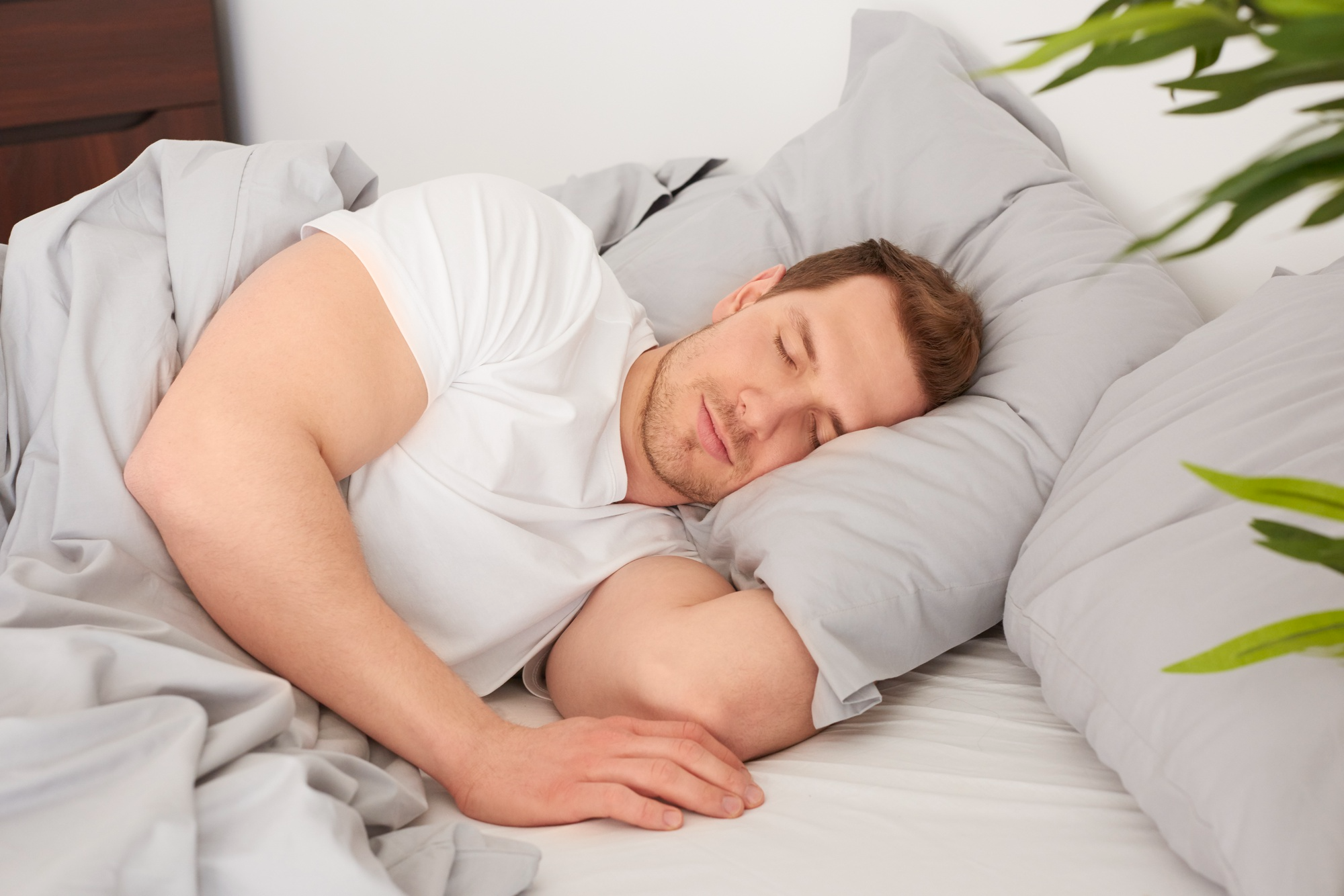
The aim is a routine your brain learns to recognize as the off-ramp rather than another decision to negotiate every night.
- T-120 minutes: last full meal done; caffeine, alcohol, and intense exercise off the table
- T-90 minutes: dim overhead lights, switch to warm lamps, set your phone to night mode
- T-60 minutes: one contained piece of entertainment, and stop when it ends
- T-30 minutes: light reading, stretching, or a short bathroom routine; bedroom cool, dark, and quiet.
A planned wind-down protects both sleep and the parts of evening life that make the day worth ending well.