
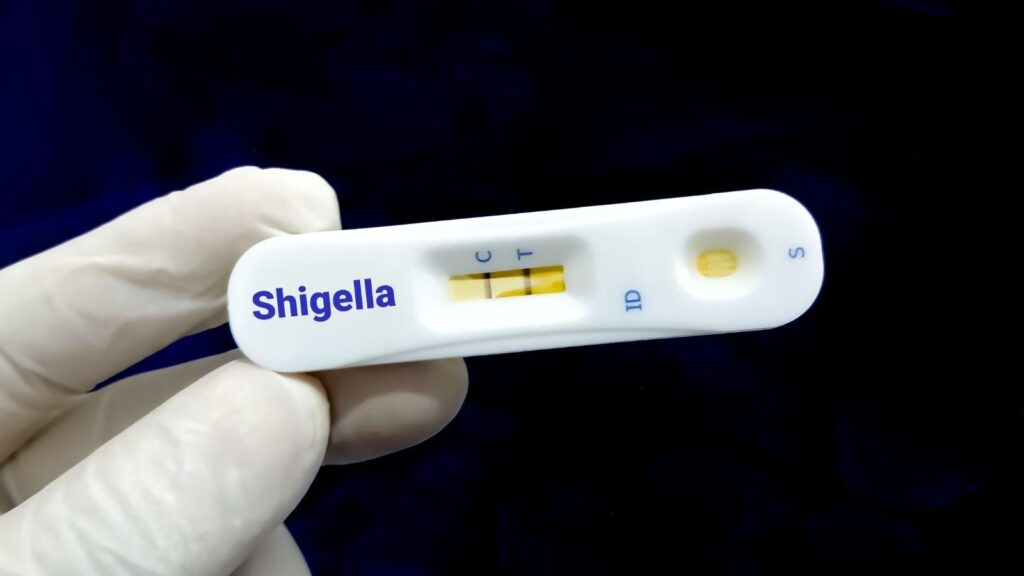
A confirmed Shigella diagnosis can bring relief because the illness finally has a name. It can also create new concerns. Shigella is highly contagious, can cause painful diarrhea and fever, and may spread quickly in households, childcare settings, schools, workplaces, restaurants, and group environments.
Once the diagnosis is confirmed, the next steps matter. The person who is sick needs to protect their health, reduce the risk of spreading the infection, preserve medical records, and document possible exposure sources. When the illness is serious or linked to unsafe food, contaminated water, or an outbreak, a Shigella infection lawyer may help review the diagnosis, exposure history, and harm caused by the infection.
1. Follow the Medical Treatment Plan
A confirmed diagnosis should be followed by clear medical guidance. Some people recover with rest, fluids, and careful monitoring. Others may need medication, especially if symptoms are severe, prolonged, or the patient is at higher risk.
Patients should follow their provider’s instructions about hydration, food, medication, and follow-up care. They should also ask what symptoms require urgent attention. Worsening diarrhea, bloody stool, high fever, dehydration, confusion, severe weakness, or intense abdominal pain may require additional care.
2. Take Hydration Seriously
Diarrhea can cause fluid loss quickly. Even if the infection is expected to improve, dehydration can make the illness more dangerous. Water, oral rehydration solutions, broth, or other provider-approved fluids may help replace what the body loses.
Warning signs of dehydration include dizziness, dry mouth, dark urine, little urination, rapid heartbeat, weakness, and feeling faint. In children, signs may include fewer wet diapers, crying without tears, sunken eyes, or unusual sleepiness. If dehydration appears, medical care should not be delayed.
3. Ask Before Taking Anti-Diarrheal Medicine
People often want diarrhea to stop as quickly as possible. However, some medicines that slow bowel movement may not be appropriate for Shigella, especially when there is bloody diarrhea or fever.
Patients should ask a medical provider before taking over-the-counter anti-diarrheal medication. The wrong medication may make symptoms worse or interfere with recovery. It is safer to follow medical guidance rather than trying to manage a confirmed bacterial infection alone.
4. Prevent the Infection From Spreading
Shigella spreads easily through tiny amounts of contaminated stool. Careful hygiene is important after diagnosis. Frequent handwashing with soap and water is one of the most important steps, especially after using the bathroom, changing diapers, cleaning surfaces, or helping a sick child.
Bathrooms, doorknobs, faucets, toilet handles, phones, counters, and shared surfaces should be cleaned regularly. Sick people should avoid preparing food for others while symptoms continue. Parents and caregivers should follow daycare, school, workplace, or health department instructions about when it is safe to return.
5. Save Medical Records and Test Results
A confirmed diagnosis creates important documentation. Patients should save stool test results, doctor notes, emergency records, prescriptions, discharge papers, lab reports, and follow-up instructions. These records can show what pathogen was identified and how serious the illness became.
It may also help to keep a symptom log. Write down when symptoms began, how long diarrhea lasted, whether fever occurred, when medical care was sought, and when symptoms improved. This information can help explain the full course of the illness.
6. Write Down Possible Exposure Sources
After diagnosis, it is helpful to create a detailed exposure timeline. Include meals, snacks, restaurants, catered events, travel, swimming, childcare settings, school contact, workplace exposure, and contact with anyone who had diarrhea.
Because Shigella can spread through food, water, surfaces, or person-to-person contact, the source may not be obvious right away. A written timeline can help doctors, public health officials, or investigators compare symptoms and possible exposures.
7. Report the Illness When Appropriate
A confirmed Shigella diagnosis may need to be reported to public health officials, especially if the illness may be linked to a restaurant, daycare, school, workplace, event, contaminated water, or multiple sick people. In some situations, the healthcare provider or laboratory may already report it, but patients can still cooperate with any follow-up questions.
Health officials may ask about food history, symptom timing, travel, childcare, work duties, and others who are sick. Save complaint numbers, emails, forms, or notes from calls. Reporting may help identify a larger outbreak and protect others from exposure.
8. Preserve Food and Purchase Records
If food may be the source, save anything that can help identify it. This may include receipts, food packaging, delivery records, menus, leftovers, photos, loyalty card records, credit card statements, and restaurant details.
Do not eat suspected leftovers again. If food is saved, it should be sealed and stored safely. Packaging may contain lot numbers, expiration dates, barcodes, or supplier details that could help trace a contaminated product.
9. Keep Track of Missed Work and Expenses
A Shigella infection can disrupt daily life. A person may miss work, lose income, need childcare, cancel travel, pay for medical care, buy medication, or require help at home.
These losses should be documented. Save pay records, employer notes, bills, receipts, insurance statements, and transportation costs. If the illness caused hospitalization or long recovery, these records can help show the financial impact.
10. Watch for Lingering Problems
Most people improve after an infection, but some symptoms may last longer than expected. Ongoing problems should be discussed with a medical provider, including:
- Ongoing diarrhea: Symptoms that continue or return may need follow-up care.
- Stomach pain: Persistent cramping or abdominal discomfort should not be ignored.
- Weakness or fatigue: Lingering exhaustion may affect daily activities and recovery.
- Dehydration: Continued fluid loss can become serious without treatment.
- Joint pain: New or lasting joint problems may develop after some infections.
- Repeated flare-ups: Symptoms that improve and then return may signal a longer recovery.
Follow-up records can help show whether the infection caused lasting problems and whether additional treatment was needed.
When a Diagnosis Becomes a Call to Act
A confirmed Shigella diagnosis should not be treated as the end of the matter. It is the point where the person can take informed steps to protect health, prevent spread, and preserve important evidence.
Following medical advice, staying hydrated, avoiding risky medication choices, practicing careful hygiene, saving records, documenting exposure, and reporting concerns can all make a difference. When Shigella causes serious harm, these steps help show how the illness began, how severe it became, and whether a preventable source was responsible.