
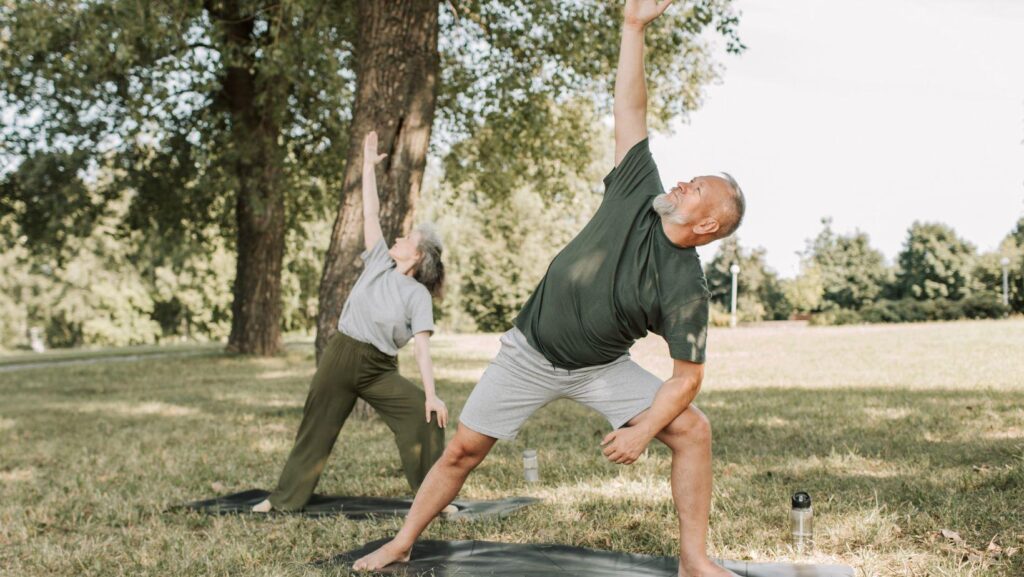
When people think about wellness, the conversation usually starts with familiar advice: eat nutritious food, exercise regularly, get enough sleep, and manage stress. These habits are important, but overall health is more complicated than a healthy meal plan and a weekly workout routine. Some parts of the body receive surprisingly little attention until a problem becomes noticeable, and vein health is one of them.
The circulatory system works continuously, moving blood throughout the body and helping deliver oxygen and nutrients while carrying waste products away from tissues. The veins in the legs have a particularly demanding job because they have to return blood toward the heart while working against gravity.
When the veins are not functioning efficiently, a person may experience symptoms that seem unrelated to circulation at first. Aching legs, swelling around the ankles, heaviness, itching, or fatigue after standing can sometimes be associated with venous problems. Understanding this connection can add another useful dimension to the way people think about long-term wellness.
For people in Central Florida, those experiencing recurring symptoms can see a board-certified vein doctor in Apopka for a professional evaluation. Florida Vein Care Specialists' Apopka location states that its clinic provides vein evaluations with board-certified doctors and treats conditions including varicose veins, spider veins, and chronic venous insufficiency.
Wellness Is More Than Exercise and Diet
Exercise and nutrition are often treated as the foundation of good health, and for good reason. Regular physical activity supports cardiovascular health, muscle fitness, sleep, mental health, and the ability to perform everyday activities. Current CDC guidance recommends that most adults aim for at least 150 minutes of moderate-intensity physical activity each week, along with muscle-strengthening activities on at least two days.
But being physically active does not automatically mean every aspect of the body is functioning optimally.
Someone can maintain a balanced diet and still develop varicose veins or chronic venous problems. Likewise, a person who exercises regularly may notice leg heaviness or swelling after long periods of standing or sitting. Wellness is therefore better understood as a collection of interconnected systems rather than a single checklist.
Vein health belongs in that broader picture because healthy circulation supports comfortable movement and can affect how the legs feel during everyday activities.
Why the Veins in Your Legs Matter
The circulatory system has two major pathways. Arteries carry blood away from the heart, while veins return blood toward it. In the legs, veins have to move blood upward against gravity.
Small valves inside the veins normally help keep blood flowing in the correct direction. The muscles surrounding the veins also contribute to this process. When the legs move, muscle contractions can help push blood upward.
Problems can arise when the valves become weakened or do not close properly. Blood may flow backward and collect in the lower legs, increasing pressure within the veins. This process is commonly associated with venous reflux and can contribute to symptoms such as swelling, aching, heaviness, and leg fatigue.
These symptoms are not proof of vein disease by themselves. Leg discomfort can have many causes, including muscle strain, joint problems, nerve conditions, medication effects, and other health issues. However, recurring symptoms deserve attention rather than being automatically dismissed as normal tiredness.
The Hidden Impact of Prolonged Sitting and Standing
Modern routines can make vein health more relevant than many people realize. Office workers may spend most of their day sitting at a desk, while nurses, teachers, retail employees, restaurant workers, and other professionals may spend hours standing.
Neither sitting nor standing is automatically unhealthy. The concern is prolonged inactivity or remaining in the same position for extended periods.
Movement gives the leg muscles opportunities to assist blood circulation. When the body stays still for hours, that natural muscle activity decreases. Long periods of standing can also increase pressure in the veins of the lower legs.
This is one reason a person may finish an ordinary workday with legs that feel unusually heavy or tired even though they have not completed a demanding workout.
Regular movement breaks can be a simple way to change the pattern. Walking briefly, shifting positions, moving the ankles, and avoiding unnecessarily long periods of inactivity can help keep the legs active throughout the day.
How Vein Health Can Influence Physical Activity
There is an interesting relationship between vein health and exercise. Physical activity can support circulation, but uncomfortable legs can also make people less willing to stay active.
Imagine someone who regularly experiences aching or heaviness in the legs after a day at work. They may still want to walk in the evening, go hiking on weekends, or exercise at the gym, but discomfort can gradually make those activities less appealing.
Over time, this can create a cycle. Less movement means fewer opportunities for the leg muscles to assist circulation, while persistent symptoms continue to make activity feel difficult.
This does not mean people with vein problems should simply exercise harder. Exercise plans should reflect a person's health, symptoms, fitness level, and medical guidance. The goal is sustainable movement rather than pushing through significant discomfort.
Recognizing Symptoms That Should Not Be Ignored
Some vein-related symptoms are easy to overlook because they develop gradually.
A person may notice that their legs feel heavier toward the end of the day. Shoes or socks may leave deeper marks around swollen ankles. Visible veins may become more prominent, or the skin around the lower legs may begin to look different.
Other possible symptoms include aching, throbbing, itching, burning sensations, cramping, or a feeling of fatigue in the legs.
Again, these signs do not automatically mean someone has chronic venous disease. What matters is the pattern. Symptoms that repeatedly occur, become more noticeable, or interfere with walking, work, exercise, sleep, or other normal activities are worth discussing with a healthcare professional.
A proper evaluation can help determine whether the symptoms are related to the veins or whether another explanation should be considered.
Why Early Attention Can Be Useful
People sometimes wait until a health problem becomes severe before seeking professional advice. With vein concerns, that approach may mean spending a long time adapting daily activities around symptoms.
An evaluation provides an opportunity to understand what is actually happening. Depending on the situation, a healthcare professional may review medical history, examine the legs, and use diagnostic imaging such as duplex ultrasound to evaluate blood flow.
The purpose is not simply to identify visible varicose veins. A deeper assessment can help determine whether there is an underlying venous problem and whether treatment or monitoring is appropriate.
What a Comprehensive Approach to Wellness Looks Like
Good health rarely comes from one habit. A person can eat well but remain sedentary. Someone else may exercise consistently but ignore persistent symptoms. Another person may sleep enough but spend most of the working day in one position.
A more complete approach considers how different habits interact.
Regular movement supports cardiovascular and muscular health. A nutritious diet provides the body with the nutrients it needs. Adequate sleep supports recovery and mental well-being. Preventive healthcare can identify problems before they become more disruptive.
Vein health fits naturally into this picture.
Paying attention to recurring leg symptoms is another form of preventive awareness. It does not mean assuming the worst whenever the legs feel tired. Instead, it means recognizing when a recurring pattern deserves professional attention.
Simple Habits That Support Healthy Legs
For many people, supporting leg health begins with avoiding long periods of inactivity whenever practical. A desk worker might stand up and walk around periodically instead of remaining seated for several uninterrupted hours. Someone who works on their feet can look for opportunities to change position and take appropriate rest breaks.
Regular walking can also be a practical form of movement. It does not need to be an intense workout to be useful. Even smaller amounts of physical activity are preferable to complete inactivity, and activity can be divided into manageable portions throughout the day.
Maintaining a healthy weight, staying hydrated, avoiding tobacco, and following recommendations from healthcare professionals can also contribute to broader cardiovascular and circulatory health.
However, lifestyle habits should not be viewed as a substitute for medical care when persistent symptoms are present.
Modern Vein Care Is Not Just About Appearance
Varicose and spider veins are often discussed as cosmetic concerns, but vein problems can involve more than appearance.
Some people seek evaluation because they dislike the appearance of prominent veins. Others are more concerned about aching, swelling, heaviness, or changes in how their legs feel during the day.
Modern vein care can include minimally invasive procedures for certain conditions. Treatment options vary depending on the underlying problem, the veins involved, a person's medical history, and the findings from an evaluation.
Florida Vein Care Specialists states that its Apopka clinic provides minimally invasive treatment options and care for chronic venous insufficiency and varicose veins.
The important consideration is not choosing a particular treatment based on advertising or assumptions. A qualified evaluation should come first so that the underlying issue can be understood and appropriate options can be discussed.
Listening to What Your Body Is Telling You
One of the simplest ideas in preventive health is also one of the easiest to forget: recurring changes in the body deserve attention.
Legs that occasionally feel tired after an unusually active day are not necessarily a concern. But if heaviness, swelling, aching, or fatigue keeps returning without an obvious explanation, it may be worth discussing those symptoms with a healthcare professional.
The earlier a person understands the possible cause, the easier it can be to make informed decisions about lifestyle, monitoring, and treatment when necessary.
Wellness is not about eliminating every minor discomfort. It is about understanding your body well enough to recognize when something has changed.
Conclusion
Exercise and diet will always be important parts of a healthy lifestyle, but they are not the entire story. Vein health is another piece of the wellness puzzle, particularly for people who experience recurring leg heaviness, swelling, aching, or fatigue.
The veins in the legs work against gravity every day, and healthy movement helps support normal circulation. At the same time, persistent symptoms should not simply be blamed on a busy schedule, aging, or a lack of fitness.
A balanced approach to wellness means staying active, eating well, getting appropriate rest, and paying attention to changes in the body. When leg symptoms become persistent or disruptive, professional evaluation can help determine whether a venous condition is contributing to the problem.
Ultimately, taking care of vein health is not just about having healthier-looking legs. It is about supporting comfortable movement, maintaining daily independence, and giving yourself the best opportunity to stay active throughout the years.