
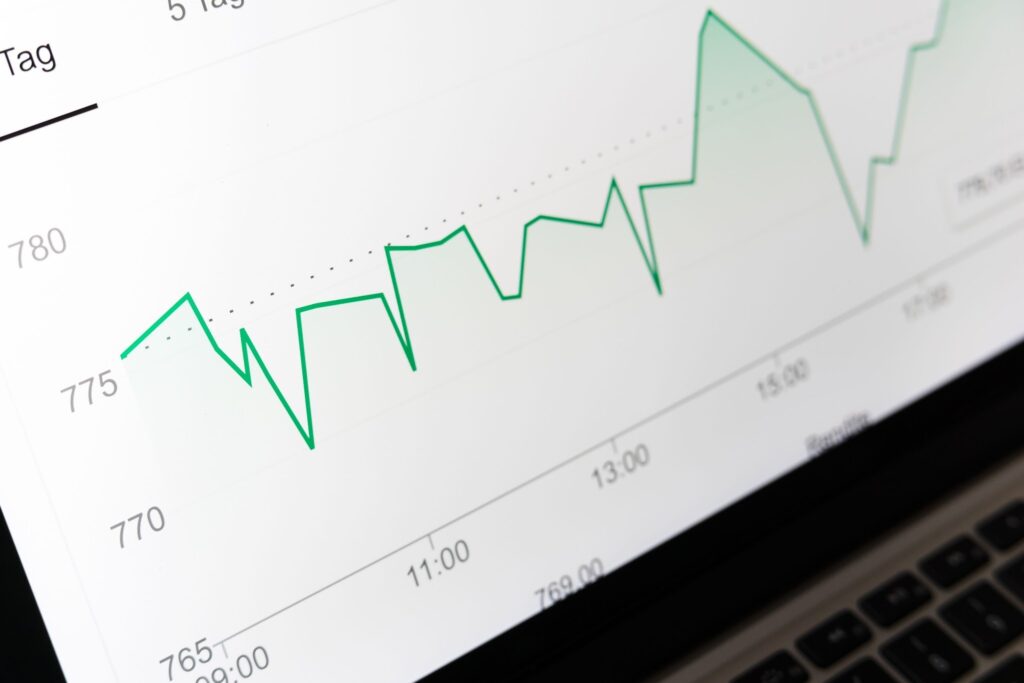
Betting and trading both ask people to act before they know whether they are right. One person might be checking odds before a match; another might be watching options volume before the market opens. The screens look different, but the pressure is close enough.
In 2026, the hard part is not finding information. There is too much of it. The useful work is slower: choosing better sources, writing decisions down and noticing when confidence has started to look like chasing. The aim is not to encourage more betting or trading, but to build better habits around decisions that already carry risk.
Strategy Starts Before the Bet or Trade
Busy markets can make activity look like skill, especially when every app, feed and chart seems to invite another quick decision. The American Gaming Association reported that U.S. sports betting revenue reached $1.49 billion in April 2026, up 21.1%, with handle at $13.39 billion. On the trading side, OCC reported 15.207 billion options contracts in 2025, up 24.4% from the previous year.
Both markets are busy. That does not make every busy person skilled. A better strategy usually starts before money is placed, with basic questions that are easy to skip when the screen is moving fast. What is the reason for the bet or trade? What information matters? How much can be lost without changing the next decision? What would prove the idea wrong?
A person who cannot answer those questions is not really using a strategy. They are reacting.
Stop Taking Lessons From the Loudest Feed
Social media makes betting and trading feel more urgent than they are. Someone is always posting a pic, a chart, a “lock,” a huge win, or a missed opportunity. The format rewards confidence, not careful thinking.
FINRA’s work on social media-influenced investing found that investors relying on social media for financial advice showed a 72% likelihood of taking on risky investments. A short clip can show a result without showing the position size, the losing trades, the assumptions, or the risk someone took to get there.
The same problem shows up in betting content. A useful source explains the method; a weak one just sells certainty. Before trusting a tip, it is worth asking what is actually being shown: research, entertainment, affiliate content, or hindsight.
Keep a Record Before Trusting Your Instincts
Instinct feels sharper when memory is selective. People remember the big win, the trade they nearly took and the bet that lost by one point. They forget the rushed entries, poor sizing and times they ignored their own rules.
A simple record helps and it does not need to become another complicated system. A notebook, spreadsheet, or notes app can work.
A betting or trading journal should capture the following:
- why the decision was made
- stake or position size
- expected risk
- result
- what changed afterwards
The last point matters most. If nothing is learned afterwards, the record becomes decoration. The goal is not to prove every decision was smart; it is to review decisions when the emotional heat has passed.
Promotions Are Not a Strategy
Promotions can change the starting conditions, but they should not become the plan. Information from Covers tracks sportsbook promos, odds and offer terms, so it works here as a source for the mechanics of a Stake-related promotion, not as a recommendation. Its Stake page lists the COVERSBONUS code, a deposit-match offer for Stake.com, a minimum deposit and a 40x playthrough requirement, while also separating Stake.us sweepstakes-style terms.
That is why the offer page is worth reading slowly. A bonus may sound simple in the headline, but the details decide the real value: eligibility, location rules, deposit size, playthrough, expiry and whether the promotion applies to sports betting, casino play, or a sweepstakes product.
For someone trying to improve, the promo is not the lesson. The rules are. No offer replaces bankroll limits, research, or the ability to walk away.
Learn the Difference Between Risk and Chasing
Risk is planned before the decision. Chasing happens after the result hurts. A 2025 Journal of Gambling The study’s paper analyzed real records from 36,331 online sports bettors and 34,596 daily fantasy sports players to study loss chasing and gambling harm. Traders can fall into a similar pattern after a bad entry, adding more money because they want the first decision to be right.
A useful rule is to set limits before the session starts: maximum stake, maximum loss, maximum number of decisions and a stop point after a strong emotional reaction. If those limits only appear after losing, they are easier to bend.
Sometimes the useful move is just stopping before the next decision is about pride.
Build a Weekly Review Routine
More opinions are easy to collect; review is harder. Once a week, choose one bet or trade and look at it cold. Was the reasoning clear? Was the size sensible? Did the decision follow the plan? Did the result change the lesson, or only the mood?
After that, remove one weak source, study one concept properly and set one limit for the next week. It is small, but it gives the week a shape.
The uncertainty stays. The difference is that the next decision is not floating on mood alone.