
You want a solution that feels secure, fits your budget, and lasts. For most people, dental implants offer the best long-term stability and comfort, while snap-in dentures give a lower-cost, removable option that improves over traditional dentures.
This post compares how each option affects chewing, jaw health, daily care, and cost over time so you can weigh immediate needs against future value. Expect clear comparisons on stability, comfort, maintenance, and which choice likely gives you the most lasting benefit.
Comparing Dental Implants and Snap-In Dentures
You will see how each option differs in what it is, how it’s placed, and what materials make it work. The points below focus on the facts that matter for comfort, stability, and care.
Definition and Overview
Dental implants are titanium posts surgically placed into your jawbone to act like tooth roots. A crown, bridge, or denture attaches to the implant to restore one or more teeth. Implants fuse with bone (osseointegration), so they feel and function much like natural teeth.
Snap-in dentures (also called overdentures) are removable prostheses that clip onto two to four implants or attachments. They sit on the gums but lock into place for extra stability. You remove them for cleaning, and they usually cost less up front than a full arch of fixed implants.
Key differences: implants can be fixed or support single crowns; snap-in dentures are designed to be removable. Implants better preserve jawbone over time. Snap-in dentures improve stability compared with traditional plates but do not match the bite strength of fixed implants.
Procedure and Placement Process
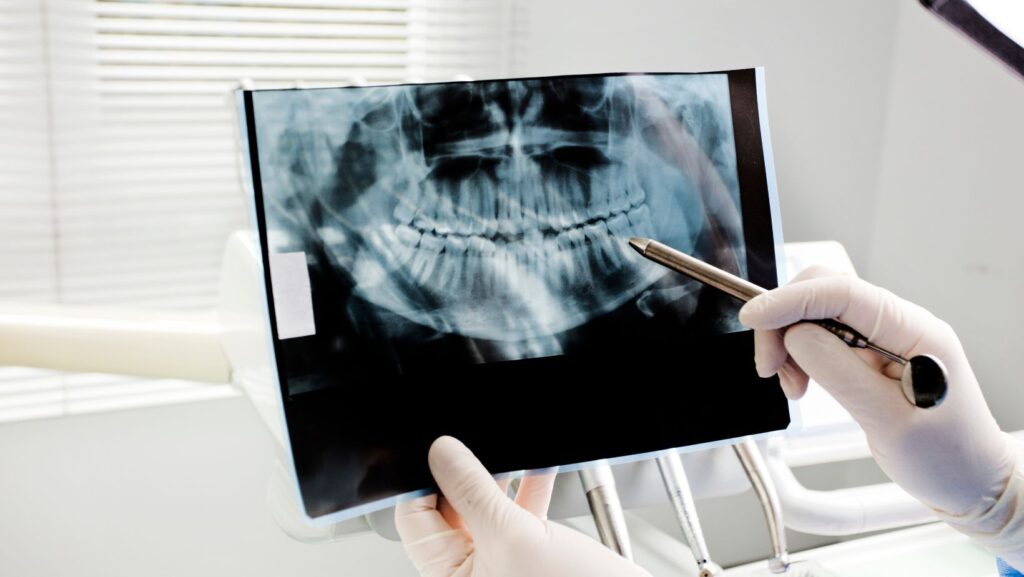
For implants, you first get imaging (X-rays or CBCT) to plan placement and check bone volume. Your dentist or oral surgeon places the titanium post into the jaw under local anesthesia. You wait several months for bone to fuse, then receive an abutment and a final crown or bridge. Multiple visits and healing time are typical.
Snap-in dentures start with placement of a smaller number of implants or locator attachments. After healing, the denture base is modified with snaps or housings that clip onto the attachments. The process needs fewer implants and less time than full fixed-implant restorations. You still need follow-up adjustments for fit and wear.
Both require exams, scans, and periodic maintenance. Bone grafts or sinus lifts may be needed for either if you lack sufficient bone.
Materials and Technology Used
Implant posts are almost always titanium or titanium alloy because these bond well with bone and resist corrosion. Abutments use titanium, zirconia, or gold alloys. Final restorations use porcelain, zirconia, or high-grade acrylic for strength and a natural look.
Snap-in dentures combine implant attachments (titanium locators or bars) with a denture base made from acrylic resin. Teeth on the denture are usually acrylic or composite. Attachment systems include ball, locator, or bar types; each offers different retention levels and maintenance needs.
Digital planning (CBCT, CAD/CAM) guides implant placement and designs custom abutments or bars. That technology improves fit, reduces chair time, and helps predict outcomes for both implant-supported and snap-in denture solutions.
Stability and Comfort Factors
You will learn how each option holds in your mouth, how well you bite and chew, how speech is affected, and what daily wear feels like. The details below focus on real differences that matter to daily life.
Implant Stability Versus Snap-In Retention
Dental implants anchor directly into jawbone using titanium posts. That bone-level support keeps the crown or fixed bridge from moving, so your teeth stay in place during talking and eating.
Snap-in dentures attach to implants with ball or bar attachments but remain removable. They reduce slipping compared with regular dentures, yet the denture base still rests on your gums and can shift a little when you bite something hard.
If you want near-permanent stability, fixed implants provide it. If you prefer a removable option with improved retention over traditional dentures, snap-in gives a balance of stability and removability.
Bite Force and Functionality
Implants restore much more of your natural bite force because the load transfers to bone. You can bite firmer foods — like apples or steak — with less fear of the tooth or prosthesis moving.
Snap-in dentures improve chewing compared to traditional dentures, but they usually deliver lower bite force than fixed implants. The denture base absorbs some chewing pressure, which limits efficiency for tough or sticky foods.
Think about the foods you want to eat. If strong chewing matters, implants give greater long-term function. If you avoid hard foods, snap-in can work well and still boost confidence.
Impact on Speech and Chewing
Fixed implants sit like natural teeth, so they interfere less with tongue movement and pronunciation. Most people notice clearer speech within days to weeks after placement.
Snap-in dentures have a denture flange and gum surface that can affect how your tongue hits sounds. You may need practice to speak clearly, especially with s, sh, and f sounds. Adjustments to the denture shape can help.
Chewing patterns change too. Implants let you bite evenly across the arch. With snap-ins, you might favor softer or smaller bites until you adapt.
Daily Wear Experience
With fixed implants, you clean around crowns and under bridges with floss, brushes, or water flossers. You treat them like natural teeth, and you never remove them for sleep unless a specific prosthesis requires it.
Snap-in dentures require daily removal for cleaning. You will clean the denture surface and the attachment components, and you may need periodic relines as gums change shape. Overnight soaking prevents warping and helps hygiene.
Comfort varies by person. Implants avoid gum pressure from a denture base, reducing sore spots. Snap-ins reduce movement but can still cause gum soreness or require adjustments over time.
Long-Term Value and Maintenance
You will weigh trade-offs between upfront cost, day-to-day care, and how long the solution lasts. Expect implants to need less routine replacement but more involved surgery, while snap-in dentures lower initial cost but may need adjustments and replacements over time.
Durability and Longevity
Dental implants are titanium posts fused to bone. That bond often lasts decades when you keep good oral hygiene and get routine checkups. Individual crowns or bridges on implants may need replacement every 10–20 years, but the implant body itself commonly remains stable much longer.
Snap-in dentures rely on a small number of implants or attachments and an acrylic denture. The denture base and teeth wear faster than implant crowns. Expect denture relines, rebases, or replacement every 3–8 years depending on wear, bite changes, and bone loss.
Maintenance Requirements
Implants need daily brushing and flossing like natural teeth. You should also use interdental brushes or water flossers around implant crowns and visit your dentist every 3–12 months for exams and professional cleaning. Periodic X-rays check bone health around implants.
Snap-in dentures require cleaning the denture every day and removing it at night unless advised otherwise. You must clean the attachment housings and implant posts to prevent buildup. Dentures need routine relines to maintain fit as your jawbone changes.
Potential Complications
With implants, the main risks include infection (peri-implantitis), implant loosening, and implant failure during healing. Smoking, uncontrolled diabetes, or poor oral hygiene raise these risks. Early detection and treatment can often save an implant.
Snap-in dentures can cause sore spots from movement, food trapping around attachments, and faster bone resorption under the denture base. Attachment wear can lead to loosening and more frequent office visits for replacement of nylon inserts or capsules.
Cost Considerations Over Time
Upfront, implants cost significantly more per tooth or per arch than snap-in dentures. You pay more for surgery, parts, and lab work. Over 10–20 years, implants often prove more cost-effective because you replace parts less frequently and preserve bone, which reduces future reconstruction costs.
Snap-in dentures save money at first but incur recurring costs: denture repairs, relines, new overdentures, and replacement of attachment components. When you add office visits, materials, and the possibility of earlier full replacement, lifetime costs can approach or exceed implants depending on your maintenance and health.