
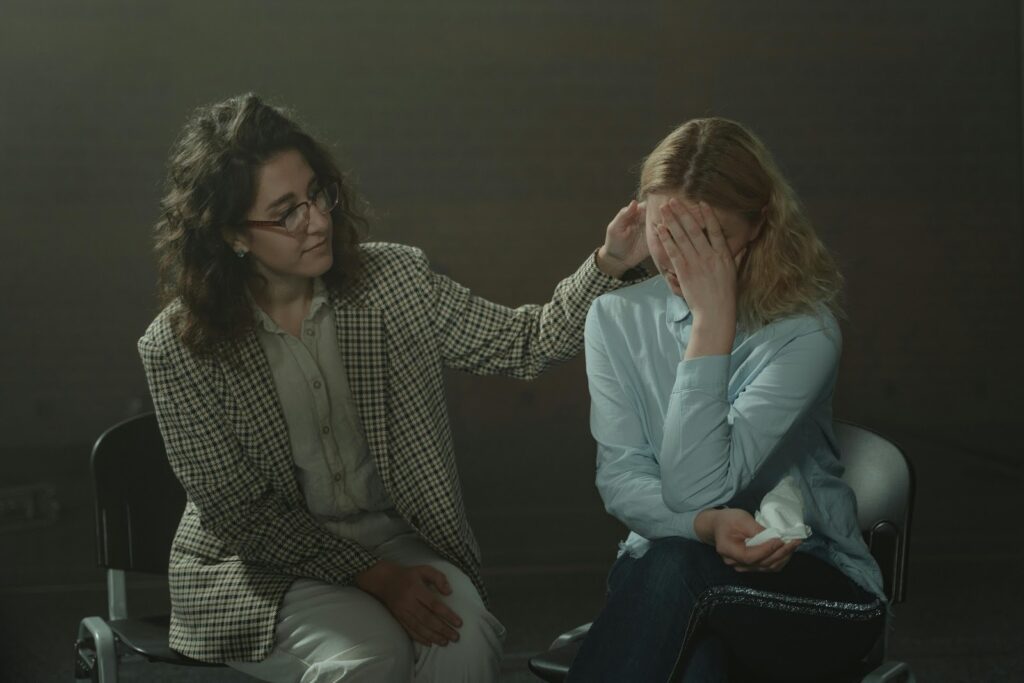
Higher education in mental health counseling is increasingly accessible to adult learners balancing busy lives. Online programs offer flexible paths to develop skills that support both personal growth and professional advancement.
Mental health awareness has grown significantly in recent years, highlighting the need for trained professionals who can respond to diverse emotional and psychological challenges. For adults seeking career advancement or personal enrichment, online education in counseling offers an adaptable, practical way to gain credentials while managing daily responsibilities. These programs combine theoretical knowledge with hands-on learning strategies, preparing learners to make meaningful contributions in both professional and personal contexts.
Bridging Knowledge and Practice in Mental Health Counseling
One of the central benefits of pursuing mental health counseling education is the direct connection between knowledge and practical application. Coursework is designed to help learners understand human behavior, psychological assessment and evidence-based therapeutic approaches. By engaging with case studies, interactive exercises and scenario-based learning, you can develop critical thinking skills that are immediately applicable in real-world settings.
Learners also explore topics such as crisis intervention, ethical decision-making and treatment planning, building the tools necessary to respond to complex mental health issues. Programs emphasize adaptability, ensuring that graduates can effectively integrate theory into practice, whether they are providing one-on-one counseling, supporting group sessions, or collaborating with interdisciplinary healthcare teams.
Addressing America’s Growing Mental Health Challenges
The United States faces significant mental health challenges, including rising rates of anxiety, depression, substance use disorders, and stress-related conditions. Despite the increasing demand for mental health services, there remains a shortage of qualified professionals able to provide comprehensive care.
Flexible online programs equip you with the skills to address these gaps. For instance, graduates can support underserved communities, help manage chronic mental health conditions and assist individuals navigating trauma or life transitions. By preparing professionals to meet these urgent needs, such programs help reduce strain on healthcare systems and improve overall public wellbeing. Programs like masters clinical mental health counseling online provide learners with an accelerated path to competence, allowing them to step into critical roles more quickly.
Flexible Learning Paths for Busy Adult Learners
A key advantage of online mental health counseling programs is their adaptability for adult learners with complex schedules. Many students juggle work, family and personal responsibilities, making traditional campus-based learning difficult. Online formats provide asynchronous coursework, recorded lectures and virtual discussion forums, allowing learners to progress at their own pace.
In addition, many programs offer platforms for you to connect with peers for support, collaboration and discussion. These tools, sometimes integrated with the university’s learning management system or using standard social media-style interfaces, help learners build a sense of community, share experiences and receive encouragement throughout their coursework.
This flexibility also encourages reflection and application. Learners can immediately implement concepts learned in class into personal and professional settings, reinforcing retention and understanding. For adults who require a balance between career development and daily commitments, online education ensures that professional growth does not come at the expense of personal stability or wellbeing.
Applying Counseling Skills to Everyday Life and Relationships
The value of mental health counseling education extends beyond professional contexts. By learning about human behavior, communication strategies and coping mechanisms, students can enhance their own relationships, emotional awareness and conflict resolution abilities.
Beyond understanding others, this training encourages self-reflection and personal growth. Learners gain insight into their own emotional patterns, triggers and coping strategies, allowing them to make intentional improvements in their behavior and mindset. Practices such as journaling, mindfulness and structured self-assessment help individuals set goals, track progress and build resilience.
Understanding therapeutic principles allows you to navigate challenges at home, in social settings, and within community networks more effectively. Developing these skills fosters empathy, patience and resilience, qualities that benefit both the individual and those around them. Whether managing stress, supporting friends or family members, or responding to workplace challenges, the knowledge gained in these programs has wide-ranging applications.
Exploring Career Paths in the Mental Health Counseling Profession
Online mental health counseling education opens doors to a range of professional opportunities. Graduates can pursue careers as licensed mental health counselors, behavioral health specialists, rehabilitation counselors, or substance abuse counselors. Additional pathways include school-based counseling, crisis intervention services, or positions within community mental health organizations and private practices.
These programs equip you with the expertise to conduct assessments, develop treatment plans and implement interventions across diverse populations. They also emphasize professional ethics, confidentiality and cultural competence, preparing graduates to meet regulatory standards while delivering high-quality care. By blending theoretical knowledge with practical skills, learners gain the confidence and capability to succeed in the growing mental health sector.
Flexible online programs in mental health counseling provide a practical and accessible route for adult learners to develop professional skills while maintaining personal responsibilities. By combining evidence-based theory, real-world application and adaptable learning structures, these programs prepare graduates to meet the urgent mental health needs facing communities across the United States.
Through programs such as masters clinical mental health counseling online, learners can enhance personal growth, support those around them and pursue meaningful careers in a field that is both rewarding and impactful. With the ability to apply skills immediately, balance commitments and pursue diverse career paths, online mental health education offers a sustainable and enriching approach to lifelong learning and service.