
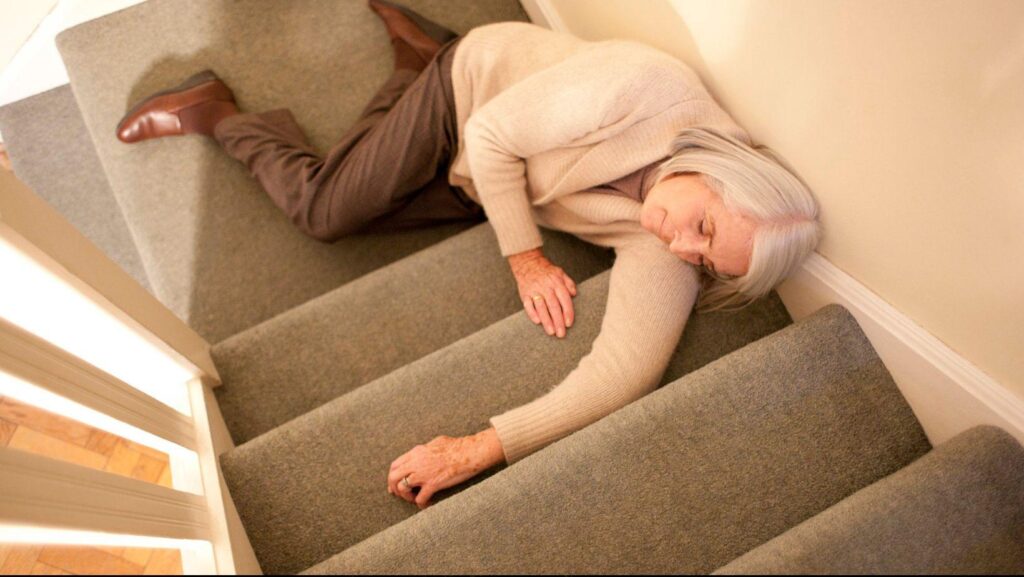
Falls are one of the biggest threats to independence as we age, yet many of them happen in places we consider completely safe: the kitchen, the bathroom, the hallway between rooms. The good news is that most of these risks can be reduced with a few thoughtful changes around the house, without needing a full renovation or a big budget.
Start with the Rooms Where Falls Happen Most
Before making any changes, it helps to walk through the home with fresh eyes and notice where balance problems are most likely to occur. Loose rugs, cluttered hallways, and slippery bathroom floors are common culprits, but so is simple fatigue from standing too long while cooking or getting dressed. For many seniors, finding the best chair for elderly with mobility issues is one of the most effective first steps, since it addresses both the fear of falling and the exhaustion that often leads to it.
The bathroom deserves special attention. Wet tile floors combined with the need to bend, twist, or reach for support are a common recipe for accidents. Grab bars near the toilet and shower, non-slip mats, and a raised toilet seat can all reduce risk significantly.
In the kitchen, the danger often comes from reaching into low cabinets or high shelves while standing on tired legs. Rearranging frequently used items to waist height, adding brighter task lighting, and clearing pathways between the counter and the table can prevent a surprising number of stumbles.
Hallways and staircases are another area worth reviewing carefully. Loose cords, poor lighting, and cluttered floors are easy to overlook until someone trips over them. Installing handrails on both sides of a staircase, adding motion-sensor lights, and keeping walkways completely clear are simple fixes that make a real difference over time.
None of these changes need to happen all at once. Tackling one room at a time, starting with the areas used most often during the day, tends to be the most manageable approach and gives quick, visible results that build confidence along the way.
Small Changes That Make a Big Difference
Beyond structural changes, everyday habits and routines play a big role in fall prevention. Encouraging regular movement, even light stretching or short walks indoors, helps maintain balance and muscle strength, both of which decline faster with inactivity. At the same time, reviewing medications with a doctor is worth doing, since dizziness or drowsiness from certain prescriptions can quietly increase fall risk.
Footwear matters more than most people expect. Slippers with worn soles or socks on hard floors are a frequent cause of slips, so supportive, non-slip shoes worn consistently around the house can prevent a lot of accidents before they happen.
Seating choices around the home are another factor that often gets overlooked. Chairs that are too low, too soft, or lack armrests make standing up unnecessarily difficult and tiring, which is exactly the kind of daily strain that leads to falls later in the day. This is where brands like VELA have built a reputation, offering chairs with an electric seat height adjustment that lets users move safely from sitting to standing without straining their legs or losing balance, a detail that reflects a genuine understanding of what daily mobility challenges actually look like for older adults.
Family involvement also matters. A quick conversation about which rooms feel unsafe, or which daily tasks have become harder, can reveal risks that aren’t obvious to an outside observer. Small adjustments based on that feedback, like moving a favorite chair closer to the kitchen or adding a nightlight near the bed, often prevent the exact situations that lead to emergency room visits.
Fall-proofing isn’t about eliminating every possible risk overnight. It’s about steadily removing the small daily obstacles that add up over time, one practical change at a time.
Building Confidence for Long-Term Safety
Physical changes to the home matter, but so does the emotional side of aging in place. Many seniors quietly reduce their activity levels out of fear of falling, which ironically weakens the muscles and balance they need to stay safe. Breaking this cycle often starts with small, achievable wins rather than big lifestyle overhauls.
Setting up a predictable daily routine can help enormously. Knowing exactly where mobility aids are kept, having a consistent path from bedroom to bathroom, and keeping frequently used items within easy reach all reduce the number of decisions and physical strain involved in everyday tasks. Predictability reduces hesitation, and hesitation is often where accidents happen.
Technology can also play a supporting role. Wearable alert devices, smart lighting that turns on automatically at night, and even simple reminder apps for medication can reduce the small moments of confusion or rushing that often precede a fall. These tools work best when they are simple to use and don’t require constant troubleshooting from the user.
Regular check-ins with a healthcare provider are equally important. Vision changes, inner ear issues, and muscle weakness often develop gradually, and a professional assessment can catch these changes before they lead to a serious fall. Physical therapy, even a short course focused on balance and strength, can noticeably improve confidence in daily movement.
Finally, it helps to remember that fall-proofing is an ongoing process rather than a one-time project. As mobility needs change over the years, the home should be reassessed and adjusted accordingly. What works well at seventy may need small tweaks by eighty, and staying flexible about those changes is part of what keeps seniors safe and independent for the long run.
By combining practical home adjustments with supportive daily habits, families can significantly lower the risk of falls while helping their older loved ones maintain the independence and confidence they value most.