
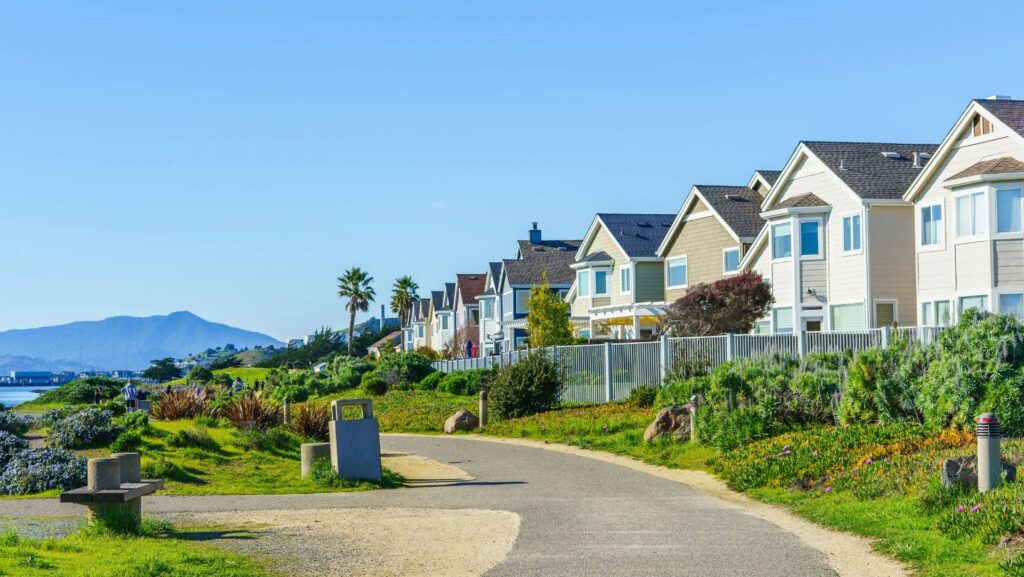
Finding a place you can truly call a forever home in Seattle adds an interesting layer of complexity to the house-hunting process. If you are in your 40s, 50s, or early 60s, your housing needs are likely shifting. You want a home base that supports your current weekend hikes and daily walks to the local coffee shop. At the same time, you also need a structural layout that anticipates your mobility needs a decade or two down the road. Balancing a highly active lifestyle today with long-term accessibility tomorrow is a unique challenge for forward-thinking homebuyers.
Successfully navigating this search requires deep local market knowledge. It takes a sharp eye for accessible layouts and a clear vision for a property’s hidden renovation potential. Finding a property that checks every box requires more than just browsing listings online. You need a full-service approach to evaluate both the neighborhood’s walkability and the home’s structural adaptability.
Real estate is not just about the transaction itself. It requires an “extra mile” methodology that guides you through buying and eventually modifying your space. Teaming up with dedicated real estate agents can help you find a home that perfectly aligns with your daily routines without the usual house-hunting stress.
What Does “Active Daily Living” Actually Mean in Real Estate?
When we talk about active daily living in real estate, we are actually talking about two very different, but equally important, concepts. The first meaning is all about your current lifestyle. It focuses on finding a home located near outdoor amenities, parks, and walkable streets. A home in the right location naturally encourages a daily, active outdoor lifestyle because recreation is right outside your front door.
The second meaning is a clinical term: Activities of Daily Living, or ADLs. In the healthcare and aging-in-place communities, ADLs refer to the basic tasks required for independent living. This includes functional mobility, bathing, dressing, and preparing meals. Factoring ADLs into your home search means finding an accessible property that allows you to live independently as you age.
The modern approach to home design is evolving rapidly to support these dual needs. You no longer have to choose between a home that fits your vibrant lifestyle and one that is safe for your future. Today’s buyers want a property that acts as a true wellness hub. In fact, homeowners are actively shifting from passive relaxation to spaces optimized for health, fitness, and active daily routines. A well-chosen home seamlessly bridges the gap between staying active today and staying safe tomorrow.
Top Seattle Neighborhoods for an Active, Walkable Lifestyle
The neighborhood you choose dictates how easily you can maintain an active lifestyle. Urban infrastructure and transit options directly contribute to your daily physical activity. When you live in a pedestrian-friendly area, you spend less time sitting in traffic and more time moving your body. A simple trip to the grocery store or a commute to work easily transforms into a healthy, active routine.
Seattle is widely recognized for its fantastic outdoor access and pedestrian infrastructure. Neighborhoods like Ballard and Fremont offer relatively flat, walkable streets with immediate access to the Burke-Gilman Trail. Areas near Green Lake provide a built-in, three-mile recreation loop perfect for daily running, walking, or cycling. The neighborhoods surrounding the Washington Park Arboretum also offer incredible, lush trails that make daily outdoor exercise feel effortless.
The data backs up Seattle’s reputation as a top-tier city for active living. The city is highly rated for pedestrian friendliness across several key districts. Specifically, neighborhoods like Queen Anne and Capitol Hill are known to boast Walk Scores of 96 and 95. Living in these highly rated areas ensures that a vibrant, active lifestyle is permanently woven into your everyday schedule.
Activities of Daily Living (ADLs) and Accessibility

While walkability handles your current activity levels, you must also look inward at the home’s design to prepare for the future. Buyers in their 40s to 60s need to factor ADLs into their purchasing decisions right now. Planning for functional mobility early prevents the stress of having to move or execute emergency renovations during a sudden health crisis. A forever home only works if it can actually accommodate you forever.
The desire to maintain independence is incredibly strong among older adults. Surveys show that 75% of adults aged 50 and older want to remain in their current homes as they age. However, wanting to stay and having a house that allows you to stay are two different things. Most standard housing stock is simply not built to support long-term mobility challenges.
Because of this gap between desire and reality, 43% of these adults anticipate needing home modifications to remain safely in their houses. Within that group, an overwhelming 72% plan to add specific bathroom modifications, such as grab bars and no-slip tile. To get ahead of these needs, you should seek out specific architectural elements during your home search. Look for single-story layouts, step-free access at the main entry, and wide hallways that comfortably accommodate mobility devices.
Conclusion
Crafting a space for active daily living means perfectly balancing Seattle’s best walkable neighborhoods with a functional, adaptable home layout. You deserve a property that places you steps away from nature trails and local cafes, while also providing the structural peace of mind you need for the future. By prioritizing both walkability and ADL-friendly design, you create a living situation that truly supports your long-term independence.
Navigating the real estate market and planning these strategic renovations should be an exciting journey. Our guiding philosophy is that real estate is incredibly fun when it is done right. You don’t have to stress over finding a unicorn property when you have the right team to help you create one.
Expert guidance is required to evaluate a home’s future potential without compromising on your modern lifestyle aesthetics. You need professionals who understand both the nuances of Seattle neighborhoods and the specific requirements of accessible design.