
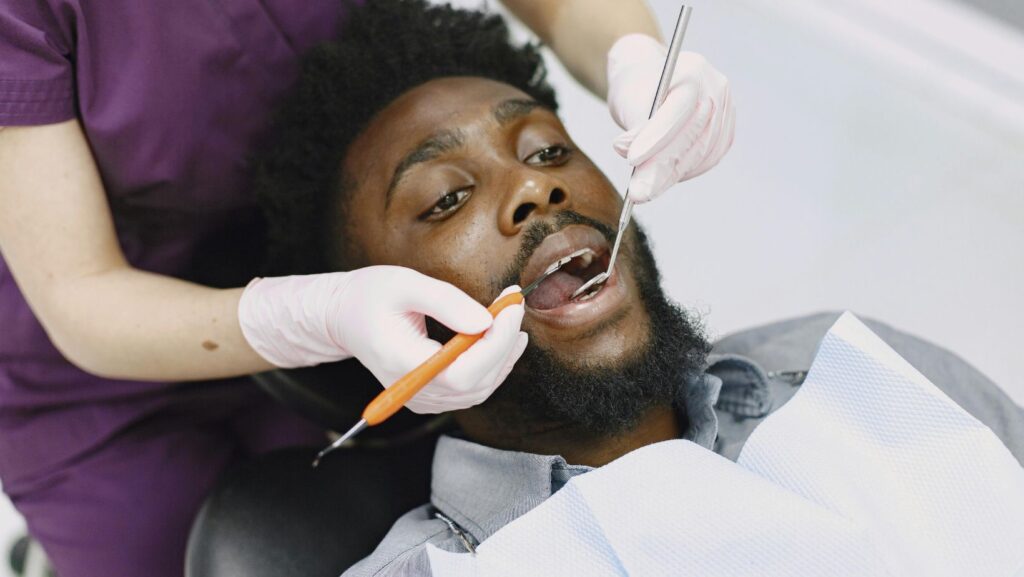
You already know a great smile looks good. What you might not know is how smile design changes how you feel, act, and connect with others. Cosmetic dentistry can fix stains, chips, and gaps, and it can also give you the confidence to speak, smile, and show up more often in life.
Bold choices in your smile can change how you see yourself and how others respond to you. Smile design can boost your self-image and make everyday interactions feel easier and more natural. The next sections will explain the psychology behind that change, how dental work goes beyond looks, and which treatments most often lift confidence.
The Psychological Impact of Smile Design
Smile design can change how you feel about yourself, how others respond to you, and how you handle daily stress. The following points explain specific ways a planned cosmetic change affects confidence, social life, and mental health.
Influence on Self-Esteem
When you correct visible issues—like stains, gaps, or uneven teeth—you often notice your face looks more balanced. That visual change sends clear feedback to your brain, which can shift your self-image. You may stop covering your mouth when you laugh and start taking photos more willingly.
This change matters in practical ways. Feeling better about your appearance can make you speak up in meetings, apply for jobs, or try new social activities. Results vary by person, but small improvements in your smile often produce measurable boosts in how capable and attractive you feel.
Role in Social Interactions
A smile affects first impressions within seconds. If your teeth look healthy and even, people tend to perceive you as more approachable and trustworthy. That perception can change how coworkers, dates, or strangers react to you in real time.
You may notice smoother conversations, more frequent eye contact, and fewer awkward pauses. These shifts make it easier to build rapport, network, or form friendships. Cosmetic changes do not guarantee social success, but they remove a visible barrier that might have held you back.
Effects on Mental Wellbeing
Improved dental aesthetics can lower anxiety tied to appearance. You may spend less time worrying about your teeth and more time on meaningful tasks. This frees mental space and reduces rumination about looks.
For some people, the change also reduces social avoidance and loneliness. Increased confidence can encourage activity that supports mood—exercise, social events, or career steps. If you have a history of body-image issues, combine cosmetic care with counseling to address deeper emotional patterns.
Cosmetic Dentistry Beyond Aesthetics
You can expect changes that reach past looks: treatments can restore how you bite, lower pain from damaged teeth, and reduce risks that cause bigger problems later. These benefits help you speak, chew, and feel more secure about daily life.
Restoring Functionality
When teeth are chipped, worn, or missing, your bite can shift and cause chewing problems. Restorations like crowns, bridges, and dental implants rebuild tooth shape and height so you can bite evenly. This reduces extra force on nearby teeth and eases strain on your jaw joints.
Orthodontic work and full-mouth smile design can realign teeth to improve chewing efficiency. You’ll notice clearer speech and less food trapping after alignment or reshaping. Procedures often combine cosmetic goals with materials chosen for strength, so the result looks good and works reliably.

Improving Oral Health
Cosmetic treatments often remove damaged tooth structure and replace it with durable, cleanable surfaces. Veneers and bonding can cover cracks and chips that harbor bacteria. Porcelain crowns seal teeth after large fillings or root canals, helping prevent reinfection.
You gain easier hygiene when teeth sit correctly and gaps or overlaps are fixed. That lowers plaque buildup and reduces gum inflammation. Many dentists pair cosmetic work with cleaning and gum care plans so your new smile stays healthy.
Preventing Future Dental Issues
Fixing worn or misaligned teeth now can stop faster decay and costly repairs later. Restoring tooth height and balance prevents uneven wear that leads to fractures. Implants replace missing roots, protecting bone and stopping adjacent teeth from shifting.
Cosmetic solutions often use long-lasting materials and protective designs. Night guards, occlusal adjustments, and balanced restorations lower the chance of jaw pain and tooth breakage. By addressing structural problems early, you reduce the need for emergency care and major procedures down the road.
How Cosmetic Dental Procedures Boost Confidence
You can expect changes that reach beyond looks: altered social habits, clearer professional presence, and daily comfort. These changes come from specific treatments like whitening, veneers, crowns, and orthodontics that fix stains, chips, gaps, and alignment.
Personal Transformation Stories
You might stop hiding your teeth in photos after a whitening or veneer treatment. One patient who had stained and chipped front teeth often covered their mouth when laughing. After veneers and minor reshaping, they began smiling in group photos and reported feeling less anxious at family events.
Another person corrected a small gap and crooked bite with clear aligners. They said speaking in meetings felt easier and they no longer avoided networking events. These stories show how targeted fixes—bonding for chips, crowns for damaged teeth, or aligners for spacing—change habits and reduce social avoidance.
Professional Advantages
You will appear more polished and confident in job interviews and client meetings after cosmetic work. Employers and clients notice a neat, healthy smile during face-to-face interactions and video calls.
Specific changes matter. Teeth whitening removes visible stains from coffee or tobacco. Straightened teeth via braces or clear aligners prevent the distraction of a lisp or mumble. Repaired front teeth stop self-conscious gestures—like covering your mouth—that can seem nervous. These improvements can help you present ideas clearly and build stronger first impressions.
Investing in your smile also projects a high level of personal discipline and attention to detail. According to this dentist who does high-quality veneers in Ballwin, this enhanced professional presentation can boost your networking capabilities, making you feel more relaxed and approachable when interacting with colleagues, managers, and potential business partners.
Enhanced Daily Life Experiences
Cosmetic dentistry can make daily routines more comfortable and pleasant. If you had rough or jagged edges, smoothing and bonding removes irritation when speaking or eating.
You may also enjoy small freedoms: laughing out loud without covering your mouth, choosing photos without editing, or accepting social invitations you used to avoid. Functional fixes—like replacing a worn tooth with a crown—restore normal chewing and reduce sensitivity to hot and cold. These practical gains improve your mood and make everyday interactions easier and less stressful.