
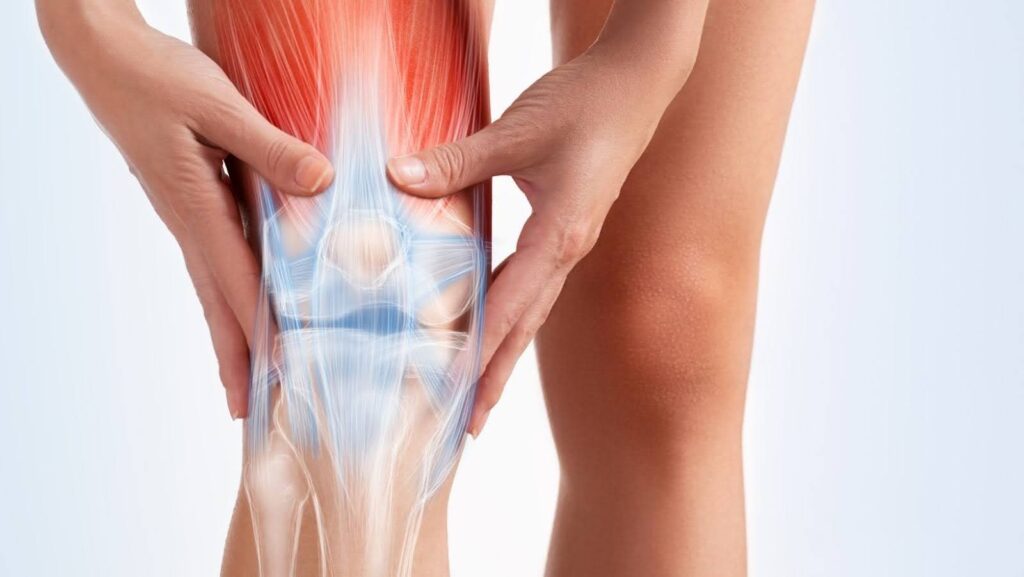
Research shows that 18% to 63% of people have foot pain and stiffness. In the report by the National Institute of Health, foot problems are common and they reduce one’s functional abilities. They also have a significant effect on overall quality of life. Remember when you last had a foot injury. Walking became difficult and you tripped and almost fell several times. Plus, you couldn’t perform your daily activities, which reduced your productivity. And the constant pain can make you anxious or depressed, which affects your mental health. That said, anyone bent on healthy living should know which foot diseases are prevalent and how to prevent them. This post highlights three foot diseases, their causes and prevention tips to ensure you stay healthy, active, and pain-free.
Hallux Valgus (Bunions)
Ever spotted a hard lump that’s somehow bony on the side of a friend’s or relative’s large toe? Maybe you have one too. That could be a bunion or hallux valgus. How does this deformity occur? When the big toe begins to slant inwards towards the second toe because of pressure from narrow shoes or foot misalignment. Over time, a lump forms on the side, near the big toe’s base. There are several reasons people develop hallux valgus, but genetics tops the list. Let’s say your grandparents or parents had bunions. Chances are, you’ll have them. Flat feet or low arches, wearing improper shoes, foot injury or trauma, and inflammatory conditions like rheumatoid arthritis are other causes. So, what happens if you don’t stop hallux valgus from progressing? Swelling and pain increase, you become stressed, and movement of the big toe is limited.
Prevent bunions by wearing shoes that fit properly, not narrow-toed shoes, high heels, or shoes without arch support. If you have flat feet, use custom-made orthotics. Or tape your foot to minimize pressure on the joint when walking. Exercising your toes can prevent bunions effectively. Do toe curls, toe spread outs, and towel grips regularly. If you already have a bony bump on your large toe’s joint and have difficulty managing the pain linked to it, bunion surgery is an excellent option. This surgical intervention aims to remove the bony lumps (bunions) and restore foot movement. Since bunions vary in size and shape, the surgical approach isn’t a one-size fits all. Your doctor can combine exostectomy and osteotomy, for instance, to remove the enlarged portion of the bone and realign the toe to a normal position.
Athlete’s Foot
Based on the name, you might assume this ailment affects athletes only. That’s not the case, though. Research indicates this athlete’s foot affects 25% of adults globally. Wondering what this condition looks like? It’s a fungal infection that develops between toes and sometimes on the sides of the soles. When you have it, you’ll notice flaky patches on your feet accompanied by burning, itching, scaling, and dryness. If left untreated, you may have painful cracks on the skin or even pus-filled blisters. The infection can also spread to the nails, causing them to detach, become brittle, or discolored.
Since this foot problem thrives in moist conditions, keep your feet clean and dry, especially between the toes. Change socks every day as sweat or wetness trapped in the fiber encourages bacteria to grow. Your footwear traps dampness as well if you have sweaty feet or put them on for long hours. So, alternate shoes to give them adequate time to air out. Also, don’t walk around public gyms, showers, or pool areas without sandals, as the condition is contagious. What if you already have a fungal infection? What should you do? There are antifungal sprays, powders, and creams you can apply to treat it.

Plantar Fasciitis
Have recurring heel pain that makes walking a nightmare? It could be plantar fasciitis. This is an inflammation that affects the plantar fascia, a band of tissues that connects the heel and toes. Strenuous activities like ballet and running cause tears to this tissue and it can become inflamed, making walks, dancing, and runs painful. If you don’t engage in sports often, and have plantar fasciitis, check your feet type, weight, and lifestyle. If you have flat feet, are overweight, or stand for long hours, your heels can get inflamed easily. Fortunately, you can prevent it by doing calf stretches and rolling a ball under your feet. You could also minimize heel inflammation by increasing workout sessions gradually. For individuals with flat feet or who stay on their feet for hours, wearing shoes with arch support or insoles is helpful.
People rarely think about foot health until they feel some pain, discomfort, or have limited mobility. Most of the problems that affect feet are preventable. You just need to understand what bunions, plantar fasciitis, and athlete’s feet are. Then focus on foot hygiene. Wash and dry your feet. Don’t forget to keep the spaces between the toes dry with a clean towel. Also, put on supportive shoes and do stretches that involve the calves and toes.