
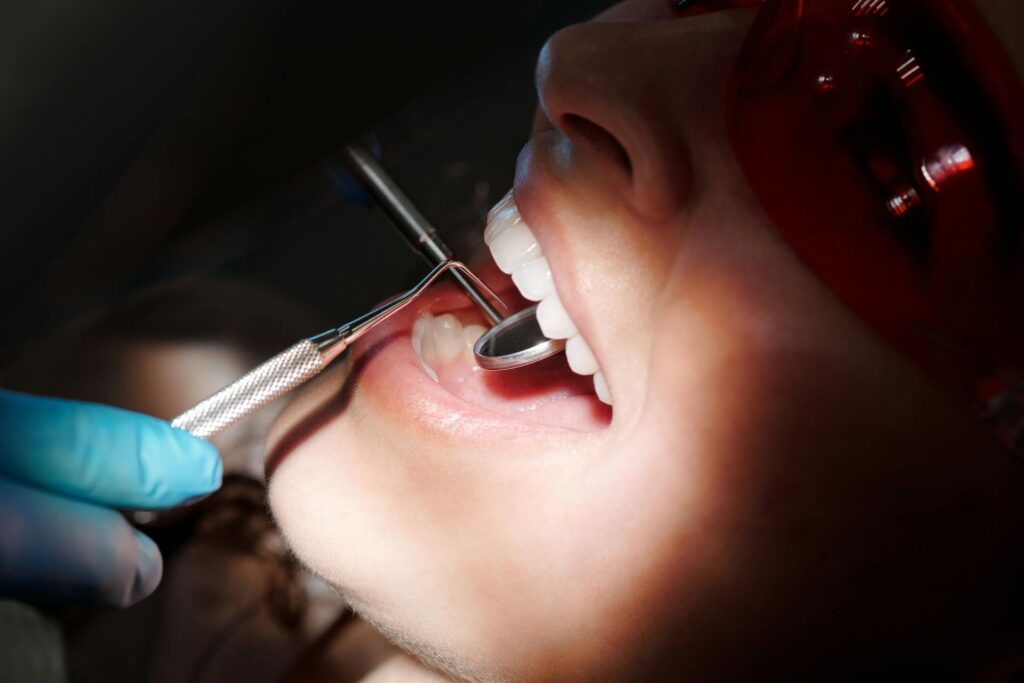
You can spot the difference between a true dental emergency and something that can wait. Knowing which problems need immediate care—like severe pain, uncontrolled bleeding, or a knocked-out tooth—can stop more damage and save your tooth. Bold the most important sentence: Call for immediate care when you have intense pain, heavy bleeding, a knocked-out tooth, or signs of infection to protect your smile and avoid long-term harm.
This post will help you tell urgent problems from routine issues, explain what emergency dentist in Champaign, IL do, and show simple steps to protect your teeth at home until you get help. You will learn when to act fast and when to schedule a regular visit so you spend less time in pain and more time keeping your mouth healthy.
Understanding Dental Emergencies
You need to know which problems need same-day care, what injuries or infections are most common, and which symptoms demand immediate action. Quick recognition and the right first steps can protect your tooth, limit pain, and lower the risk of infection.
What Qualifies as a Dental Emergency
A dental emergency is any oral problem that risks your health, tooth survival, or ability to eat and breathe without delay. You should seek emergency care when pain is severe and uncontrolled, a tooth is knocked out, or there is heavy bleeding that won’t stop.
Emergencies also include injuries that cut soft tissue deeply, broken teeth exposing the pulp (nerve), and swelling that affects your face, neck, or jaw. If a dental issue causes fever, spreading redness, or trouble swallowing or breathing, treat it as urgent and get medical help right away.
Common Types of Dental Emergencies
Common emergencies include:
- Avulsed (knocked-out) tooth — try to place it back in the socket or keep it in milk/saline and seek care within an hour.
- Cracked or fractured teeth — fragments and sharp edges can injure your tongue or lead to infection.
- Severe toothache — often signals infection, deep decay, or an abscess needing prompt treatment.
- Lost fillings or crowns — these expose the tooth and increase risk of pain or breakage.
- Infections and abscesses — pus, swelling, and fever need fast attention to prevent spread.
Describe what happened, where it hurts, and any swelling when you call. That helps the clinic decide whether to see you immediately or guide home care until your appointment.
Symptoms Requiring Immediate Attention
Seek immediate care if you have intense, unrelenting pain, swelling that distorts your face, or difficulty breathing or swallowing. These signs can mean a spreading infection or airway compromise and need same-day treatment.
Also get help right away for uncontrolled bleeding, a tooth completely knocked out, or a tooth pushed out of position. If you develop fever, increasing redness, or feeling confused with oral symptoms, go to the emergency room — a dental clinic may not be enough.
Routine Dental Care Essentials
Routine dental care keeps your mouth healthy and prevents problems that need urgent treatment. It includes regular exams, cleanings, and simple treatments that stop small issues from becoming painful, costly emergencies.
Defining Routine Dental Care
Routine care covers the regular actions and clinic visits you need to keep teeth and gums healthy. This includes twice-yearly dental exams, professional cleanings, and X-rays when your dentist needs to check for hidden decay or bone loss. It also covers home routines like brushing twice a day with fluoride toothpaste and flossing once daily.
Your dentist or hygienist will evaluate tooth surfaces, gum pockets, and bite alignment. They check for early signs of cavities, gum disease, and oral cancer. These checks let your dentist recommend timely treatments such as fillings, sealants, or a deeper cleaning before issues worsen.
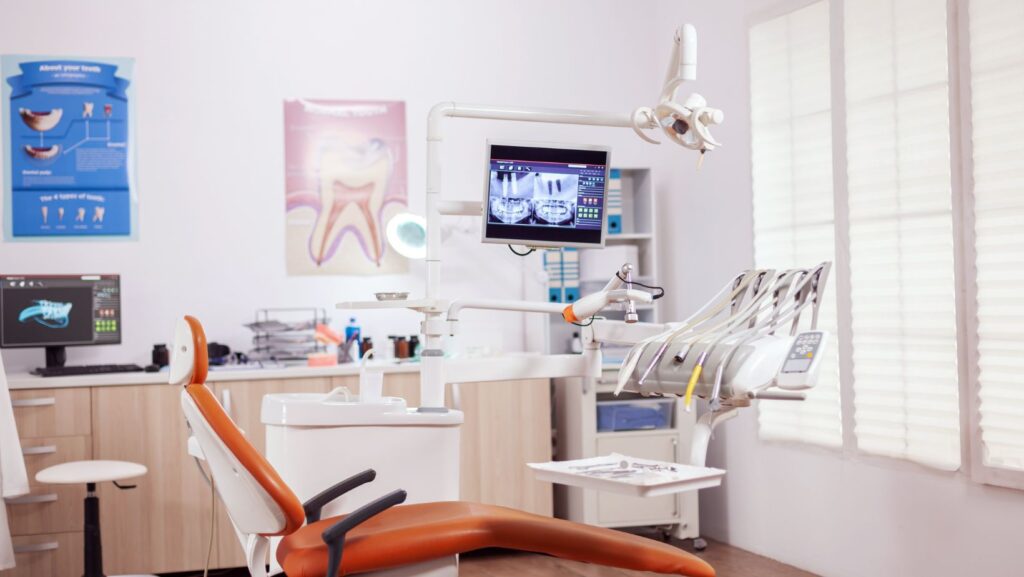
Typical Procedures and Their Importance
Professional cleanings (prophylaxis) remove plaque and tartar that brushing misses. That lowers your risk of cavities and gum inflammation. Fluoride treatments strengthen enamel to resist decay, especially for children and people with dry mouth.
Dental X-rays reveal decay between teeth, problems under old fillings, and jawbone changes. Simple fillings repair small cavities and prevent spread. Sealants protect molars by coating grooves where food and bacteria collect. Each procedure aims to stop small problems from becoming painful or needing extraction.
Consistently scheduling these routine treatments forms the backbone of a successful preventive dental care strategy. According to this dentist who does high-quality dental implants in Orinda CA, by addressing minor structural changes and bacteria buildup early, you protect your long-term oral health and avoid the need for complex, costly restorative procedures down the road.
Benefits of Preventive Checkups
Preventive visits save you money and time by avoiding complex treatments. Early detection means you often need less invasive care, like a filling instead of a root canal. Regular monitoring also tracks habits that harm your teeth, such as grinding or poor brushing technique, so your dentist can offer targeted fixes.
You gain personalized advice on diet, oral products, and timing for treatments like orthodontics or implants. Preventive care also lowers your chance of infection and tooth loss, keeping your smile functional and comfortable for daily life.
Key Differences Between Emergencies and Routine Care
You will learn how serious symptoms differ from routine issues, what actions to take for each, and the risks if you wait too long for care.
Severity and Urgency of Symptoms
Emergencies cause intense pain, heavy bleeding, swelling that affects breathing or swallowing, or a knocked-out tooth. If your tooth is completely dislodged, rinse it gently, keep it moist (milk or saliva), and seek dental care within 30–60 minutes. Severe infections with fever, spreading swelling, or trouble opening your mouth need immediate attention.
Routine care covers mild toothaches, small chips, routine cleanings, and checkups. These problems usually do not threaten your life or cause rapid damage. You can schedule regular appointments or call your dentist for nonurgent advice.
Appropriate Response and Action Steps
For emergencies, call your dentist or an emergency clinic right away. Describe symptoms clearly: pain level, bleeding, swelling, fever, or if a tooth is out. If bleeding won’t stop, apply firm pressure with gauze and go to urgent care or the ER. For a knocked-out tooth, handle by the crown only and try to reinsert it if possible; otherwise store it in milk and bring it in.
For routine issues, book a standard appointment. Use over-the-counter pain medication and cold packs for temporary relief when advised. Keep routine x-rays and exams on schedule to catch problems early. Ask your dentist about same-day options if symptoms change.
Risks of Delaying Care
Delaying emergency care can cause tooth loss, spread infection to nearby teeth, jawbone, or even the bloodstream. An abscess ignored for days can lead to severe swelling, fever, and a hospital visit. A knocked-out tooth left untreated beyond an hour is much harder to save.
Delaying routine care raises the chance that small cavities become large ones and need root canals or extractions. Skipping cleanings allows plaque to harden into tartar, increasing gum disease risk. Timely care often saves money and prevents more invasive treatment later.
Protecting Your Oral Health
You can stop many problems before they start by knowing when to get urgent care, using simple daily habits, and planning long-term dental care. These steps help you avoid pain, save money, and keep your teeth for life.
When to Seek Emergency Dental Services
If you have severe pain, uncontrolled bleeding, or a knocked-out tooth, get emergency care right away. Call your dentist or an emergency clinic and describe symptoms. For a knocked-out adult tooth, hold it by the crown, rinse gently, and try to place it back in the socket or keep it in milk or saline while you go to the dentist. Time matters—treatment within an hour greatly improves the chance to save the tooth.
Other urgent signs include swelling that affects breathing or swallowing, fever with tooth pain, or a broken filling that exposes the nerve. A cracked tooth that causes sharp pain when biting also needs quick attention. For less severe issues—loose fillings, mild pain, or minor chips—book a same-week appointment with your regular dentist.
Best Practices for Preventing Emergencies
Brush twice daily with fluoride toothpaste and floss once a day to reduce decay and infection risk. Replace your toothbrush every three months or after illness. Use a mouthguard when you play contact sports or grind your teeth at night; custom guards from your dentist protect better than store-bought ones.
Avoid using teeth to open packages, crack nuts, or bite hard objects like ice. Limit sugary snacks and acidic drinks; rinse your mouth with water after consuming them. Keep regular dental checkups every six months or as your dentist advises. These visits catch small problems—like cavities or loose crowns—before they turn into emergencies.
Long-Term Strategies for Smile Preservation
Plan restorative work early. Fix small cavities, replace failing fillings, and treat gum disease to prevent tooth loss. If you are missing teeth, discuss implants or bridges to keep adjacent teeth from shifting and to preserve jawbone health. Your dentist can show you options based on durability, cost, and how they fit your mouth.
Manage medical conditions that affect oral health, such as diabetes or dry mouth from medications. Stay current with X-rays and periodontal assessments to monitor bone and gum status. Keep a written record of dental treatments and emergency contacts so you can act fast if a problem arises.