
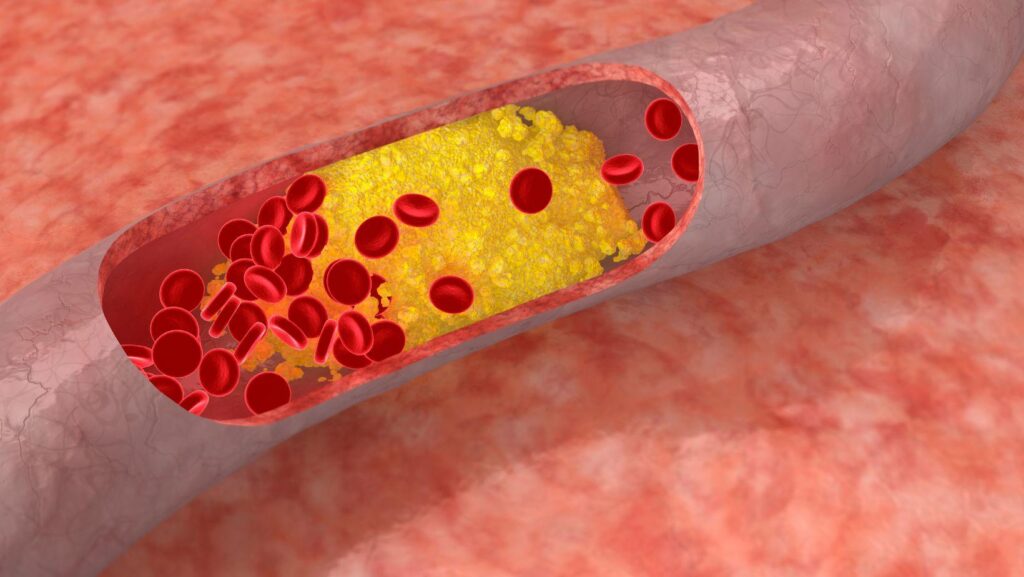
When people think about staying healthy, they usually focus on familiar subjects such as nutrition, exercise, sleep, stress management, and mental well-being. Blood flow rarely gets the same attention. Yet circulation is working every second of the day, delivering oxygen and nutrients throughout the body while helping transport waste products away from tissues.
Healthy blood flow is more than a cardiovascular concern. It plays a role in how the body supports movement, physical activity, tissue function, and everyday energy. When circulation is affected, the signs can sometimes appear in unexpected ways, including tired or uncomfortable legs, swelling, numbness, changes in skin appearance, or difficulty staying active. For people experiencing persistent vein-related symptoms, it can also be helpful to visit a trusted vein clinic in Paramus for professional evaluation and guidance.
Understanding the importance of circulation can therefore change the way we think about wellness. Instead of treating vascular health as something to consider only when a problem appears, it makes sense to view healthy blood flow as one part of a long-term approach to staying active and feeling well.
What Healthy Blood Flow Actually Does
The circulatory system is an enormous transportation network. The heart pumps blood through arteries, which carry oxygen-rich blood toward tissues throughout the body. Veins then help return blood toward the heart.
This process happens continuously, whether someone is exercising, working at a desk, sleeping, or taking a walk. Every organ and tissue depends on an adequate supply of oxygen and nutrients to function properly.
The legs present a particular challenge because blood returning from the lower body has to travel upward against gravity. Muscles and one-way valves within the veins help support this process. During walking, for example, contractions of the calf muscles can assist the movement of blood through the veins.
That simple connection between movement and circulation explains why being physically active is important for more than calorie burning or muscle strength.
The Connection Between Circulation and Energy
Feeling tired does not automatically mean that a person has poor circulation. Fatigue can have countless causes, from inadequate sleep and stress to nutritional issues and underlying medical conditions.
However, the circulatory system is fundamental to delivering oxygen and nutrients that cells need to perform their normal functions. The heart and blood vessels work together to support this delivery system throughout the body.
For this reason, vascular health belongs in the larger conversation about energy and physical performance. When people experience persistent leg heaviness, discomfort, or swelling, they may find themselves becoming less willing to walk, exercise, or participate in activities they previously enjoyed.
The resulting reduction in activity can create another problem. Less movement means fewer opportunities to activate the muscles that support circulation in the legs. Over time, this can contribute to a cycle of discomfort and inactivity.
Breaking that cycle begins with understanding what is actually causing the symptoms.
Why Mobility Depends on More Than Strong Muscles
Mobility is often associated with muscles, bones, and joints. Those structures are certainly essential, but comfortable movement also depends on the circulatory system.
Walking requires repeated contractions of the muscles in the feet and lower legs. Those movements support the body's normal circulation while allowing a person to travel from one place to another.
When the legs feel heavy, swollen, or uncomfortable, walking can become less appealing. Someone who once enjoyed evening walks may shorten them. A person who regularly used the stairs may begin avoiding them. Even small changes in daily movement can accumulate.
This is why maintaining vascular health can be viewed as part of maintaining independence. Being able to move comfortably makes it easier to work, travel, exercise, socialize, and participate in everyday life.
Sitting Too Much Can Work Against Healthy Circulation
Modern routines have introduced another challenge: prolonged sitting.
Office workers can spend most of their day at a desk. Remote workers may move only a few steps between their workspace and kitchen. Long commutes, television, gaming, and smartphone use can add even more sedentary time.
Sitting for long periods means the leg muscles are not being activated regularly. For some people, prolonged inactivity may be accompanied by swelling or a feeling of heaviness in the lower legs.
The solution does not have to be complicated. Getting up regularly, walking during breaks, changing position, taking the stairs when appropriate, or adding short walks throughout the day can create more movement without requiring a complete lifestyle overhaul.
The American Heart Association also emphasizes regular movement and healthy lifestyle habits as part of maintaining vascular health.
Recognizing When Leg Symptoms Should Not Be Ignored
Many people experience occasional tired legs after a long day. That alone is not necessarily a reason for concern. What deserves more attention is a persistent or recurring pattern.
Varicose veins, leg swelling, aching, heaviness, itching, cramps, or changes in the appearance of the skin can sometimes occur alongside vein problems. The presence of these symptoms does not establish a diagnosis, but they can be reasons to speak with a qualified healthcare professional.
It is also important to distinguish ongoing symptoms from sudden changes. Sudden swelling or pain in one leg, especially when accompanied by warmth or redness, should be evaluated promptly. Sudden breathing difficulty, chest pain, coughing up blood, or fainting requires emergency medical attention.
Being aware of these warning signs does not mean becoming anxious about every minor sensation. It simply means understanding that persistent or unusual changes deserve appropriate attention.
Everyday Habits That Support Vascular Wellness
There is no single habit that guarantees perfect circulation. Vascular health is influenced by many factors, including age, genetics, smoking, physical activity, blood pressure, cholesterol, blood sugar, weight, and other health conditions.
Still, everyday choices can contribute to a healthier foundation. Regular physical activity helps keep the body moving. A balanced diet supports cardiovascular health. Avoiding tobacco protects blood vessels from its harmful effects. Managing conditions such as high blood pressure, diabetes, and high cholesterol can also be important.
Sleep and stress management deserve attention as well. Wellness is interconnected, and cardiovascular health cannot always be separated neatly from the rest of a person's lifestyle.
The goal is not perfection. Sustainable habits practiced consistently tend to be more realistic than extreme changes that are difficult to maintain.
When Lifestyle Changes Are Not Enough
Healthy habits can support overall wellness, but they cannot correct every underlying vascular condition.
Some vein problems are influenced by factors that lifestyle alone cannot eliminate. Genetics, age, pregnancy, previous blood clots, and changes in the valves of the veins can all contribute to vein-related conditions.
When symptoms persist, professional evaluation can help determine what is actually happening. Depending on the symptoms, a healthcare professional may perform a physical examination and recommend diagnostic testing such as a vascular ultrasound.
What to Expect From Personalized Vein Care
Good medical care begins with understanding the individual rather than assuming every patient has the same problem.
At the Paramus location, the practice states that consultations focus on a patient's specific symptoms and treatment goals. When appropriate, a venous ultrasound can be performed on-site to evaluate the underlying veins. Treatment options listed by the clinic include sclerotherapy, radiofrequency and laser ablation, VenaSeal, ClariVein, and other minimally invasive approaches.
Not everyone with visible veins requires a procedure, and treatment decisions should be based on professional evaluation. Some people may primarily have cosmetic concerns, while others may have symptoms suggesting an underlying venous condition.
That distinction is important because effective healthcare is not simply about treating what is visible. It is about understanding the underlying issue and choosing an approach that makes sense for the individual.
Looking at Circulation as Part of Whole-Body Wellness
One of the biggest benefits of understanding blood flow is that it encourages a broader view of health.
A person who wants to improve their wellness might begin by thinking about exercise and nutrition. Adding vascular health to that picture creates a more complete perspective. The heart, blood vessels, muscles, metabolism, sleep, stress levels, and daily activity all influence how the body functions as a whole.
The American Heart Association describes cardiovascular and metabolic health as interconnected systems that influence how the body circulates blood, manages energy, and maintains normal function.
This does not mean that every wellness concern is caused by circulation. Instead, it highlights why vascular health deserves a place alongside other familiar wellness priorities.
Making Healthy Blood Flow Part of the Long-Term Plan
Long-term health is built through ordinary decisions repeated over time. Taking a walk instead of remaining seated for another hour may seem insignificant. Standing up and moving during a workday may seem like a small adjustment. Paying attention to recurring leg symptoms may feel unnecessary when they are mild.
But these choices can change how a person interacts with their own health.
The most useful approach is to avoid waiting until mobility becomes difficult before thinking about circulation. Movement, healthy lifestyle habits, awareness of risk factors, and appropriate medical evaluation can all play a role in protecting vascular health.
For people already experiencing symptoms, the next step is not necessarily to assume that something is seriously wrong. It is to seek reliable information and, when appropriate, speak with a qualified professional who can evaluate the situation.
Conclusion
Healthy blood flow is one of those body functions that is easy to overlook precisely because it happens quietly. We rarely think about circulation when we are walking through a store, climbing stairs, working at a computer, or enjoying time with family. Yet every one of these activities depends on a body capable of moving blood efficiently throughout the body.
Vascular health is closely connected with mobility and an active lifestyle, particularly in the legs. Persistent heaviness, swelling, aching, visible varicose veins, or other recurring symptoms should not simply be dismissed as an unavoidable part of aging.
At the same time, maintaining healthy circulation is not about chasing perfection. It is about building practical habits, staying physically active, managing important health risks, and knowing when professional guidance is appropriate.
When circulation becomes part of the wellness conversation, the picture of health becomes more complete. Stronger mobility, greater awareness, and better long-term health often begin with something we rarely notice: the steady movement of blood through the body.