
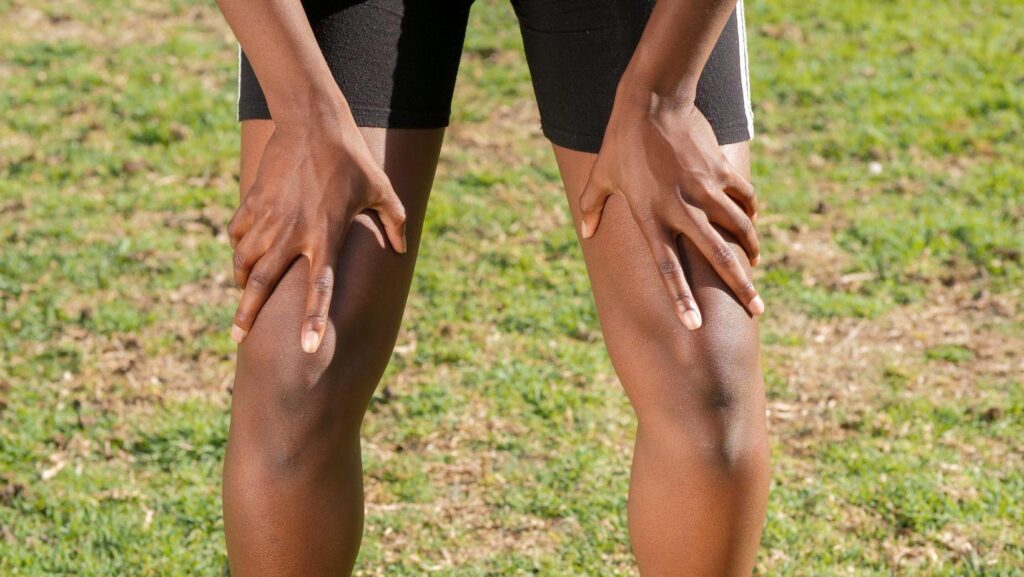
Mobility is one of those things most people rarely think about until it becomes difficult. Walking to the store, climbing a flight of stairs, getting out of a chair, taking a morning walk, or spending an afternoon with family can all seem like ordinary parts of life. Yet every one of these activities depends on the knees functioning well enough to support comfortable movement.
As people get older, maintaining mobility becomes increasingly important. Healthy knees are not simply about being able to exercise. They influence independence, confidence, social activities, work, travel, and the ability to manage everyday responsibilities without constantly thinking about pain.
For people dealing with chronic knee pain who want to understand alternatives to major surgery, treatment for chronic knee pain in Woodbridge can be an option to explore with a qualified specialist.
Centers for Knee Pain's Woodbridge consultation location states that its specialists evaluate patients with chronic knee pain, particularly pain associated with osteoarthritis, review imaging and symptoms, and determine whether Genicular Artery Embolization, or GAE, may be appropriate. The practice describes GAE as a minimally invasive procedure intended to reduce pain and inflammation by targeting small blood vessels around the knee.
Why Knee Health Is So Closely Connected to Mobility
The knee is a complex weight-bearing joint that sits between the hip and ankle. It allows the leg to bend and straighten while helping absorb and distribute forces during everyday activities.
Walking alone involves thousands of repeated movements. Each step requires coordination between the bones, cartilage, muscles, tendons, ligaments, and surrounding tissues. When the knee is healthy, most of this happens without conscious thought.
Pain changes that experience.
A person with persistent knee pain may begin taking shorter steps, avoiding stairs, walking more slowly, or shifting weight to another part of the body. These adjustments can feel minor at first, but over time they may reduce overall activity.
That is where knee health becomes a mobility issue rather than simply a pain issue. When discomfort starts changing how someone moves, it can gradually affect what they are willing or able to do.
The Difference Between Aging and Losing Mobility
Getting older does not automatically mean losing the ability to move independently.
Joint tissues naturally change throughout life, and the risk of conditions such as osteoarthritis increases with age. Osteoarthritis can cause pain, stiffness, swelling, and reduced range of motion, and in more advanced cases it can make everyday activities difficult.
However, there are many ways people can support their physical function as they age.
Regular physical activity is one of the most important. The CDC recommends that adults, including people with arthritis, move more and sit less throughout the day. It also notes that physical activity can reduce joint pain and improve physical function and quality of life.
This is an important shift in perspective. Instead of thinking of movement as something that must stop when the knees become uncomfortable, appropriate movement can become part of a strategy for maintaining function.
Strong Supporting Muscles Can Make Movement Easier
The knees do not work alone. Muscles around the thighs, hips, and lower legs contribute to stability and control during movement.
When these muscles become weak, everyday activities can become more demanding. Standing from a chair, climbing stairs, getting into a car, or walking over uneven ground may require more effort.
Strengthening the muscles that support the lower body can therefore be an important part of maintaining mobility. The appropriate exercises depend on a person's age, fitness level, medical history, and existing symptoms.
For someone with knee pain, jumping directly into intense workouts may not be the best approach. Gentle strengthening, resistance exercises, physical therapy, and low-impact activities can often provide a more practical starting point.
The CDC recommends combining aerobic activity with muscle-strengthening activity and notes that physical activity can be broken into shorter sessions. Even five- or ten-minute periods can contribute to an active lifestyle.
Movement Does Not Have to Mean High-Impact Exercise
A common misconception is that protecting the knees means avoiding exercise altogether. In reality, the type and intensity of movement matter more than simply being active or inactive.
Walking, cycling, swimming, water exercise, and other lower-impact activities can provide opportunities to stay active while placing less stress on the joints than some high-impact activities.
The right choice will vary from person to person. Someone who has enjoyed running for decades may have different needs from someone who has recently developed knee pain and is returning to activity.
The goal is to find movement that is comfortable enough to perform consistently. An activity that causes significant or worsening pain should not simply be pushed through without considering why the pain is occurring.
Why Weight and Knee Health Are Connected
Body weight is another factor that can influence knee health because the knees carry the body's weight during standing and movement.
The CDC identifies overweight and obesity as risk factors for knee osteoarthritis and explains that additional weight can increase stress on the joints.
This does not mean that maintaining mobility should become a matter of chasing a particular number on a scale. A healthier approach is to focus on sustainable habits that support overall health, including nutritious eating, appropriate physical activity, adequate sleep, and professional guidance when needed.
For someone already experiencing knee pain, even improving general fitness and becoming more active within their abilities can be meaningful.
Small Changes Can Protect Independence
Independence is often lost gradually rather than all at once.
A person might first stop taking long walks. Then stairs become something to avoid. Shopping trips may become shorter, and standing for extended periods may become uncomfortable. Eventually, everyday activities may require assistance.
Not every person with knee pain will follow this pattern, but it illustrates why persistent symptoms should not always be ignored.
Maintaining mobility means paying attention to small changes. If a person notices that knee pain is repeatedly interfering with activities they enjoy, that is useful information. It may be time to evaluate the cause rather than simply changing their entire lifestyle around the pain.
When Chronic Knee Pain Starts Limiting Everyday Life
Occasional soreness after unfamiliar activity is different from persistent pain that continues for weeks or months.
Chronic knee pain can affect sleep, exercise, work, social activities, and confidence. It may also create frustration when simple tasks become physically demanding.
At this stage, getting a professional assessment can help clarify what is happening. Knee pain can have many causes, including osteoarthritis, previous injuries, inflammation, mechanical problems, and other conditions. Treatment should therefore be based on an appropriate evaluation rather than assumptions.
The CDC recommends talking with a healthcare provider about arthritis symptoms and care plans, particularly when symptoms affect function or daily life.
Exploring Treatment Before Giving Up on Activity
Many people associate serious knee pain with knee replacement surgery. While joint replacement can be appropriate for some patients, it is not the only treatment approach.
Depending on the underlying condition, patients may explore physical therapy, medications, injections, activity modification, supportive devices, and other conservative or minimally invasive options.
Whether GAE or another approach is appropriate depends on the individual patient. The important point is that persistent knee pain can be evaluated rather than automatically accepted as something that must simply be lived with.
The Goal Is Function, Not Just a Pain Score
Pain reduction is important, but successful knee care should also consider what a person wants to be able to do.
For one individual, the goal may be walking around the neighborhood without stopping. For another, it could be returning to cycling, playing with grandchildren, traveling, gardening, or comfortably completing a workday.
This is why personalized care matters. Two people with similar levels of knee pain may have completely different lifestyles and priorities.
A useful treatment conversation should consider symptoms, imaging when appropriate, health history, activity level, and personal goals. The objective is not simply to chase a lower pain number but to help the person understand realistic ways to improve function.
Mobility Supports More Than Physical Health
The benefits of mobility extend beyond the joints.
Being able to walk comfortably can make it easier to participate in social activities, maintain relationships, travel, shop independently, and pursue hobbies. Regular physical activity is also associated with broader health benefits.
For older adults, maintaining movement and balance can be particularly important because physical function is closely connected to independence and the ability to perform everyday tasks.
A 2026 CDC-published study involving people with knee osteoarthritis found that knee pain, physical activity, sit-to-stand performance, and health-related quality of life are interconnected. The findings reinforce the importance of considering function and activity alongside pain when thinking about knee health.
This broader perspective changes the question from “How much does my knee hurt?” to “What is my knee keeping me from doing?”
Building a Long-Term Mobility Mindset
Protecting knee health is not about avoiding every activity that puts pressure on the joints. It is about understanding your body and making sensible decisions over time.
Regular movement, appropriate strength training, maintaining a healthy weight when appropriate, protecting the joints from unnecessary injury, and addressing persistent symptoms can all contribute to better long-term function.
It is also important to avoid making sudden dramatic changes. Someone who has been inactive for months may benefit more from starting with short, manageable periods of movement than immediately attempting an intense workout.
Consistency is usually easier to maintain than extremes.
Conclusion
Healthy knees are about much more than avoiding discomfort. They are a foundation for mobility, independence, and participation in everyday life.
Aging can increase the risk of knee problems, but persistent pain should not automatically be accepted as an unavoidable consequence of getting older. Regular physical activity, appropriate strengthening, healthy lifestyle habits, and attention to changes in mobility can all play a role in protecting long-term function.
When knee pain becomes persistent or begins limiting everyday activities, professional evaluation can help identify the underlying problem and clarify the available options. For some people, conservative care may be appropriate. Others may benefit from minimally invasive treatments or different approaches based on their specific condition.
The real measure of healthy knees is not simply how they look on an image or how old they are. It is what they allow you to do.
A healthy approach to knee care is ultimately about preserving those possibilities: walking without constantly thinking about pain, spending time with family, traveling, staying active, working, exercising, and continuing to make independent choices.
When mobility is protected, everyday life has more room in it. And that is why taking care of your knees today can be one of the most valuable investments you make in the years ahead.