
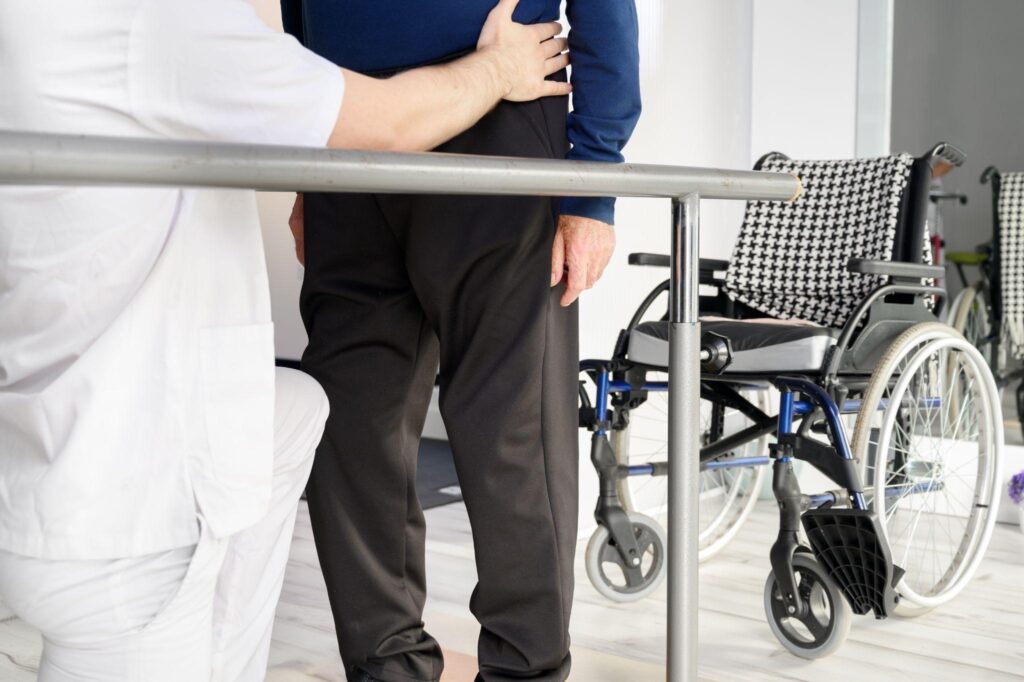
Once a stroke happens, one question is always: will it happen again? At first, most of the focus is on rehab, from walking and speech to small daily improvements.
This is one of the reasons why stem cell therapy after stroke is so popular. One of the main questions that people ask about stem cell therapy for stroke patients is whether the damaged brain tissue can be repaired.
The main issue is that most studies are examining recovery and function rather than a decrease in risk of second stroke with stem cell therapy.
What Causes a Second Stroke After the First One?
Typically the same cause as the initial one. High blood pressure. Atrial fibrillation. Diabetes. Smoking. High cholesterol. Narrowed arteries. It’s rarely a mystery once doctors go looking.
Much time gets spent tracking down the cause after a stroke. Once you know, you can actually build a plan around it. Medication, lifestyle changes, and treatment of the underlying cause.
How Could Stem Cell Therapy Affect the Brain After a Stroke?
The current research leans almost entirely toward repair. Could stem cells, or what they release into surrounding tissue, protect cells that survived the stroke? Calm down inflammation? Help the brain form new connections where old ones were lost? These are the questions researchers are chasing.
You’ll find clinics such as Swiss Medica or clinics offering stem cell treatment for stroke patients. None of that is a substitute for a real visit with a physician who knows your medical history, medications, other diseases, and the underlying cause of your stroke. A website can’t account for any of that.
Does Stem Cell Therapy Lower the Risk of a Second Stroke?
Not according to the evidence we currently have. All the studies involving stroke patients and stem cells were concerned with the same issue: did the motion or function improve, or did the patient have another stroke later on? That is a significant gap.
Recovering better doesn’t mean the underlying vascular problem got fixed. To actually show a preventive effect, researchers would need to follow people for years and track recurrence specifically, which mostly isn’t happening yet.
For now, stem cells and stroke recovery are two conversations, and prevention of a second stroke is another. They’re included in larger groups than they should be.
Why Can’t We Yet Say That Stem Cell Therapy Prevents a Second Stroke?
There is not sufficient evidence yet. The cell types, doses, routes, and follow-up windows vary from trial to trial. Patients are also as diverse as the diagnoses.
A quick survey of stroke research shows some progress, but wide variation in findings makes it hard to make general statements. Larger sample sizes, more consistent study designs, and longer follow-up time are still recommended because recurrence isn’t measured yet.
What Actually Has the Strongest Evidence for Preventing a Second Stroke?

This part, at least, isn’t murky. The answer to secondary prevention is to treat the cause of the first stroke, which is typically:
- keeping blood pressure and cholesterol in check
- taking antiplatelet or anticoagulant medication exactly as prescribed
- managing diabetes or atrial fibrillation
- quitting smoking – for good
- staying active
- eating heart-healthy
- not skipping follow-up appointments
None of this is new or flashy. The American Heart Association’s guidance leans on it heavily, and it’s stuck around this long for a reason: it’s been tested, and it holds up.
Could Stem Cell Therapy Become Part of Secondary Stroke Prevention in the Future?
Possibly – but not yet, based on current research. It would take many years, and trials designed to capture recurrence over time would need to compare treated vs. untreated groups. Scientists also would have to determine if there is any actual benefit from stem cell therapy after stroke due to changes in inflammation, vascular health, or another stroke risk factor.
And safety can’t take a back seat, especially with patients who already have complicated heart or vascular histories. Right now, it’s still an emerging piece of regenerative medicine. Not a prevention strategy anyone can rely on yet.
In Conclusion
Research on stem cells and stroke recovery keeps advancing, and some of it is worth watching. However, at this point, there is no evidence to support the notion that stem-cell therapy reduces the risk of a second stroke. These are two separate stories, but it’s very easy to mix them together. What has been proven and has stood the test of time for stroke prevention are tried-and-true strategies.
Have you or someone close to you gone through stroke rehab or looked into regenerative treatment as an option? Tell us about it; share your experience or questions with the author. Stories like that add something the research alone can’t.