
Introduction
Good circulation is one of those aspects of health that often goes unnoticed when everything is working well. People tend to think about fitness in terms of strength, endurance, weight, or flexibility, while circulation quietly supports nearly every part of the body. Blood carries oxygen and nutrients to tissues, transports waste products away from cells, and helps maintain the conditions the body needs to function properly.
The good news is that supporting healthy circulation does not necessarily require complicated routines or expensive wellness programs. Many of the habits that benefit circulation are remarkably ordinary. Walking regularly, avoiding long periods of inactivity, eating a balanced diet, staying hydrated, maintaining a healthy weight, and paying attention to changes in the legs can all contribute to long-term vascular wellness. For people noticing persistent vein-related symptoms, personalized vein treatment for patients in Sugar Land can provide an appropriate starting point for understanding available professional care.
These habits are especially relevant as modern lifestyles become increasingly sedentary. Desk jobs, long commutes, extended screen time, and frequent travel can all reduce opportunities for natural movement. Building simple circulation-friendly habits into everyday life can therefore be a practical part of maintaining overall wellness.
Why Circulation Matters to Everyday Health
The circulatory system is responsible for transporting blood throughout the body. The heart pumps blood through arteries, delivering oxygen and nutrients to tissues, while veins return blood toward the heart.
The lower legs have a particularly challenging job because venous blood has to travel upward against gravity. Movement helps this process. When the muscles in the feet, ankles, and calves contract during activities such as walking, they assist the movement of blood through the veins.
This is sometimes described as the leg muscle pump. It is one reason regular movement matters even for people who are not interested in traditional exercise.
Healthy circulation is not simply about preventing a particular condition. It is part of supporting mobility, physical activity, and general quality of life.
Make Walking Part of the Day
Walking is one of the simplest ways to encourage regular movement. It does not require specialized equipment, a gym membership, or advanced fitness skills, making it accessible to many people.
A daily walk can be incorporated into existing routines rather than treated as a separate workout. Walking after a meal, taking a short break during the workday, choosing stairs when appropriate, or walking while having a phone conversation can add more movement without dramatically changing a schedule.
Consistency matters more than intensity for many everyday wellness goals. Someone who moves regularly throughout the day may find it easier to maintain the habit than someone who attempts an extremely demanding workout only occasionally.
People who have existing medical conditions or significant leg discomfort should choose activities appropriate for their circumstances and seek professional advice when necessary.
Break Up Long Periods of Sitting
Modern work has created a circulation challenge that previous generations may not have faced to the same extent. Many people now spend hours sitting at desks, in meetings, behind a steering wheel, or in front of screens.
Remaining in one position for extended periods reduces leg movement. Even if someone exercises regularly, spending most of the remaining day inactive can make it worthwhile to introduce more frequent movement breaks.
Getting up periodically, walking around the room, moving the ankles, or performing gentle stretches can help interrupt long periods of inactivity. The objective is not to turn every workday into an exercise session. Instead, it is about giving the body regular opportunities to move.
The same principle applies during travel. On long journeys, taking appropriate opportunities to stand, walk, and change position can make the experience more comfortable.
Pay Attention to Foot and Leg Comfort
Healthy circulation and mobility are closely connected. When someone's feet or legs hurt, they may naturally walk less. Over time, that reduction in activity can affect strength, conditioning, and daily movement.
Footwear is therefore worth considering. Shoes that fit properly and provide appropriate support can make walking and standing more comfortable. The right choice depends on the individual, their activities, and any existing foot conditions.
Persistent discomfort should not simply be accepted as an unavoidable part of getting older. Recurring aching, heaviness, swelling, itching, or visible changes in the veins can have different causes and may warrant professional evaluation.
Support Circulation Through a Balanced Diet
Food choices also contribute to cardiovascular and circulatory wellness. Rather than focusing on a single “superfood” or supplement, it is generally more useful to develop an overall balanced eating pattern.
Vegetables, fruits, whole grains, lean proteins, nuts, seeds, and sources of healthy fats can all fit into a varied diet. Limiting excessive amounts of highly processed foods, added sugars, and unhealthy fats may also support broader cardiovascular health.
Nutrition needs differ between individuals. Age, activity level, medical conditions, medications, and other factors can influence dietary requirements. When someone has a specific health concern, individualized guidance from a qualified healthcare professional is preferable to relying on generalized internet advice.
Stay Adequately Hydrated
Hydration is another basic habit that is easy to overlook.
Water is involved in many of the body's normal processes, including circulation and temperature regulation. People can become more prone to dehydration during hot weather, exercise, illness, or periods when they simply forget to drink regularly.
There is no single amount of water that is appropriate for everyone. Needs vary according to body size, activity, climate, diet, and health status. Paying attention to thirst and following appropriate medical advice can help maintain adequate hydration.
For most people, making water a regular part of the day is a simple habit that supports general wellness without requiring complicated planning.
Maintain a Healthy Level of Physical Activity
Exercise can provide benefits beyond circulation. Regular physical activity can help maintain muscle strength, cardiovascular fitness, flexibility, and functional mobility.
Different forms of exercise serve different purposes. Walking may be convenient for daily movement, while resistance training can help maintain muscle. Swimming and cycling can provide cardiovascular activity while placing different demands on the joints.
The most effective routine is often one that a person can actually maintain. Someone who dislikes running does not need to force themselves into a running program to be active. Finding enjoyable activities can make consistency much easier.
Anyone with persistent pain, swelling, or another unexplained symptom should consider whether professional guidance is appropriate before significantly changing their exercise routine.
Maintain a Healthy Weight When Appropriate
Body weight can influence mobility and the physical demands placed on the lower extremities. Maintaining a healthy weight, when appropriate for an individual, can support comfortable movement and make physical activity easier.
This does not mean that weight should become the sole focus of wellness. Health is influenced by many factors, including fitness, nutrition, sleep, stress, genetics, and access to healthcare.
A sustainable approach is generally more useful than aggressive short-term dieting. Gradual improvements in eating patterns and physical activity can become lasting habits rather than temporary restrictions.
Avoid Ignoring Persistent Vein Symptoms
One of the most important circulation habits is not a lifestyle change at all. It is learning to recognize when professional evaluation may be appropriate.
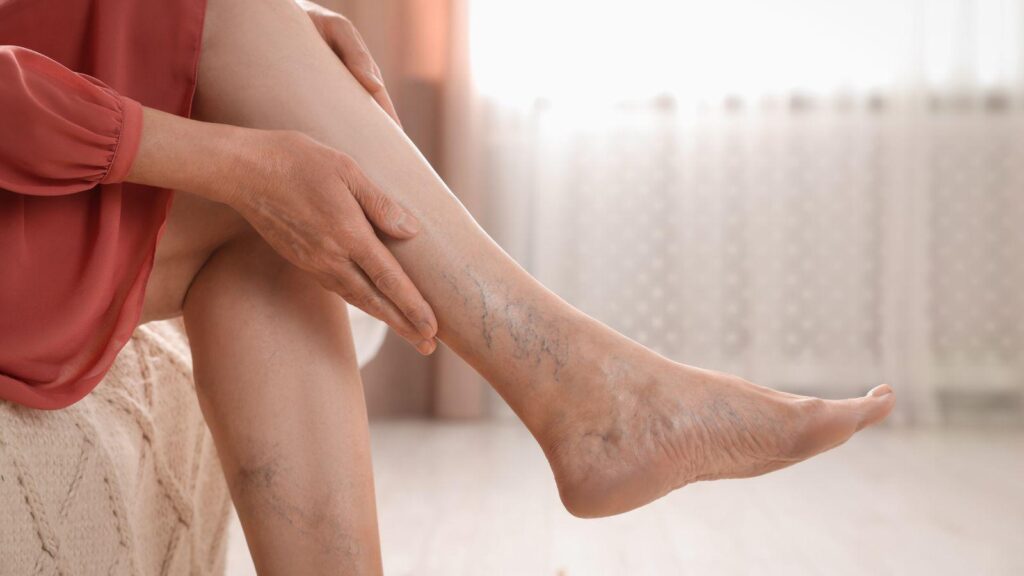
Varicose veins are enlarged and twisted veins that commonly appear in the legs. Some people experience no symptoms beyond their appearance, while others may notice aching, heaviness, swelling, itching, or discomfort.
These symptoms can have several possible explanations, so self-diagnosis is not always reliable. A qualified healthcare professional can assess the legs, discuss symptoms, and determine whether further evaluation or treatment may be appropriate.
Sudden or severe leg swelling or pain should receive prompt medical attention, particularly when symptoms develop unexpectedly or affect one leg.
Taking symptoms seriously does not mean assuming the worst. It simply means giving the body appropriate attention.
Sleep and Stress Are Part of the Bigger Picture
Circulatory wellness cannot be separated completely from the rest of a person's lifestyle.
Sleep plays an important role in general physical health, while chronic stress can affect energy, eating behavior, exercise habits, and other aspects of daily life. Someone who is consistently exhausted may find it much harder to remain physically active or maintain balanced routines.
This is why a sustainable wellness strategy needs to be realistic. There is little value in creating an elaborate routine that becomes impossible to maintain.
Small habits often have greater staying power. Going for a short walk, taking movement breaks, preparing balanced meals, getting sufficient rest, and paying attention to symptoms can gradually become part of a normal lifestyle.
Make Circulation a Lifelong Habit
The most useful approach to circulation is not to think about it as a temporary health project. Instead, it can become part of everyday self-care.
A person can start by noticing how much time they spend sitting or standing without moving. They can look for opportunities to walk more, choose comfortable footwear, stay adequately hydrated, and maintain a balanced diet. They can also pay attention to changes in their legs rather than automatically dismissing them.
These actions may seem modest, but their value comes from repetition. Health is often shaped by what people do consistently rather than what they do occasionally.
Conclusion
Healthy circulation is an important but frequently overlooked part of long-term wellness. It supports the body's ability to deliver oxygen and nutrients, helps maintain normal tissue function, and plays an important role in comfortable movement.
The habits that support circulation are often surprisingly simple. Regular walking, frequent movement breaks, balanced nutrition, adequate hydration, appropriate physical activity, sufficient sleep, and attention to persistent symptoms can all contribute to a healthier lifestyle.
Most importantly, people should not ignore ongoing changes in their legs simply because those symptoms seem common. Varicose veins, swelling, aching, heaviness, or other persistent concerns deserve appropriate attention and, when necessary, professional evaluation.
Supporting circulation for life is ultimately less about finding one perfect solution and more about creating a lifestyle that keeps the body moving and encourages people to listen when it asks for attention.