
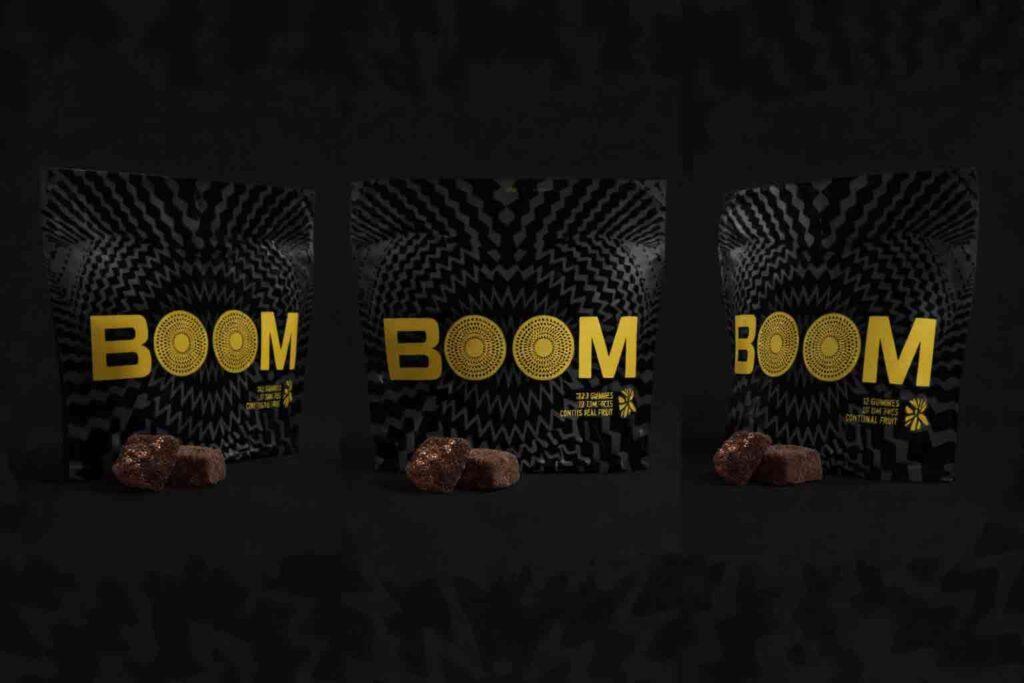
Mushroom-based gummies have developed from a relatively specialized idea into a broader category of modern confectionery and functional-food products. Their familiar shape and chewy texture make them different from traditional mushroom preparations, while advances in food formulation have made it possible to combine mushroom-derived ingredients with fruit flavors, sweeteners, botanical extracts, and other components.
The word “mushroom” can describe very different ingredients, however. Some gummies contain functional mushrooms such as lion’s mane, reishi, cordyceps, or turkey tail. Other products use terminology associated with psychoactive mushrooms. These categories have different characteristics and should not be treated as interchangeable.
Looking at how mushroom gummies have evolved provides useful context for understanding their ingredients, formats, terminology, and labels.
From Traditional Mushrooms to Modern Confectionery
Mushrooms have long been used as foods and ingredients in different cultures. Traditionally, they appeared in forms such as fresh mushrooms, dried pieces, powders, teas, and extracts.
The gummy format represents a much newer approach to incorporating mushroom-derived materials.
Instead of presenting mushroom ingredients in their original form, manufacturers can incorporate powders or extracts into a structured confectionery base. Fruit flavors and sweeteners can then create a more familiar sensory profile.
This transition reflects a wider movement toward convenient food formats containing specialized ingredients.
The Rise of Functional Mushroom Formulations
One significant development has been the growing interest in mushrooms used in functional-food products.
Lion’s mane, reishi, cordyceps, and turkey tail are among the species frequently discussed in this category.
Each mushroom has a different composition and history of use. As a result, modern products increasingly identify individual species instead of relying exclusively on the general term “mushroom.”
This change has also made labels more important. Knowing the exact species can provide substantially more information than simply seeing “mushroom blend” printed on a package.
Why Gummies Became an Important Format
Gummies already have an established place in the food and supplement markets.
Their soft texture, small portions, and wide range of possible shapes make them adaptable to different formulations. They can also accommodate fruit flavors that help balance earthy or bitter notes associated with some mushroom ingredients.
A typical gummy formulation can contain:
- Mushroom powder or extract
- Sugar or alternative sweeteners
- Gelatin or pectin
- Food acids
- Fruit flavors
- Colors
- Stabilizers
- Other functional ingredients
The mushroom component is therefore only one part of the finished product.
Improvements in Mushroom Ingredient Processing
The evolution of mushroom gummies has also been influenced by changes in ingredient processing.
Mushrooms can be dried and milled into powders or processed into extracts.
Powder retains physical mushroom material and can affect the texture and flavor of a gummy. Extracts undergo additional processing and may have different characteristics.
This distinction has become increasingly important as manufacturers develop more specialized formulations.
A product containing mushroom powder is not necessarily equivalent to one containing an extract from the same species.
The Shift Toward Multi-Mushroom Blends
Early specialty products often focused on individual ingredients. Modern formulations may combine several mushroom species.
A blend can include multiple functional mushrooms in one product, creating a more complex ingredient profile.
However, the term “blend” can sometimes make it difficult to determine the relative contribution of each mushroom.
For this reason, detailed ingredient declarations are valuable. They allow readers to distinguish between a single-species product and a multi-mushroom formulation.
Flavor Innovation Changed the Category
Mushrooms naturally have flavor characteristics that are not always associated with confectionery.
Depending on the species and preparation, they can have earthy, woody, roasted, or bitter notes.
Gummy manufacturers can create a different sensory experience by combining mushroom ingredients with fruit flavors, sweeteners, and acids.
Berry, citrus, tropical fruit, apple, and grape profiles are examples of flavor directions that can be used in gummy confectionery.
The result is a product that can have very little resemblance to the original mushroom ingredient in terms of texture and taste.
From Simple Shapes to Specialized Formats
Gummy manufacturing allows considerable flexibility in product design.
Traditional gummies may appear as small geometric pieces, while specialty products can use distinctive shapes, colors, or sizes.
The physical appearance does not necessarily indicate the mushroom species or ingredient concentration.
Two gummies with completely different shapes can contain similar ingredients, while two visually identical products can have entirely different formulations.
This is why appearance is less useful than the ingredient panel when comparing products.
Understanding the Term “Magic Mushies”
The evolution of mushroom gummies has also produced a wide range of informal terminology.
For example, Magic mushies gummies is a phrase that can appear in discussions surrounding mushroom-related products. However, informal terms such as “magic,” “mushies,” or “shroom” do not provide a precise technical description.
Depending on the context, such language may refer to conventional mushroom products or products associated with psychoactive mushroom compounds.
The distinction matters because psychoactive mushroom products can involve different legal and safety considerations.
The actual ingredient information is therefore more meaningful than informal naming alone.
Functional and Psychoactive Categories Should Be Distinguished
One of the most important developments in the mushroom-gummy market is the separation of different product categories.
Functional mushroom gummies may contain species such as lion’s mane or reishi and are generally positioned within specialty-food or wellness markets.
Products associated with psychoactive mushroom compounds belong to a different category.
Psychoactive compounds can affect perception, cognition, mood, and sensory experiences. Their legal status varies between jurisdictions.
For this reason, the broad phrase “mushroom gummy” does not provide enough information to determine what type of product is being discussed.
The Increasing Importance of Product Labels
As formulations became more complex, labeling became increasingly important.
Modern product labels can identify mushroom species, ingredient forms, supporting ingredients, allergens, serving information, storage instructions, and warnings.
A careful label review can begin with the mushroom ingredient.
Is it a powder? An extract? A blend?
Next, readers can examine the remaining formulation. Gelatin, pectin, sweeteners, food acids, flavors, and colors all contribute to the final product.
This information provides a clearer picture than marketing terminology alone.
The Role of Brand Identity
Branding has also become an important part of the evolution of specialty mushroom products.
A brand can develop a recognizable product range, naming system, packaging style, and flavor lineup.
For example, boom bar brand may be encountered when researching a particular commercial identity within the mushroom-confectionery space.
However, brand identity should remain separate from technical product information. A single brand can produce multiple products with different ingredients and formulations.
The individual product label remains the more useful source when identifying composition.
Advances in Gummy Texture
Modern gummy manufacturing provides greater control over texture than early confectionery approaches.
Manufacturers can adjust the balance of gelling agents, moisture, sweeteners, and acids to create softer, firmer, or more elastic products.
Gelatin and pectin are two common structural ingredients, although other texturizing systems can also be used.
Mushroom powders and extracts introduce additional formulation variables because they can influence texture and ingredient distribution.
Maintaining a consistent gummy structure therefore requires careful control of the entire recipe.
Growing Interest in Plant-Based Formulations
Another development within the broader gummy category is the use of plant-based alternatives.
Pectin can be used instead of gelatin in some formulations, allowing manufacturers to create gummies suitable for consumers avoiding animal-derived ingredients.
Alternative sweeteners and plant-based flavor systems can also change the composition of a product.
These developments demonstrate that mushroom gummies are not one fixed type of food. They can be formulated around different dietary preferences and ingredient requirements.
Transparency and Ingredient Awareness
As products become more sophisticated, transparency becomes increasingly important.
A modern mushroom gummy may contain several mushroom species, extracts, vitamins, minerals, botanicals, sweeteners, and flavoring ingredients.
Without a detailed label, it can be difficult to understand how these components fit together.
Ingredient awareness also helps separate scientific evidence from marketing language. Research involving a particular mushroom does not automatically establish that every gummy containing that mushroom has the same characteristics.
The exact ingredient and preparation matter.
What the Future May Look Like
The mushroom gummy category is likely to continue evolving through changes in formulation, flavor, texture, and ingredient combinations.
Future products may use more specialized mushroom extracts, new plant-based gummy structures, alternative sweeteners, and increasingly detailed labeling.
At the same time, consumers may place greater emphasis on knowing exactly which mushroom species and ingredient forms are present.
This could encourage clearer distinctions between functional mushroom foods, ordinary confectionery, and products associated with psychoactive compounds.
Frequently Asked Questions
What are mushroom-based gummies?
They are gummy confectionery products containing mushroom-derived ingredients such as powders, extracts, or blends.
Which mushrooms are commonly used?
Lion’s mane, reishi, cordyceps, and turkey tail are frequently associated with functional mushroom products.
Are mushroom powder and extract the same?
No. Powder and extract are different forms of mushroom-derived ingredients.
Why are fruit flavors common in mushroom gummies?
Fruit flavors can complement or balance the earthy and bitter characteristics of some mushroom ingredients.
Are all mushroom gummies functional products?
No. Mushroom gummies cover several categories, including products associated with functional mushrooms and, separately, products associated with psychoactive mushroom compounds.
What does “Magic mushies gummies” mean?
It is informal terminology rather than a precise scientific classification. The actual ingredients should be checked to determine what type of product is being described.
Why are labels important?
Labels can identify mushroom species, ingredient forms, supporting ingredients, allergens, serving information, and storage requirements.
Can mushroom gummies be plant-based?
Yes. Some formulations use pectin or other plant-derived gelling agents instead of gelatin.
Conclusion
The evolution of mushroom-based gummy products reflects broader changes in food formulation and consumer interest in specialized ingredients. Mushrooms that were traditionally consumed as whole foods or prepared extracts can now appear in modern confectionery formats with carefully developed textures, flavors, and ingredient combinations.
Functional mushrooms such as lion’s mane, reishi, cordyceps, and turkey tail have helped expand the category, while new terminology has created additional distinctions between different types of mushroom products.
For anyone exploring this category, the most useful approach is to look beyond the product name. Identifying the mushroom species, determining whether it is a powder or extract, examining supporting ingredients, and understanding the terminology on the label provides a much clearer picture of how modern mushroom gummies have developed.