
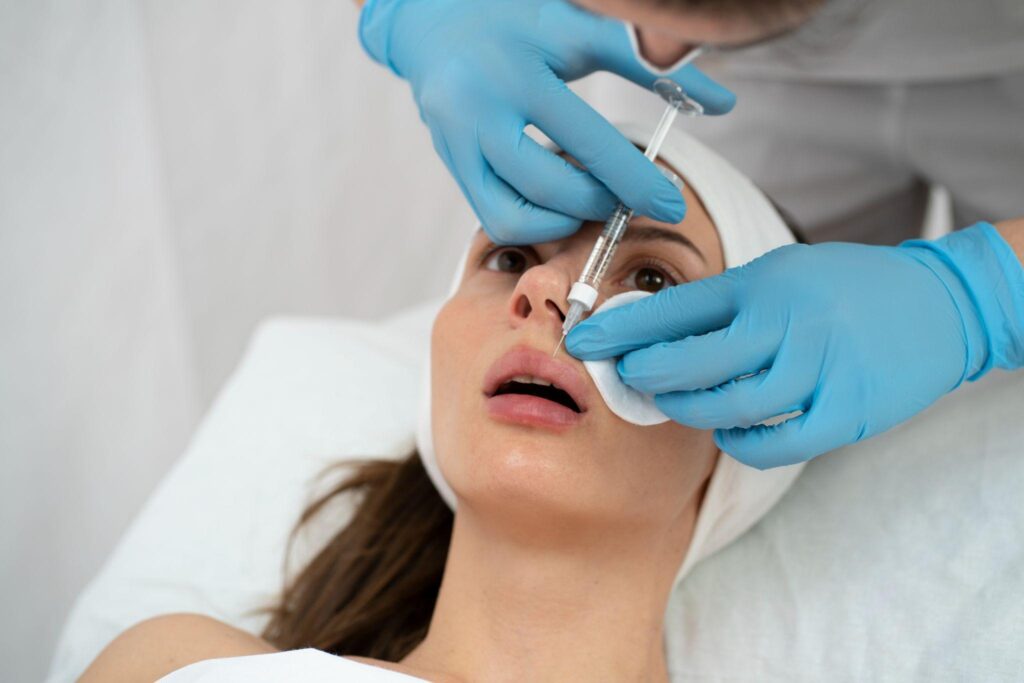
Aesthetic medicine has become an increasingly popular specialty for healthcare professionals seeking to expand their clinical skills and provide cosmetic treatments that enhance patient confidence and well-being. Injector Training Academy, a leading provider of hands-on aesthetic education for medical professionals, helps aspiring injectors understand the knowledge, techniques, and safety principles required to build a strong foundation in cosmetic medicine.
For registered nurses, nurse practitioners, physician assistants, and physicians, entering aesthetics can be an exciting professional opportunity. However, becoming a skilled aesthetic provider involves much more than learning how to perform injections. It requires a detailed understanding of facial anatomy, treatment planning, patient communication, and responsible clinical decision-making.
The transition into aesthetic medicine should be viewed as a professional specialization rather than a quick career change. Healthcare professionals already bring valuable experience in patient care, but cosmetic injecting requires additional education and practical training to achieve safe and predictable outcomes.
Millions of minimally invasive cosmetic procedures are performed each year in the United States, with injectable treatments such as neuromodulators and dermal fillers remaining among the most requested options. This growing demand has created more opportunities for qualified healthcare providers to enter the field and has highlighted the importance of proper injector education.
Why Healthcare Experience Is a Strong Foundation for Aesthetic Medicine
Healthcare professionals often have transferable skills that provide an advantage when entering aesthetics. Their existing clinical background helps them understand patient concerns, medical histories, and treatment considerations.
Skills that support a transition into aesthetic medicine include:
- Patient assessment and consultation experience
- Knowledge of medical terminology and clinical procedures
- Understanding of infection control and safety practices
- Ability to communicate treatment expectations clearly
- Experience building trust with patients
However, traditional healthcare experience alone does not prepare someone to perform cosmetic injections. Aesthetic procedures require specialized knowledge of facial proportions, muscle movement, skin aging patterns, and product selection.
For example, a nurse may have years of experience administering medications safely, but injecting Botox or dermal fillers requires a different approach. Cosmetic injections involve analyzing facial structure, understanding aesthetic balance, and making decisions based on each patient’s individual goals.
The Importance of Specialized Injector Training
Many healthcare professionals interested in aesthetics begin by researching how to become an aesthetic injector. The process typically involves combining existing medical credentials with specialized education focused on cosmetic procedures.
Proper injector training helps providers develop confidence in areas such as:
- Facial anatomy and injection techniques
- Botox and dermal filler applications
- Patient consultation methods
- Treatment planning strategies
- Managing potential complications
- Ethical approaches to aesthetic care
Hands-on experience is especially important because aesthetic medicine involves both technical skill and artistic judgment. Understanding where and how to inject is only one part of the process. A qualified injector must also understand how different treatments affect facial harmony and patient expectations.
Research published in medical literature has emphasized the importance of anatomy education and complication awareness in injectable procedures. A strong educational foundation allows providers to recognize risks, make informed decisions, and prioritize patient safety.
How much does injector training cost?
The cost of injector training varies depending on the course format, training provider, location, and level of education offered. Basic introductory courses may have different pricing structures compared with advanced hands-on programs that include extensive practical experience.
Healthcare professionals should consider training as an investment in long-term clinical development rather than simply looking for the lowest-cost option.
Factors that can influence injector training costs include:
- Number of training hours included
- Hands-on practice opportunities
- Instructor experience and qualifications
- Types of treatments covered
- Educational materials and ongoing support
While cost is an important consideration, quality training should also be evaluated based on the depth of education provided. Programs that focus on anatomy, patient safety, and supervised practice can help new injectors develop skills that support better patient outcomes.
How long does it take to become a certified injector?
The timeline to become a certified injector depends on a professional’s current healthcare background and the type of training program selected. Since many aesthetic injectors begin as licensed healthcare providers, the process may focus primarily on gaining specialized cosmetic skills rather than completing an entirely new healthcare career path.
Some professionals may complete foundational injector training within a few days through intensive courses, while developing advanced confidence and experience can take months or years of continued practice and education.
Becoming a competent aesthetic injector involves several stages:
- Completing specialized aesthetic education
- Practicing injection techniques under proper supervision
- Learning facial anatomy and treatment planning
- Gaining experience with different patient needs
- Continuing education to improve skills
Certification or course completion alone does not replace experience. Like many areas of healthcare, confidence develops through continued learning, mentorship, and responsible clinical practice.
How to become a certified aesthetic injector?
For healthcare professionals wondering how to become a certified aesthetic injector, the pathway generally begins with maintaining an active medical license and gaining specialized aesthetic training.
A typical process includes:
1. Maintain healthcare credentials
Most aesthetic injectors come from medical backgrounds such as nursing, advanced practice nursing, physician assistant roles, or medicine. These credentials provide the clinical foundation needed to safely work with patients.
2. Complete aesthetic injector training
Aesthetic education should cover both theory and practical application. Training should include topics such as facial anatomy, injection techniques, product knowledge, and patient assessment.
Organizations focused on aesthetic education provide opportunities designed to help healthcare professionals strengthen their skills and knowledge in aesthetic medicine.
3. Gain hands-on experience
Practical training allows providers to apply concepts in real situations. Working with experienced instructors and practicing techniques helps new injectors improve precision and confidence.
4. Continue developing professionally
Aesthetic medicine continues to evolve as new products, techniques, and treatment approaches become available. Successful injectors commit to lifelong learning and staying current with industry standards.
How long does it take to become an aesthetic nurse injector?
For registered nurses interested in becoming aesthetic nurse injectors, the timeline depends on previous experience, training opportunities, and individual career goals.
An experienced nurse may already have strong patient care skills, but aesthetic nursing requires additional education in cosmetic procedures. Many nurses begin with foundational injector courses before advancing into more specialized training.
The journey often includes:
- Reviewing facial anatomy and aesthetic principles
- Completing Botox and dermal filler education
- Practicing consultation and injection techniques
- Developing treatment planning skills
- Building experience with supervised procedures
Aesthetic nursing is not only about performing treatments. Successful injectors also need strong communication skills because patients often seek guidance about appearance, expectations, and long-term treatment plans.
Patient Safety and Ethics Should Remain the Priority
As aesthetic medicine grows, patient trust has become one of the most important factors in building a successful practice. Healthcare professionals entering this field should focus on providing responsible care rather than simply increasing the number of procedures performed.
Important safety considerations include:
- Conducting thorough patient consultations
- Reviewing medical history before treatment
- Setting realistic expectations
- Understanding possible risks and complications
- Following proper injection and sanitation protocols
A trusted aesthetic provider combines technical skill with compassion, honesty, and careful decision-making.
Practical Steps for Healthcare Professionals Entering Aesthetic Medicine
Healthcare providers preparing for this transition can take several practical steps:
- Research reputable injector training programs
- Choose education that includes hands-on experience
- Study facial anatomy beyond basic medical knowledge
- Seek mentorship from experienced injectors
- Practice communication skills for aesthetic consultations
- Continue learning after completing initial training
The most successful aesthetic professionals understand that expertise is built over time through education, experience, and dedication to patient care.
Conclusion
Entering aesthetic medicine offers healthcare professionals the opportunity to apply their clinical experience in a growing specialty. However, becoming a trusted aesthetic injector requires more than learning injection techniques. It requires a commitment to education, safety, anatomy knowledge, and understanding each patient’s individual goals.
The path into aesthetics is not defined only by completing a course or earning a certificate. It is defined by the willingness to continue learning and improving with every patient interaction. For healthcare professionals considering this career transition, the most important question may not be how quickly they can enter the field, but how prepared they can become to provide care that patients can trust.